There is no single answer that fits every situation, which is probably why this question comes up so often. An adult diaper may last a few hours in one case and most of a night in another. The real limit depends on absorbency, how much fluid is being passed, body position, activity level, and skin sensitivity. In other words, the clock matters, but not as much as the diaper’s condition.
A product that still feels “fine” may already be holding too much moisture. That is where many people get caught out. Waiting until a diaper leaks is usually waiting too long.
The short answer: it depends, but not forever
For light daytime use, an adult diaper may last several hours if wetness is minimal. For heavier needs, the change window can be much shorter. Overnight products are designed for longer wear, but even those should not be treated as unlimited.
A practical rule is simple: change based on wetness, odor, sagging, or discomfort rather than trying to reach a fixed number every time. Some people need changes every 2 to 4 hours during the day, while others can go longer with a high-absorbency product. Overnight may stretch farther, though that varies more than many expect.
What affects wear time the most
Absorbency level
This is the obvious one, but it is worth saying anyway. A light absorbency product will not hold as much as a heavy-duty one, even if both look similar from the outside. More absorbency usually means more usable time, though fit still matters just as much.
Urine output and hydration
A person who drinks more fluids, takes diuretics, or naturally produces more urine will need changes sooner. On the other hand, someone with very light output may get more wear time from the same product. Real use tends to be less predictable than product packaging suggests.
Mobility and body position
Sitting for long periods, lying down, or moving frequently can change how liquid spreads inside the diaper. Sometimes a diaper that works fine while standing starts leaking when sitting in a chair or sleeping on one side. That is a common complaint in caregiver discussions, and it makes sense once the product is in motion.
Skin sensitivity and heat
Long wear time is not only about leaks. Moisture trapped against skin can lead to redness, itching, or irritation. Warm weather can make that worse. Even when the diaper is technically absorbing enough, skin health may still call for a change sooner.
A practical guide to changing frequency
A simple way to think about it:
- Light daytime use: check every few hours
- Moderate incontinence: change before the diaper feels heavy or swollen
- Heavy use or overnight: use a high-absorbency product and inspect fit carefully
- After bowel movement: change as soon as possible
- If odor or wetness appears: do not wait
That last point is easy to ignore, especially when life gets busy, but it usually saves trouble later.
How long different types tend to last
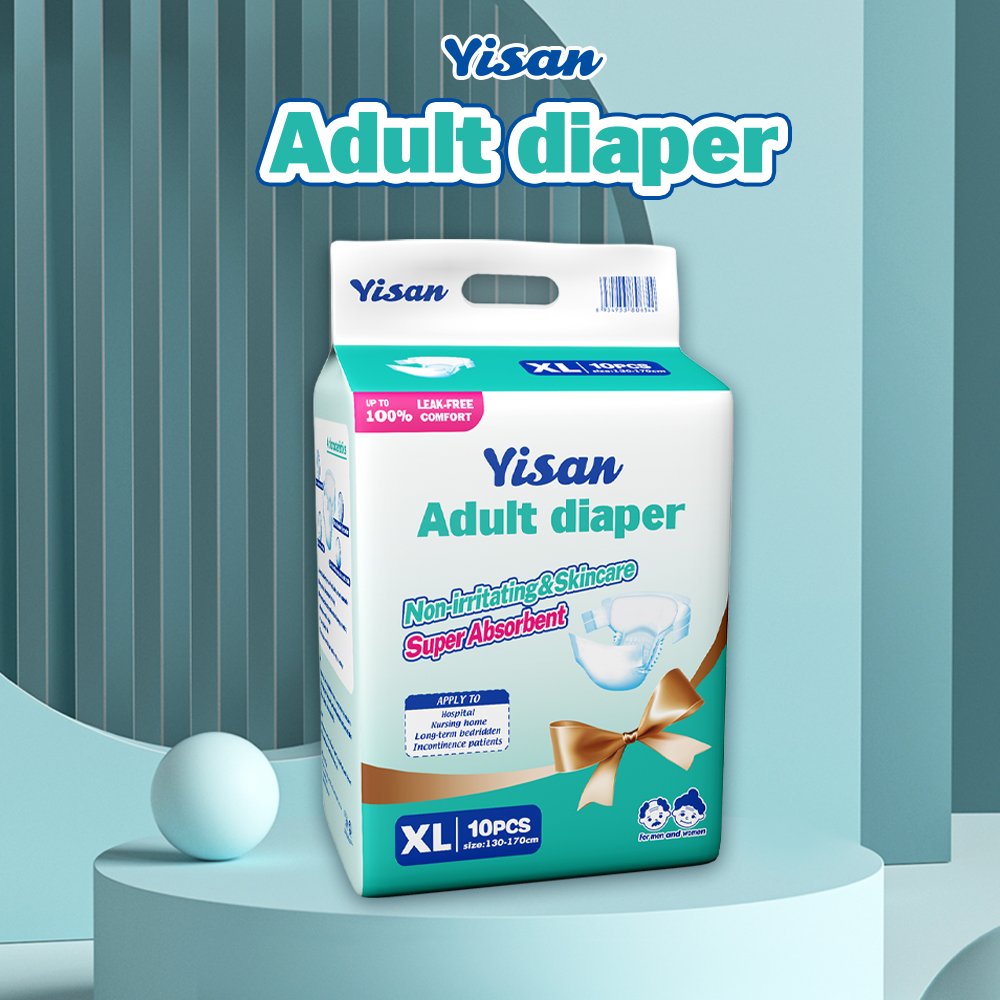
Tape-style products
Tape-style products are often chosen for stronger containment and adjustable fit. They can be useful when a more secure seal is needed, especially overnight or for heavier leakage. Because the tabs allow better adjustment, they sometimes handle longer wear a bit more reliably.
Pull-on styles
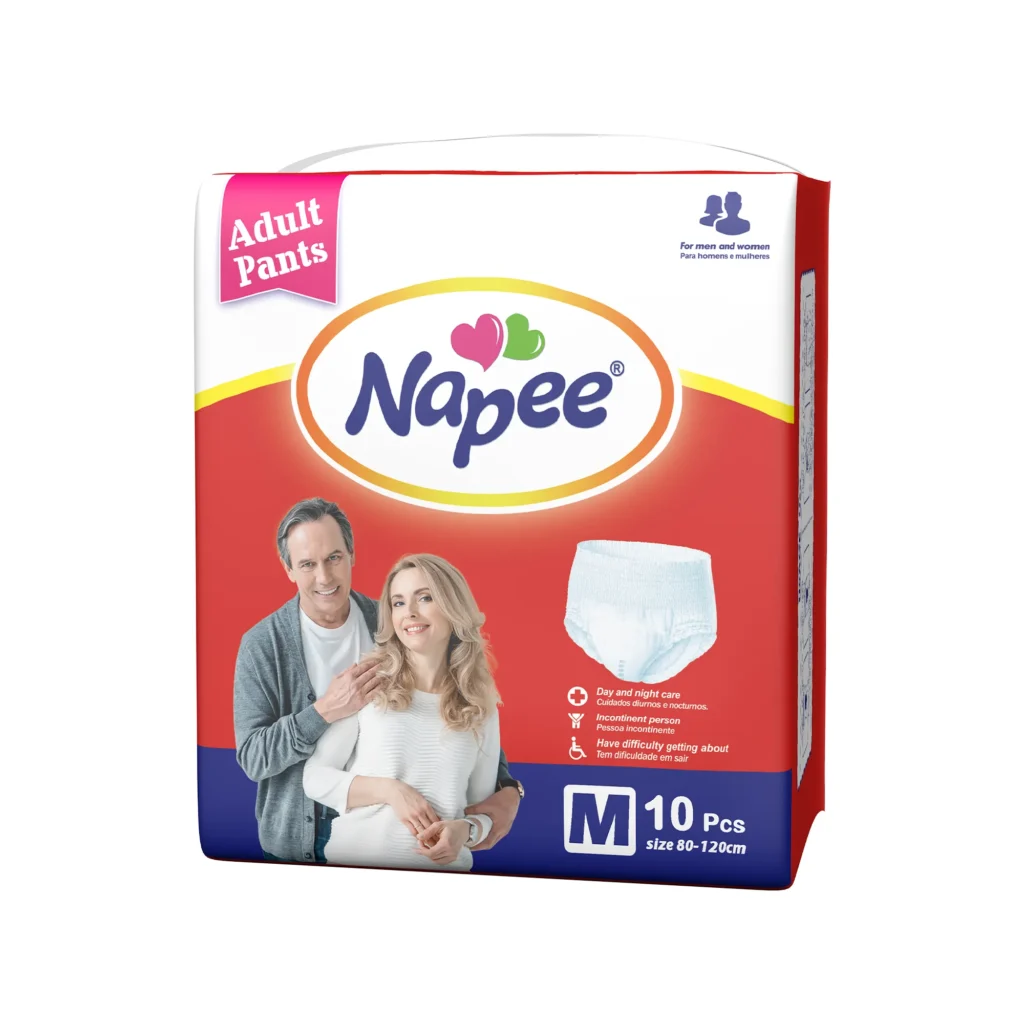
For people who want a more underwear-like feel, adult pull up pants are a common choice. They are usually comfortable and discreet, though they may need to be changed sooner than bulkier overnight products if output is higher.
Extra support with bed protection
Sometimes the diaper is not the only layer that matters. adult under pads can help protect bedding and reduce stress during nighttime use. They do not replace a diaper, of course, but they can be useful when longer wear times are being tested or when leaks are more likely.
Quick comparison table
| Use case | Typical wear window | What to watch for | Best practice |
|---|---|---|---|
| Light daytime protection | 3–6 hours | Dampness, odor, loose fit | Change before heavy wetness |
| Moderate bladder leakage | 2–5 hours | Sagging, warmth, side leaks | Check more often |
| Overnight use | 6–10 hours for some products | Leaks on sides, morning dampness | Use higher absorbency |
| Travel or long outings | Varies | Discomfort, pressure marks | Bring extras and backup supplies |
| Limited mobility | Often shorter | Skin moisture, bunching | Inspect skin and fit carefully |
The numbers above are only guides. Real wear time can be shorter, especially if the fit is not quite right.
Signs it is time to change sooner
Some signs are very obvious; others are a little subtle.
- The diaper feels heavy or swollen
- Odor starts to appear
- The waistband slips or sags
- There are wet patches near the edges
- Red marks or soreness begin to show
- The diaper sounds or feels crinkly in an uncomfortable way
If the product seems close to leaking, it usually already is. That is one of those annoyingly true things.
Common mistakes people make
A few patterns show up again and again:
- Waiting for a leak instead of checking early
- Using a daytime diaper for overnight wear
- Choosing size over absorbency, or absorbency over fit
- Ignoring skin irritation because the diaper “still works”
- Assuming thicker always means better
Thickness can help, but it is not magic. A poor fit can still fail quickly, even with a highly absorbent product.
Where to find the right products
If the goal is to compare options and choose the right adult diaper for daily use, it helps to think in terms of routine first: daytime, overnight, active movement, or caregiver support. The best product is usually the one that matches the actual day, not the ideal one.
FAQ
Can an adult diaper be worn for a full work shift?
Sometimes, yes, but only if absorbency, output level, and fit all line up well. For many people, checking at least once during the shift is a safer habit.
Is it okay to reuse an adult diaper if it is only lightly wet?
No. Even light wetness can affect skin comfort and hygiene, and the product may not perform as expected after partial use.
Do thicker diapers always last longer?
Not always. Thickness can help, but design, fit, and where the absorbent core sits matter just as much.