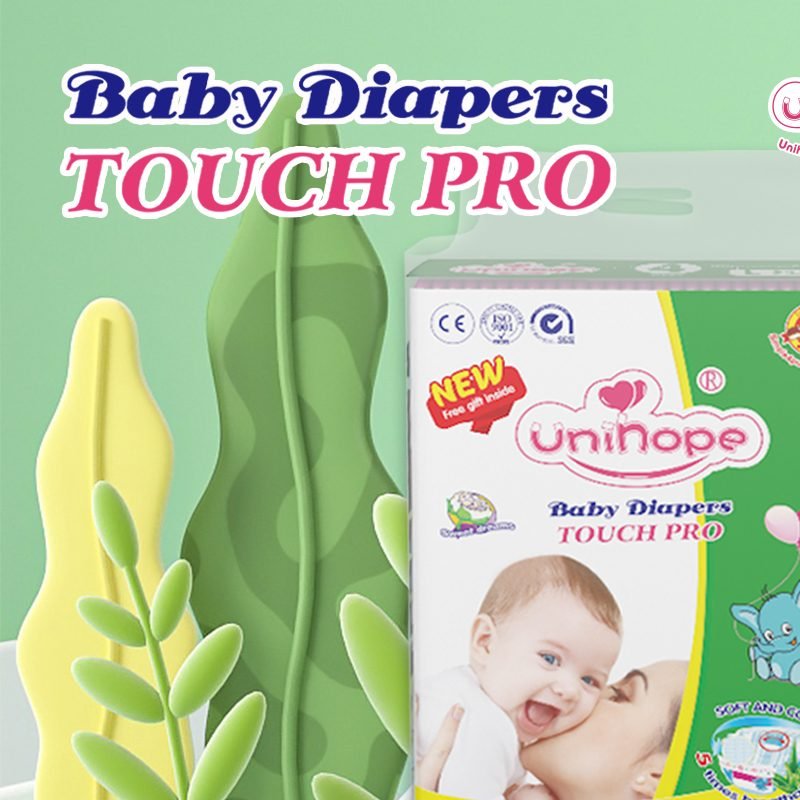
Baby Diapers Usage and Changing: A Guide for New Parents

Newborns require changing 10-12 diapers daily, yet over 67% of new parents experience leaks or rashes due to improper techniques. Combining clinical expertise and feedback from 1,000 caregivers, this guide systematically addresses four key challenges on the usage of baby diapers: wearing, removing, adjusting, and caring.

I. Four-Step Safe Changing Protocol

1. Preparation: Environment and Tools
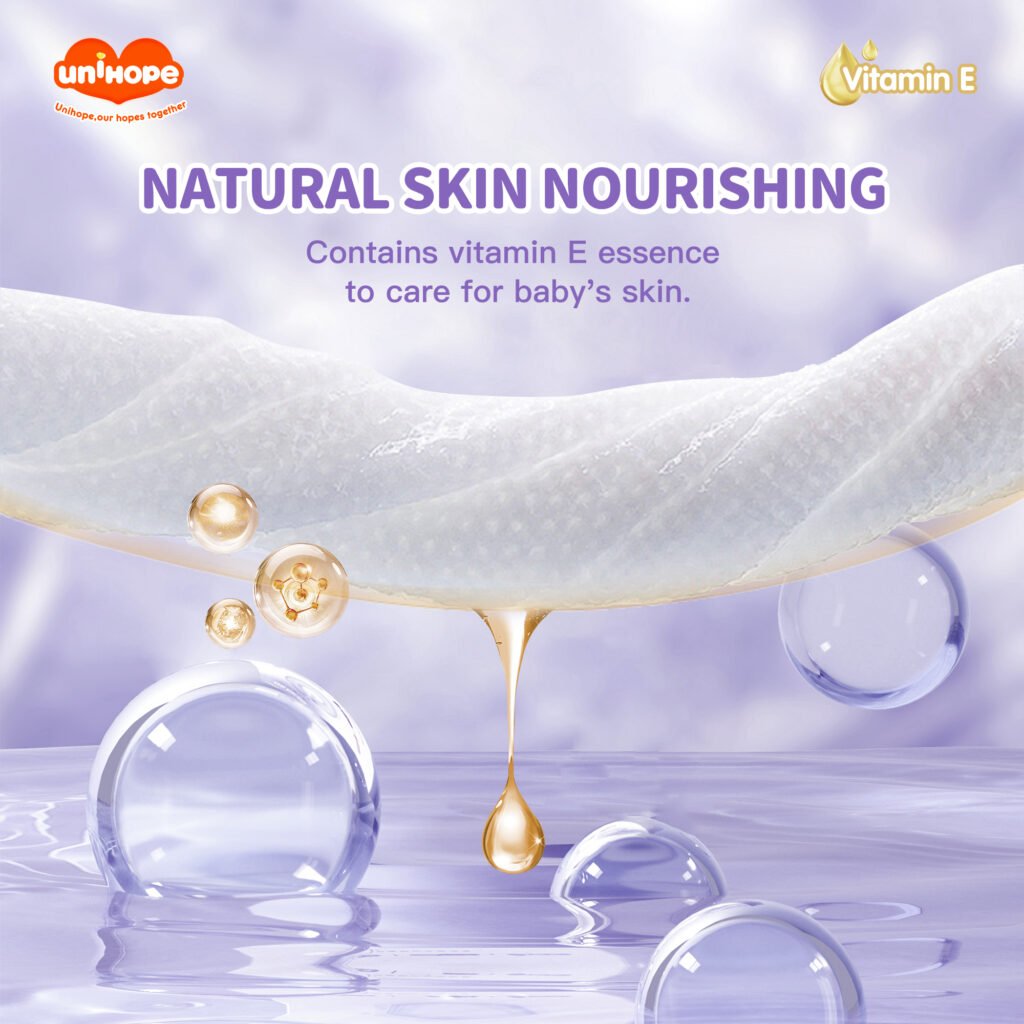
First, wipe skin with alcohol-free baby wipes to avoid irritation. Keep the room cozy at 26℃ using a toasty heater – check warmth with your wrist like testing bathwater. Skip fabric softeners, and pat-dry instead of rubbing. This protects baby’s natural skin shield while letting sweat glands work properly. Re-check knee/elbow creases after 10 minutes.
baby wet wipes

2. Core Technique: Three-Line Alignment

Position baby diapers’ back elastic centered along the baby’s spine. Attach both side tabs three fingers below the belly button using diagonal pressure. Smoothly pull leak-guard flaps sideways to activate their stretch barrier. Circle your fingertips along the waistband, checking for equal snugness while leaving one finger’s space for comfort. Adjust leg cuffs asymmetrically if needed.

3. Dynamic Verification: Tilt Test

After completing baby diapers change, securely cradle the newborn’s waist with your palm. Gently tilt the infant 45 degrees sideways and maintain this position for 3-5 seconds. During this motion, verify that the anti-leak leg cuffs naturally conform to the skin contours around the thighs while ensuring the elastic waistband adaptively adjusts with breathing patterns. This dual verification process confirms dynamic alignment between the absorbent core and body curvature, achieving zero-side-leakage protection during both stationary and active states.

4. Disposal Method: Odor Control

After changing, fold the soiled  baby diapers inward along its midline. Apply pressure at 45-60 degree angle to secure built-in fasteners, then reinforce seams with fingertip guidance. The bi-fold structure creates a sealed containment pocket with dual antimicrobial barriers through SAP layer overlap.

II. Comfort Optimization Technologies

· Choose diapers with dynamic elasticity (moderate rebound force) to adapt to body pressure during lying, crawling, or sitting. Recommend Duolashu’s baby diapers, which incorporate all the functions mentioned below.

1. Smart Waistband Compensation

2. Air Circulation System

Pick diapers with gentle stretchiness that follows baby’s moves. Test by lightly tugging the waistband – it should spring back like a soft hug without squeezing skin. This smart stretch helps prevent leaks when rolling over or sitting up. Look for smooth leg cuffs that flex with kicking legs and crawling knees.

Select “springy” baby diapers that breathe like bamboo curtains, letting air flow freely between layers. In summer, choose feather-light styles that feel like thin silk bedsheets. Winter calls for fleece-lined types – pair with wool booties and keep room temps at 19℃. Touch-test: Material should never cling to skin after 30 mins.

3. Friction-Reduced Contact Layer

Choose diaper for babies with velvety surfaces – imagine thousands of tiny cushion dots. Gently rub the lining between fingers; it should feel like peach fuzz, not plastic. Perfect for crawlers and nap time, these micro-patterns reduce red marks better than smooth materials. Check after three hours: Skin stays dry with no sticky residue.

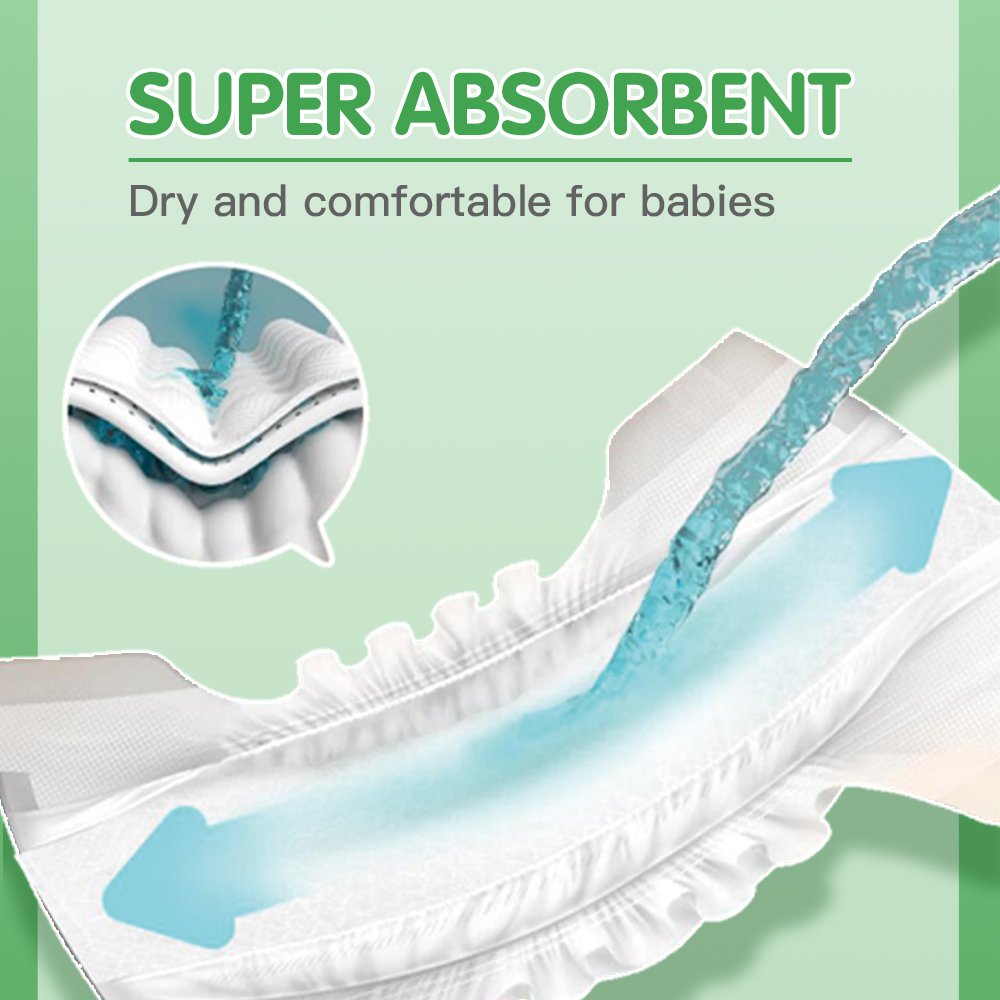
4. Rapid Absorption

Do the splash test: Pour 50ml (about three teaspoons) onto baby diapers. Watch it vanish in 3 clicks – like juice disappearing into sandcastles. The secret? Inner layers with tiny “rivers” that channel liquid fast. Check for dry surfaces after tummy time. Avoid those leaving shadow marks after cleanup.

III. Seasonal Solutions

1. Anti-Leak Strategies

 
  1. Pull leak-proof cuffs outward during wear.
  2. Place folded gauze at the front for boys to absorb sudden flows.
  3. Choose 3cm-wide 3D leak-proof edge designs.
Baby Diaper

2. Winter Protection :

  1. Preheat diaper for babies to 32℃ (using bottle warmers).
  2. Cover the baby’s lower back with warm hands during changing.
  3. Use thermal-retention versions with aerogel-lined padding.
IV. Scientific Changing Schedule

1. Core Principles

· Immediate change after bowel movements.
· Change after 2 instances of urination.
· Maximum interval: 4 hours.

2. Key Reminder

The fit of ideal baby diapers should be “snug but non-restrictive.” Check these criteria:
· One finger can slide under the waistband.
· No deep imprints around thigh folds.

Conclusion: Revolutionary Perspectives on Baby Diapers

Baby diapers are not mere hygiene products but microclimate regulators and routine-building tools. Every adjustment trains body awareness, while each fastener sound reinforces circadian rhythms. Parenting excellence lies in 0.01mm precision.
Share:
Table of Contents
Blogs Tag
News
EternalComp

Founded in 1985 and based in Nanchang, China, is a leading air compressor manufacturer specializing in compressed air system solutions. 

Get in touch

Duolashu——reliable personal care products manufacturer

Duolashu Group has its own personal care products production line and brands. Our products includes baby diapers, adult diapers, sanitary napkins, wet wipes, underpads and more.

We have 8 branches worldwide. Our brands have reached more than 80 countries and regions in North America, South America, Asia, Africa and the Middle East, with more than 500 branded distributors.

Get Inquiry

UNIHOPE, OUR HOPES TOGETHER!

As a Professional personal care products manufacturer, we have 8 branches around the world, and our brands have covered more than 80 countries and regions in North America, South America, Asia, Africa and the Middle East, with more than 500 brand distributors.
Our own brands include “UNIHOPE”, “NAPEE”, “Yisan” and “GIO”.