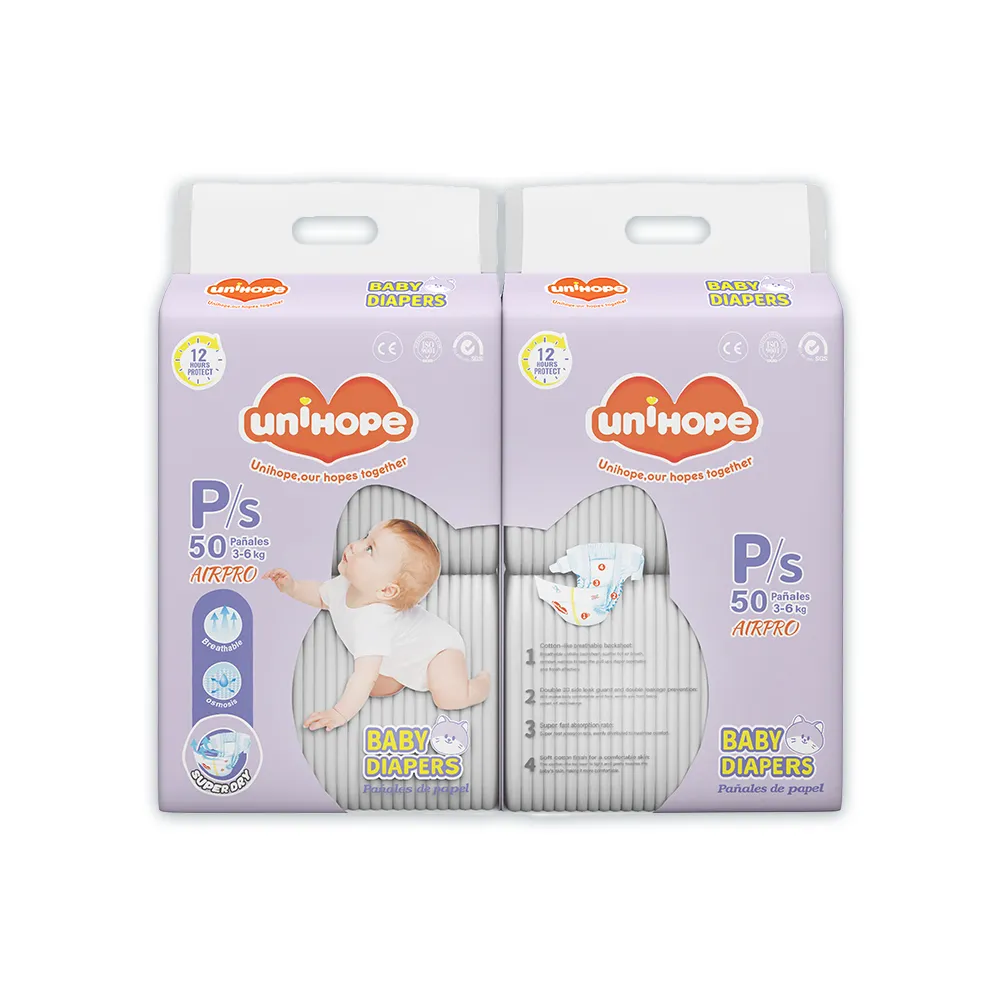
Choosing the right adult diaper size is one of those things that sounds simple until it isn’t. On paper, it seems like a quick matter of waist measurement and package label. In real use, though, fit affects almost everything: leakage, comfort, skin health, and whether the product feels manageable during a long day or overnight.
A size that is technically “correct” can still rub, sag, or leave gaps around the legs. And a size that feels a little roomy may actually perform better than a tighter one, depending on body shape and movement. That’s why sizing is less about guessing and more about checking a few practical details first.
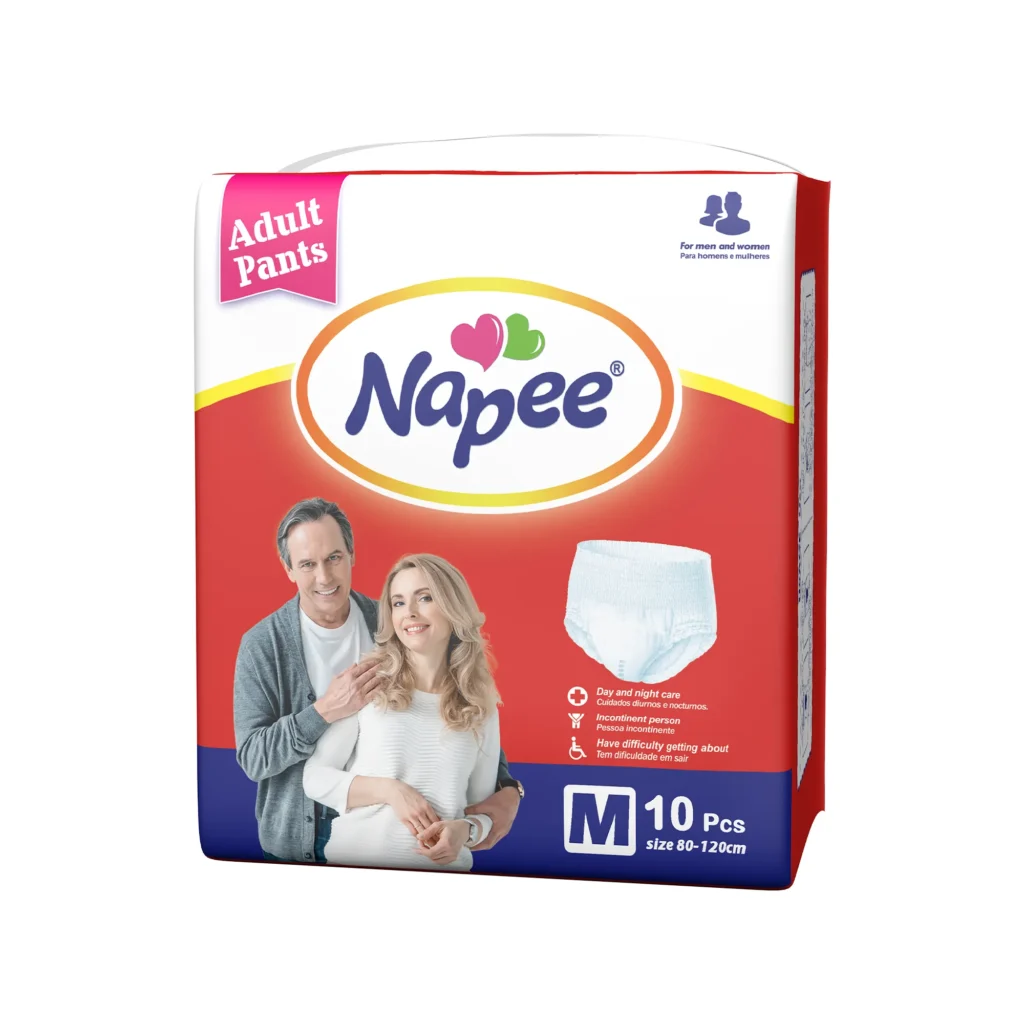
Why sizing matters more than most people think
An adult diaper that fits well does more than stay in place. It helps reduce friction, supports absorbency where it is needed, and lowers the chance of side leaks. When the fit is off, problems tend to show up quickly:
- Waist gaps can cause leaks during sitting or sleeping
- Tight leg openings may leave red marks or irritation
- Excess material can bunch up under clothes
- A poor fit can make the product feel “full” too early
That last part surprises many people. If the size is too small, absorbent material may not sit correctly, so the diaper can leak even before reaching its rated capacity.
Measure first, guess later
The safest starting point is always measurement. Most sizing charts are based on waist size, but hips matter too, especially for people with wider hips or a narrower waist. In practice, the larger measurement is often the one that matters most.
Waist and hip measurements both matter
To get a better estimate:
- Measure the waist at the natural waistline
- Measure the hips at the widest point
- Compare both numbers to the brand’s chart
- If the numbers fall between sizes, look at the fit style and absorbency needs
That “between sizes” situation is common. It usually does not mean the choice is obvious. For a more secure daytime fit, the smaller size may work. For overnight use or limited mobility, the larger size can sometimes be more forgiving.
Why body shape changes the answer
Body shape can change sizing results quite a bit. A person with a fuller midsection may need a different fit than someone with the same waist number but slimmer hips. Weight changes, swelling, and even sitting for long periods can all affect how the product sits on the body.
That is one reason brand charts matter so much. Two products labeled the same size may still fit differently.
Understand the main adult diaper styles
Not every product fits the same way. Style matters almost as much as size.
Tape-style diapers
Tape-on diapers are often better for people who need adjustable fastening, caregiver help, or a more customizable fit around the waist and legs. They can be easier to fine-tune if body shape is unusual or if the fit needs to be adjusted after movement.
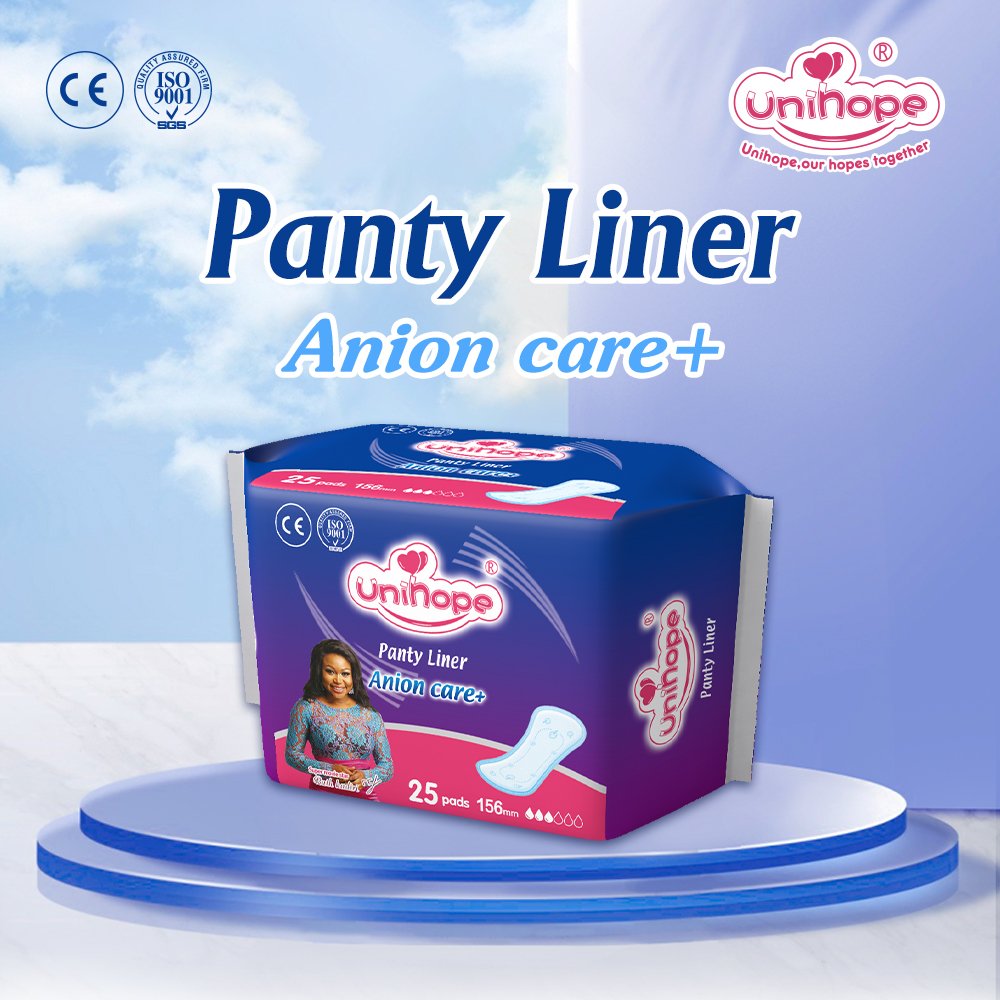
Pull-up pants
For people who want something closer to regular underwear, adult pull up pants are often worth considering. They usually fit more snugly through the waist and hips, which can feel more natural for active users, but they are less adjustable than tape-style products.
This is one reason pull-ups can be great for daytime confidence, while tape styles may be easier for heavier protection or assisted changing.
When extra protection helps
Sometimes the best sizing decision is not only about the diaper itself. A backup layer can help when leaks are a concern, especially at night or during travel. Products such as adult under pads can protect bedding and chairs, which takes some pressure off choosing a perfect fit every time.
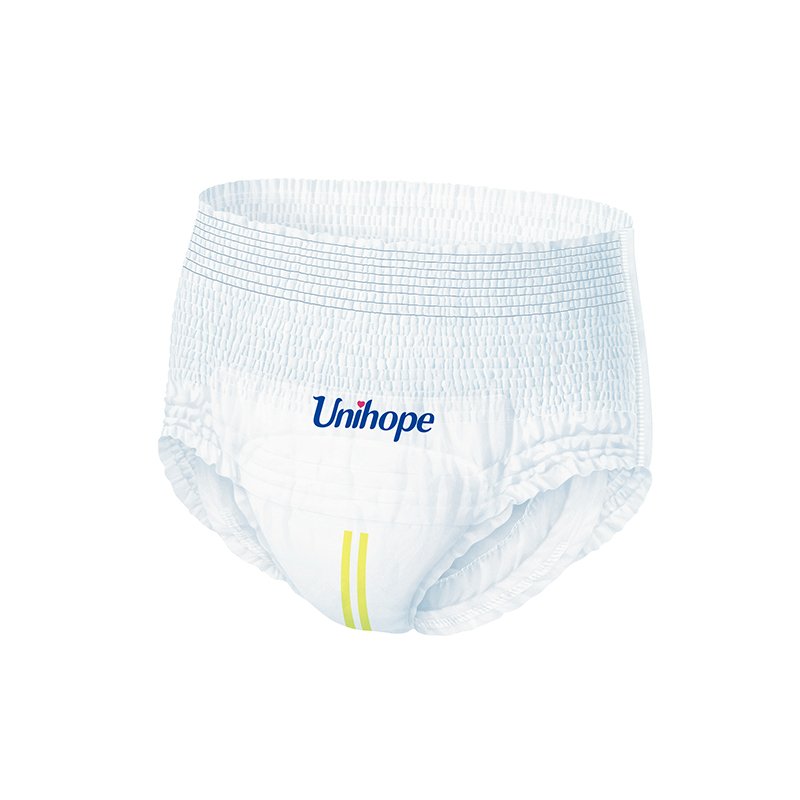
Quick sizing guide
Here is a simple reference, though it still makes sense to check each brand’s chart:
| Size | Common fit range | Best for | Fit notes |
|---|---|---|---|
| Small | About 22–36 in | Slim build, tighter fit preference | Can leak if hips are larger than waist |
| Medium | About 34–48 in | Average build, mixed use | Often the most common starting point |
| Large | About 45–58 in | Broader waist or hip area | Better for fuller body shape |
| X-Large | About 55–67 in | Larger frames, overnight use | Often more comfortable when sitting or sleeping |
| 2X-Large and above | Varies by brand | Extended sizes | Check leg opening and rise carefully |
The chart is only a starting point. In real life, one brand’s Large may feel like another brand’s Medium-and-a-half, which is a little annoying, but pretty common.
Fit checks that reveal the wrong size fast
A product can look fine at first and still be wrong. These signs usually point to sizing trouble:
Too small
- Red marks at the waist or thighs
- Tabs pulling hard to close
- Diaper feels stiff or overly tight
- Leg openings sit too high
Too large
- Diaper sags between the legs
- Waist gaps when sitting
- Tabs overlap too much or sit unevenly
- Leaks happen before the product feels full
A good fit usually sits flat without squeezing. The leg gathers should be close to the body, but not digging in. There should be enough room for movement without the diaper shifting around every few minutes.
Match size with absorbency and daily routine
Sizing is not separate from use. A person who moves around a lot may need a different fit than someone who sits for long periods or needs overnight protection.
- Daytime use: A snug but comfortable fit often works best
- Overnight use: Slightly more room can help with swelling, movement, and capacity
- Heavy incontinence: Secure leg and waist seals matter more than appearance
- Limited mobility: Adjustable products are often easier to manage
A frequent mistake is choosing a smaller size because it looks neater. Neat is not the goal. Secure is the goal.
Common mistakes people make
A few sizing mistakes show up over and over:
- Buying by waist size only
- Ignoring hip measurement
- Choosing a style before checking fit
- Reusing the same size after weight changes
- Not checking the brand’s actual chart
- Forgetting that absorbency and size work together
Even experienced caregivers sometimes need to test two sizes before settling. That is normal, not a failure.
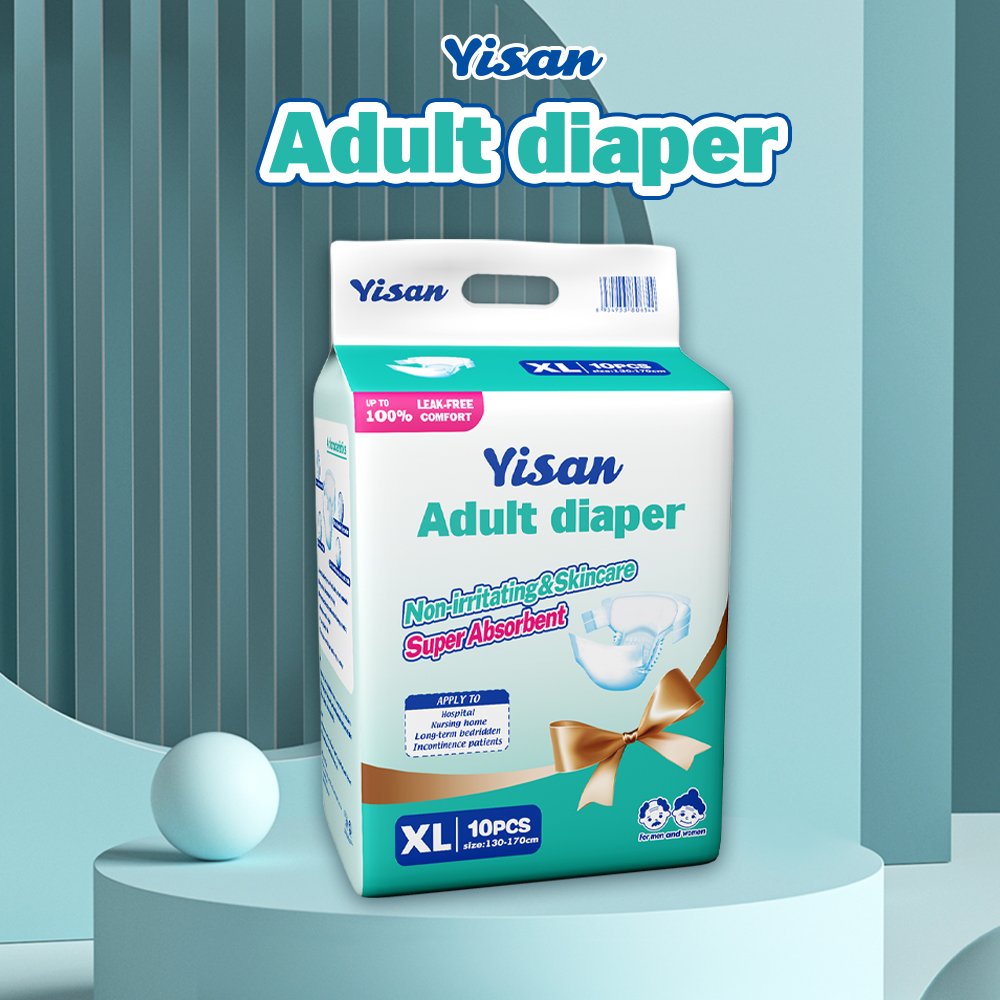
Where to start shopping
If the goal is to compare options and narrow down the right adult diaper size, start with measurement, then match the size chart, then think about style and absorbency. That order tends to save time and reduces the “almost right” problem that leads to leaks later.
FAQ
Can someone be between sizes?
Yes, and it happens often. In that case, the best choice usually depends on whether the priority is a closer seal, more overnight comfort, or easier movement.
Does a larger size always mean better leak protection?
Not necessarily. Too much room can create gaps at the legs and waist, which can actually increase leaks. Protection depends on fit, not just size.
How often should size be checked again?
It is a good idea to recheck after weight change, swelling, illness, or any repeated leakage. Even small body changes can affect the way a product sits.