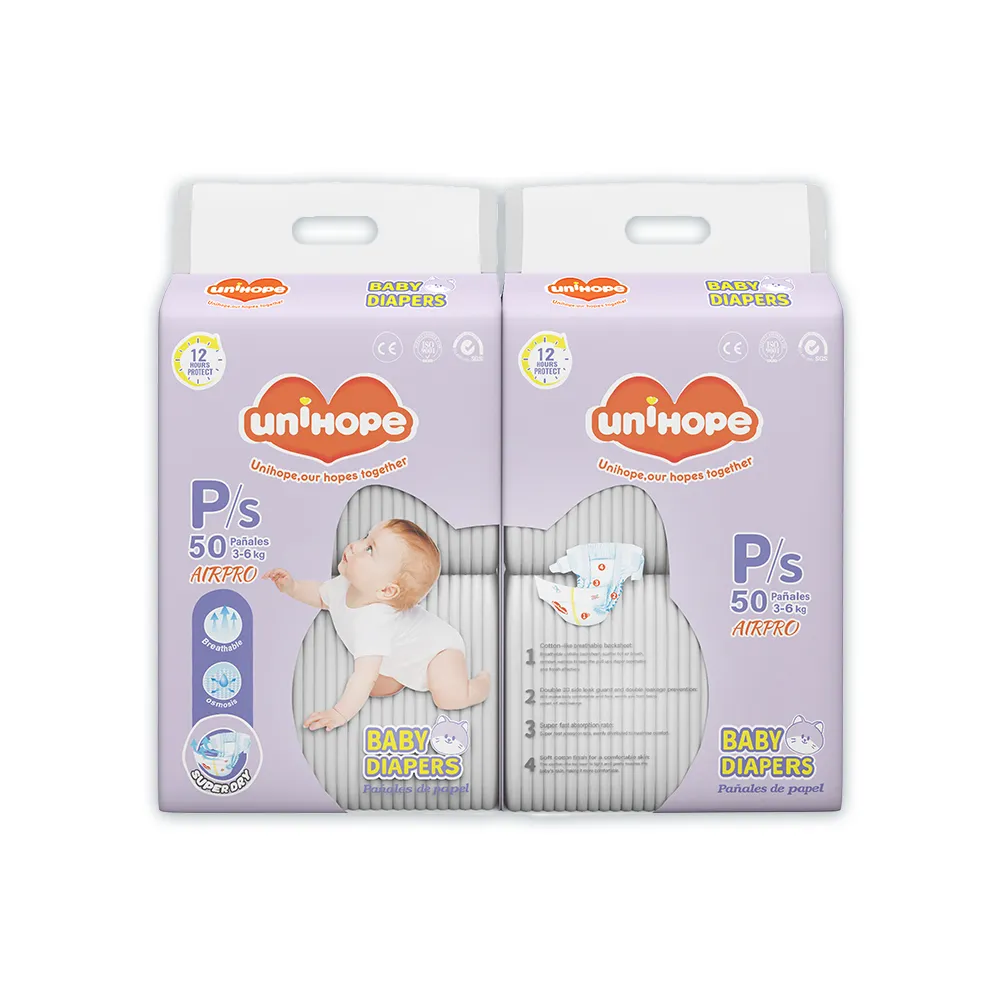
Bringing a newborn home involves a surprising number of decisions. Perhaps one of the most repetitive choices is the baby diaper. Given how sensitive newborn skin is, it’s really no surprise that many parents are looking closely at the materials touching their baby 24/7. This has led to a major rise in interest around organic diapers. But what are they, really?
What Does “Organic” Even Mean for Diapers?
This is where things can get a little cloudy. Unlike food, the term “organic” for diapers isn’t always strictly regulated by one single body. It’s often more about what’s left out. Think: no harsh chemicals, no chlorine bleaching, no fragrances or lotions. Many brands that use the term “organic diapers” are really highlighting their use of plant-based materials (like bamboo or wood pulp) and their commitment to avoiding specific additives that are known irritants. It’s less about being 100% “organic” in the agricultural sense and more about being a cleaner, more natural-style product.

Why Consider Organic Diapers for a Newborn?
Addressing Extreme Skin Sensitivity
The primary driver for most families is, without a doubt, skin sensitivity. A newborn’s skin barrier is just different; it’s thinner and far more permeable than adult skin, making it prone to dryness and irritation. This is where the “what’s left out” part of organic diapers really matters. Standard diapers can contain a cocktail of additives—fragrances, lotions, and dyes. While generally considered safe, any of these can be a trigger for contact dermatitis or diaper rash in some infants.
Avoiding Unnecessary Chemicals and Additives
Choosing organic diapers is often about actively avoiding specific materials. This provides peace of mind for many parents. Key things that are typically excluded include:
Chlorine Bleaching: Most organic brands use a TCF (Totally Chlorine-Free) process to whiten the diaper pulp, which prevents the creation of dioxins, a chemical byproduct.
Potential Irritants: This means no fragrances, parabens, or phthalates. It’s a “less is more” approach to reduce the number of chemicals touching the baby’s skin.
The Environmental Consideration
The environmental angle is a significant factor. A single baby uses thousands of diapers, and most conventional ones take hundreds of years to decompose in a landfill. Many natural baby diapers are made with more biodegradable or sustainably sourced components, such as bamboo or wood pulp from responsibly managed forests. For many, this feels like a more responsible choice to lessen that long-term footprint.

Key Features to Look For
When comparing different brands, the labels can be confusing. It helps to look past the marketing and focus on a few key components.
| Feature | What It Typically Means | Why It Matters for Newborns |
| Core Material | Often plant-based pulp (like bamboo) or TCF (Totally Chlorine-Free) wood pulp. | Aims to be softer and less processed. TCF avoids chlorine byproducts. |
| Certifications | Look for seals like ISO9001, ISO13485, CE, SGS Certified Biobased. | These third-party tests check for harmful substances or verify the amount of plant-based content. |
| “Free Of” Claims | No lotions, parabens, or phthalates. | Reduces the number of potential chemical irritants on the most sensitive skin. |
| Wetness Indicator | A line on the diaper that changes color when wet. | Extremely helpful (especially for new parents) to know when a change is needed without undressing the baby. |
The Reality of Using Organic Diapers
It’s worth noting that performance is key. A diaper that leaks, organic or not, isn’t helping anyone. In the past, some eco-friendly options just didn’t hold up. Today, however, the absorbency of high-quality organic diapers is often on par with, or even better than, conventional brands.
The main hesitation? Usually, it’s the cost. They do tend to be more expensive per diaper. This is a practical consideration for every family, and it’s perfectly fine to find a balance—maybe using them just for the newborn stage when skin is most fragile, or alternating with another trusted brand. There isn’t one “perfect” answer.
Choosing the right diaper for a newborn is ultimately about finding what works best for the baby’s skin and the family’s budget. Organic diapers present a compelling option, moving away from potential irritants and focusing on gentler, often more sustainable, materials. It’s a small change, but it can make a big difference in comfort during those first few delicate months.
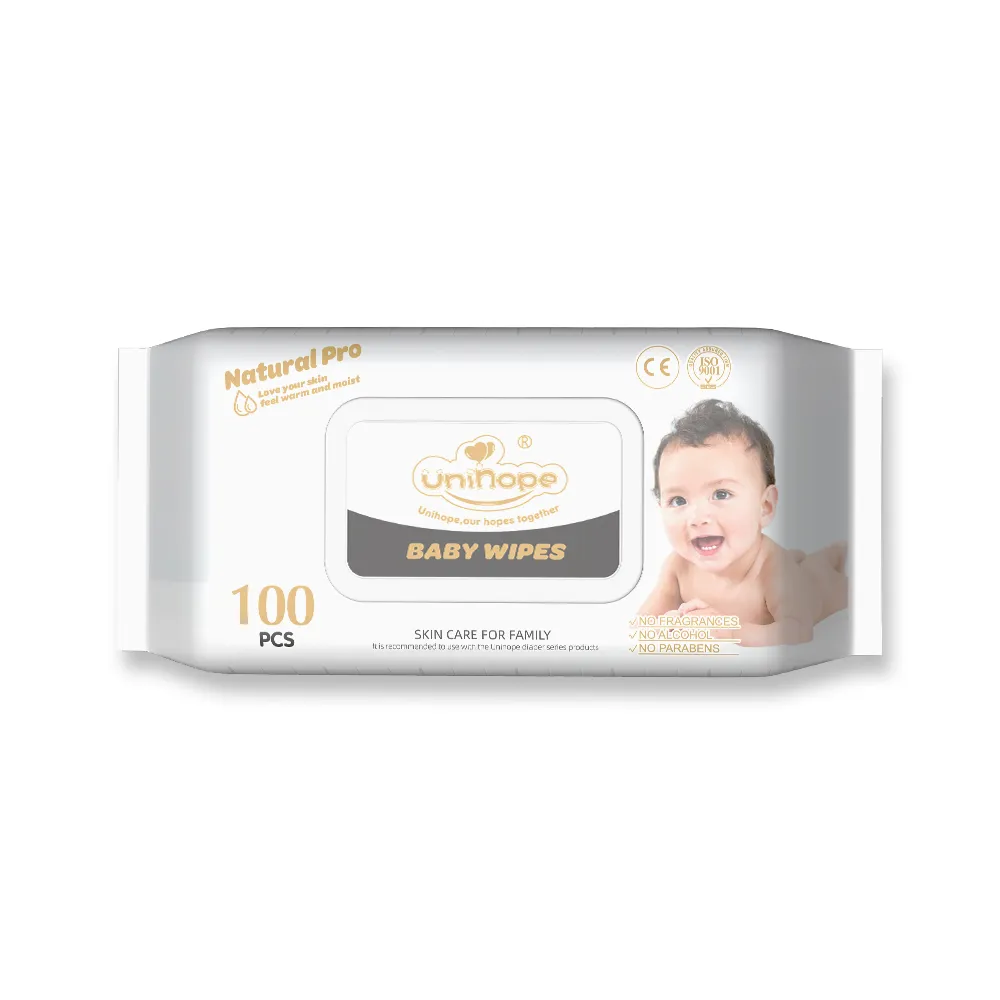
Conclusion
Ultimately, the search for the best organic diapers is about finding a balance. It’s about protecting a newborn’s incredibly delicate skin from potential irritants like fragrances and chlorine, while also considering the long-term environmental impact of such a high-use product. While they can be a bigger investment, many parents find the peace of mind that comes from using simpler, plant-based materials is well worth it, especially during those first fragile months. The right choice is the one that keeps the baby comfortable, dry, and rash-free, fitting both the family’s values and their budget.