Many parents ask if non-toxic diapers can stop diaper rash. These diapers might help, but no diaper can fully stop rashes. Diaper rash is common in babies:
-
In the U.S., estimates suggest that about 7% to 35% of infants experience diaper rash at any given time.
-
Globally, some studies indicate that up to 70% or more of infants and young children may experience diaper dermatitis during their diaper-wearing years.
|
Study Type |
Findings |
Conclusion |
|---|---|---|
|
Clinical Home-Use Tests |
Non-toxic diapers kept skin less wet and skin pH closer to normal |
These diapers made a better place for skin and lowered the chance of rashes |
Non-Toxic Diapers
Features of Non-toxic Diapers
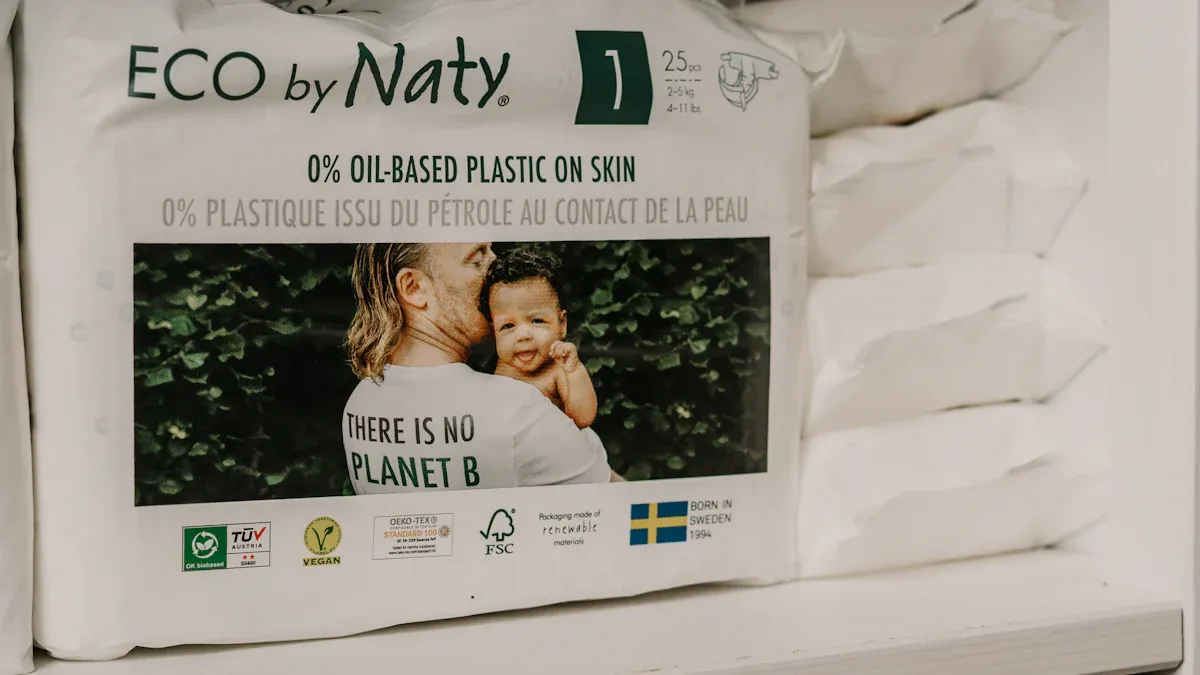
Non-toxic diapers are made to keep babies safe and comfy. Parents want diapers without harmful chemicals. These diapers are gentle for sensitive skin. They use organic materials like cotton or bamboo. This helps lower the chance of skin irritation. Some brands use water-based inks. Plant-based liners are also common. These choices make diapers safer for everyday use.
Here’s a quick look at common materials in organic diapers:
|
Material Type |
Description |
|---|---|
|
Cotton (organic or unbleached) |
Natural fiber, safe for sensitive skin, free from harmful chemicals |
|
Bamboo |
Sustainable, biodegradable, gentle on skin |
|
Cornstarch or sugarcane-based liners |
Plant-based, safer than synthetic options |
|
Water-based inks |
No harmful solvents, safer for babies |
Many organic diapers have certifications like OEKO-TEX Standard 100 or FSC. These show the diapers meet strict safety rules. Some brands, like Healthybaby, use chlorine-free methods. They do not use parabens or phthalates. These features help make diapers hypoallergenic.
How They Differ
Non-toxic diapers are different from regular diapers. Most organic diapers use plant-based materials. These break down easier than plastics. They do not have chemical additives like parabens, latex, or fragrances. These chemicals can cause rashes.
Tip: New green diapers can absorb well and stop leaks.
Organic diapers avoid harmful chemicals. They may have certifications like EWG Verified. Some offer biodegradable options for eco-friendly families. Biodegradable diapers lower exposure to irritants. They help protect sensitive skin. All diapers affect the environment. Organic diapers try to lower risks for babies and nature.
Diaper Rash Causes
Skin Sensitivity
Some babies have skin that gets upset more easily. Their skin barrier is weaker, so it gets irritated fast. Doctors say many things can make a baby’s skin more sensitive:
-
If family members have allergies, asthma, or eczema
-
If the baby has less filaggrin, a skin protein
-
If the baby is around harsh soaps or allergens
-
If the baby was born early or weighed less at birth
-
If the baby lives in damp places or took antibiotics early
|
Evidence |
Description |
|---|---|
|
Skin sensitivity |
Babies with sensitive skin get rashes more often in the diaper area. |
|
Diaper dermatitis |
Babies who get diaper dermatitis early may have other skin problems later. |
|
Skin barrier dysfunction |
Weak skin barriers let irritants cause more trouble. |
Note: Eczema and other skin problems often run in families. If a parent has allergies or asthma, their baby might have sensitive skin too.
Diaper Materials
The stuff used to make diapers matters a lot. Some babies react to chemicals or things added to some brands. Fragrances, lotions, and dyes can cause problems. Not many diaper rashes are from allergies to diaper materials, but it still matters for sensitive babies.
|
Cause of Diaper Rash |
Percentage Contribution |
|---|---|
|
Prolonged exposure to moisture |
High |
|
Allergic reactions to diaper materials |
Very few |
Parents can pick diapers marked “hypoallergenic” and free from harsh chemicals. Choosing diapers without fragrances, latex, or dyes can help stop irritation. But a big review of studies did not find strong proof that one kind of diaper always stops rashes better than others. The best diaper depends on what each baby needs.
Preventing Diaper Rash

Best Practices
Parents want to keep their baby’s skin healthy. Doctors give easy tips that help most families:
-
Keep your baby clean and dry every day.
-
Change diapers often so skin stays dry.
-
Use soaps, wipes, and lotions without fragrance or dyes.
-
Let your baby have time without a diaper to let skin breathe.
-
Put barrier creams like petroleum jelly on the skin to protect it.
Barrier creams help by making a shield on the skin. This stops wetness from touching the skin. Changing diapers often keeps pee and poop off the skin. The table below shows how these steps help:
|
Evidence Type |
Description |
|---|---|
|
Barrier Creams |
Make a shield that stops wetness and irritants. This lowers friction and rash risk. |
|
Frequent Changes |
Stop long contact with pee and poop. This lowers irritation. |
|
Petrolatum Jelly |
Using it often lowers diaper rash and helps skin stay healthy. |
Tip: Give your baby some time without a diaper each day. This helps stop rashes and keeps skin healthy.
Choosing Organic Diapers
Picking organic diapers can help lower diaper rash risk. Parents should pick diapers without dyes, fragrance, or lotions. These things can bother sensitive skin. It is good to choose organic diapers without latex, parabens, or TBT. Many organic diapers use plant-based or biodegradable stuff. These are gentle and break down faster in nature. Some brands have certifications to show their diapers are safe. When parents pick organic diapers with these features, they help their baby’s skin stay rash-free.
Note: Organic diapers with biodegradable materials are good for sensitive skin and the planet.
Conclusion
Parents pick organic diapers to stop rashes, but no diaper is perfect. Organic diapers can help, but other things matter more. Skin sensitivity, changing diapers often, and using barrier creams are very important. If you want to know more information about how to choose organic baby diapers, you can check our guide A Guide of Organic Diapers for Newborns.