Introduction
As business leaders and decision-makers in the childcare industry, the question of which is the safest diaper for baby is central to product development and portfolio strategy. This issue extends beyond individual consumer choice, touching upon core business values like supply chain integrity, brand reputation, and long-term B2B partnerships. Selecting the right diaper solutions requires a deep understanding of safety fundamentals, market expectations, and the evolving landscape of infant care. This article explores the essential elements of diaper safety from a commercial perspective, providing insights to guide your procurement and product selection strategies without focusing on specific brands or technical specifications. By prioritizing safety, businesses can build stronger relationships with retailers and consumers alike.
Understanding Key Elements of a Safe Diaper
For B2B buyers, evaluating the safest diaper options involves assessing fundamental safety elements that align with market demands and compliance frameworks. A thorough understanding of these components ensures that the products you source or private label meet the highest standards for infant well-being.
Material Safety and Composition
The foundation of any safe diaper lies in its material composition. Key considerations include the use of non-toxic, high-quality materials that minimize exposure to potential irritants. Many businesses now seek diapers made with naturally derived fibers and without harsh chemicals, as this aligns with growing consumer preference for cleaner products. The core materials should be gentle enough for delicate skin while providing reliable absorption. For companies building their product lines, understanding the source and processing of these materials is a critical step in the supply chain evaluation. Similarly, for a comprehensive baby care regimen, ensuring the safety and compatibility of companion products like Natural BABY Pants is equally crucial for maintaining skin health.
Certification and Compliance Standards
Independent certifications and compliance with regional safety standards serve as vital indicators of a diaper’s safety profile. These certifications often verify that products meet stringent requirements for material safety and manufacturing processes. For business partnerships, selecting suppliers who adhere to recognized international standards can mitigate risk and enhance product credibility. Compliance is not just a regulatory hurdle; it is a mark of quality that can strengthen your market positioning and facilitate smoother entry into new retail channels.
Hypoallergenic and Skin-Friendly Features
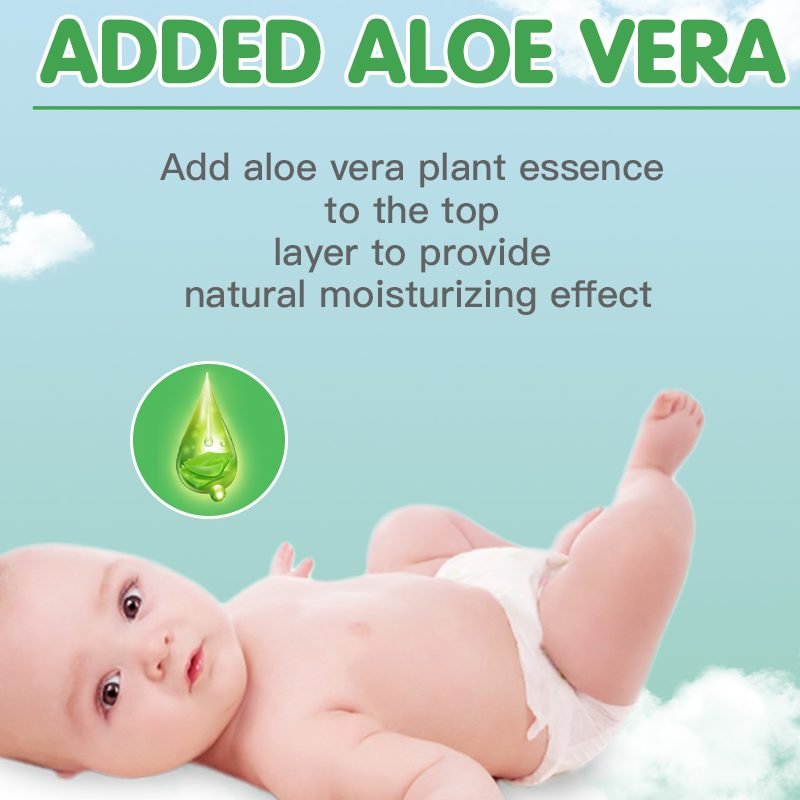
Baby diapers designed with hypoallergenic properties are increasingly important in today’s market. Features that promote skin health, such as breathable outer layers and moisture-wicking cores, help maintain the skin’s natural balance. For businesses, offering diapers that address common concerns like skin sensitivity can be a significant competitive advantage. Prioritizing these skin-friendly features in your product assortment demonstrates a commitment to comprehensive baby safety and can lead to higher consumer satisfaction and repeat purchases.
Benefits of Safe Diapers in B2B Markets
Integrating the safest diaper options into your business model offers tangible advantages that impact brand perception, market responsiveness, and operational sustainability. These benefits directly influence long-term business growth and partnership potential.
Enhancing Brand Reputation and Consumer Trust
Associating your brand with proven safe diapers builds immense credibility and consumer trust. In a competitive market, a reputation for safety can be a powerful differentiator, fostering loyalty among retail partners and end consumers. Businesses that consistently deliver high-safety products strengthen their brand integrity, which in turn supports premium positioning and can justify stronger margins. This trust is a valuable asset in any B2B relationship.
Meeting Market Demand for Safety
Modern parents are increasingly informed and selective, actively seeking out the safest options for their babies. This consumer trend represents a significant market opportunity for businesses that can reliably supply diapers meeting these safety expectations. By aligning your product offerings with this demand, you can capture a growing market segment and build a responsive, forward-thinking brand. Understanding these market trends is essential for strategic inventory planning and marketing communications.
Supporting Sustainable Business Practices
Safety and sustainability are becoming intertwined in the childcare sector. The safest diapers often incorporate environmentally conscious elements, such as responsibly sourced materials and reduced waste designs. For example, Organic Baby Diapers represent a clear intersection between safety and sustainability, combining eco-friendly production with baby-safe materials. They not only meet growing environmental expectations but also appeal to health-conscious consumers seeking holistic safety for infants. Embracing these products allows your business to advance its corporate sustainability goals. This commitment not only appeals to a broader consumer base but also future-proofs your operations against increasingly strict environmental regulations, creating a more resilient supply chain.
Evaluating Diaper Safety for Business Decisions
Making informed decisions about diaper safety requires a structured approach to supplier assessment and product evaluation. Developing a consistent framework for vetting potential partners ensures that your business offerings maintain the highest safety standards.
Assessing Supplier and Manufacturer Credentials
The first step in sourcing the safest diaper is a thorough evaluation of supplier and manufacturer credentials. This process involves reviewing their production capabilities, quality control systems, and commitment to safety protocols. Businesses should seek partners with transparent operations and a proven track record of compliance. Establishing strong B2B partnerships with reputable manufacturers is fundamental to ensuring consistent product quality and safety across your supply chain.
Key Considerations in Diaper Selection
When selecting diaper products for your portfolio, several general factors deserve attention. Focus on the overall design philosophy, the supplier’s approach to material selection, and their testing methodologies. Considerations such as fit, comfort, and leak protection indirectly contribute to safety by preventing issues that could compromise skin health. A holistic view of these factors will guide you toward offerings that represent the pinnacle of baby safety and performance.
Implementing Safety in Product Lines
Integrating safety into your core product strategy requires ongoing commitment. This involves establishing clear safety benchmarks for all new products, conducting regular quality audits, and maintaining open communication with manufacturing partners. By making safety a non-negotiable element of your product development process, you create a cohesive brand identity that resonates with both business partners and consumers. This strategic implementation turns safety from a feature into a foundational business principle.
Conclusion
Identifying the safest diaper for baby care is a complex but essential endeavor for businesses operating in this sector. By focusing on material safety, relevant certifications, and skin-friendly features, companies can make informed decisions that benefit both their partners and end-users. The commercial advantages of prioritizing safety—including enhanced brand reputation, alignment with market trends, and support for sustainable practices—make this a strategically sound investment. As you refine your product offerings, let safety be the guiding principle that distinguishes your business and builds lasting value in the competitive childcare market.