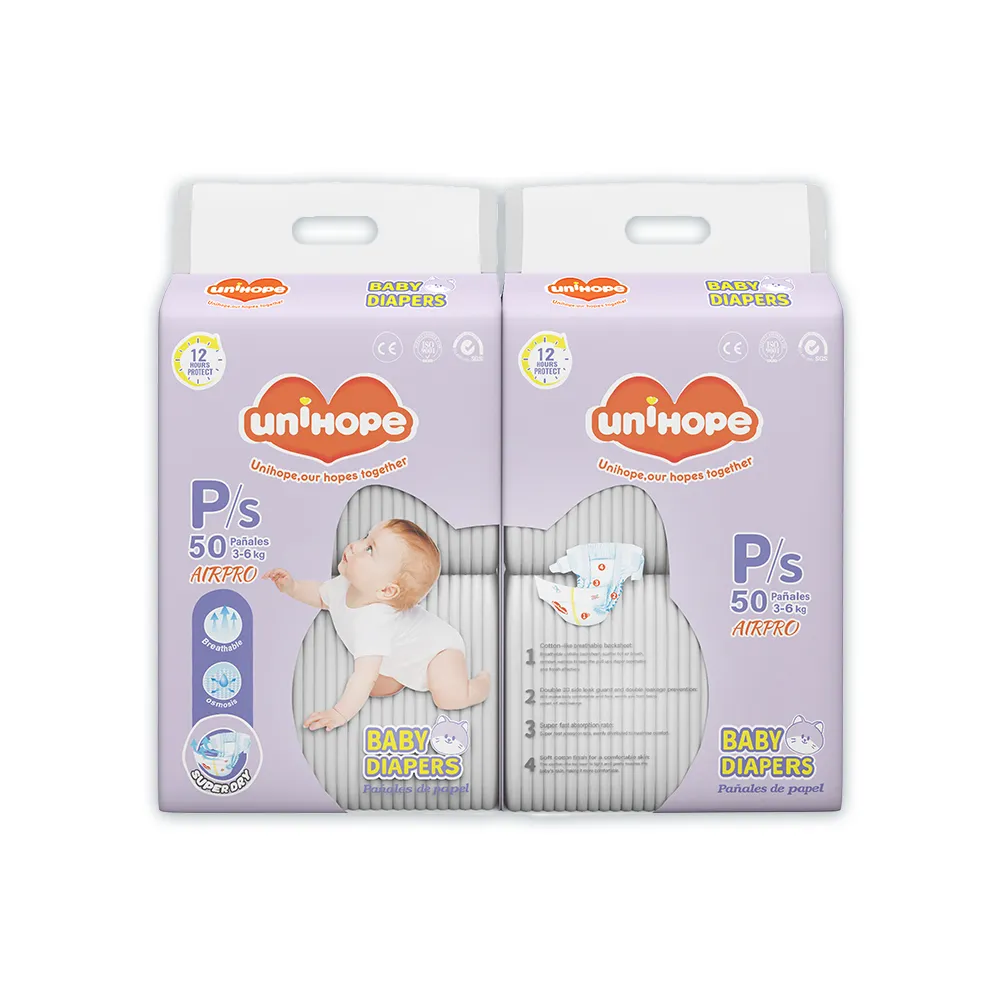
The market for essential personal care items is experiencing robust, consistent growth on a global scale. Industry reports from organizations like Fortune Business Insights project the global feminine care market to expand at a steady compound annual growth rate of roughly 5.8% over the coming years. For distributors, retail chains, and institutional procurement teams, entering or expanding in this space requires more than just finding the lowest price point. It demands a highly strategic approach to sourcing wholesale feminine hygiene products that carefully balances quality, reliability, and end-user safety.
When purchasing these sensitive items at scale, the stakes are undeniably high. Here are the top five factors that must be evaluated to ensure a successful and sustainable B2B procurement strategy.
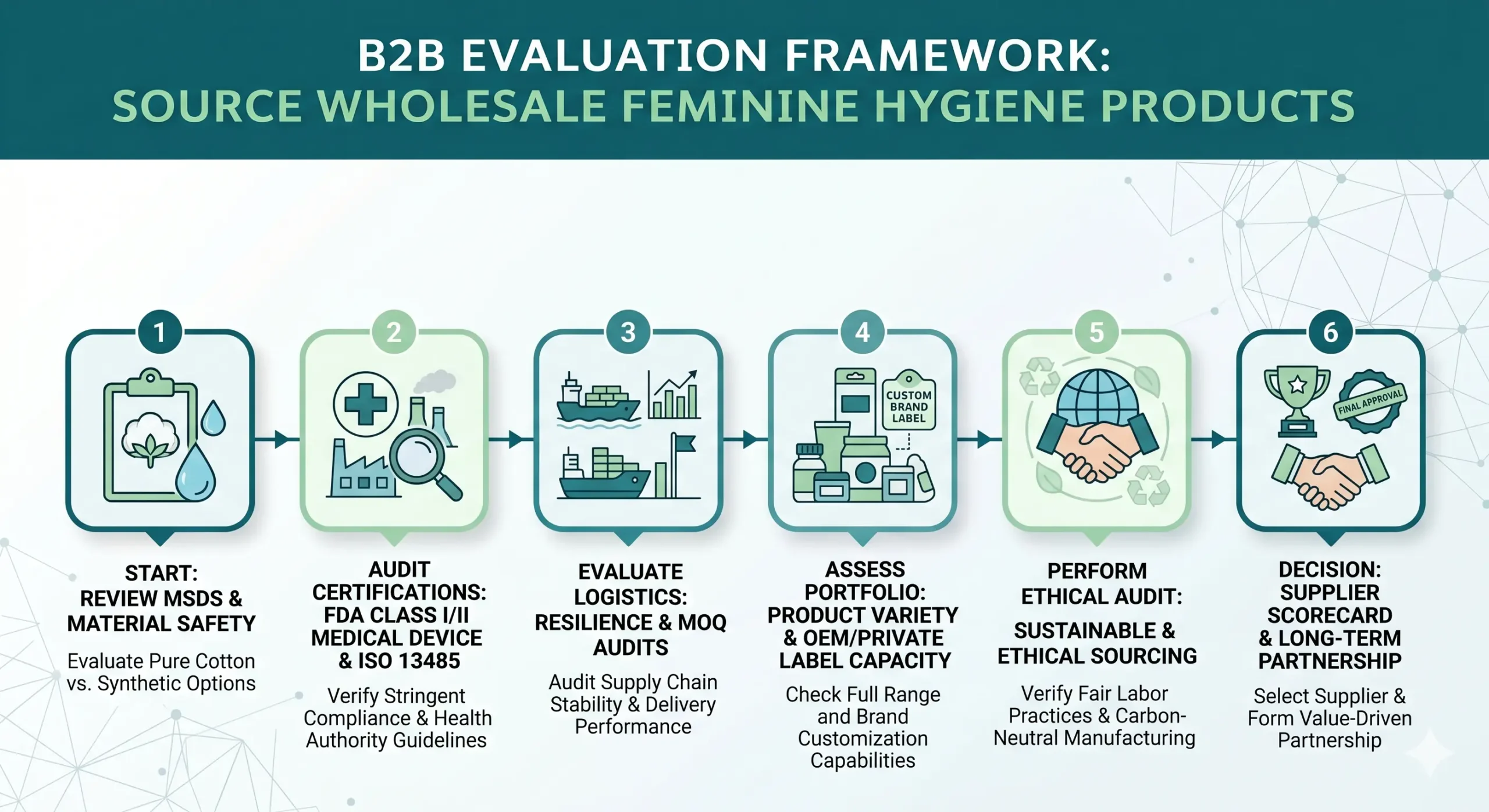
Factor 1: Prioritizing Material Safety and Consumer Preferences
The modern consumer is highly educated regarding the ingredients and materials used in their personal care routines. There is a noticeable, permanent shift happening in retail aisles—recent consumer behavior surveys indicate that well over half of today’s buyers actively prioritize “sustainable” and “skin-friendly” labels over legacy brand recognition.
When stocking up on bulk sanitary napkins, evaluating the raw materials is non-negotiable. Pure cotton, unbleached cores, and bamboo fibers are rapidly replacing traditional synthetic meshes. End-users are increasingly sensitive to chlorine bleaching, synthetic fragrances, and harsh dyes, which can cause irritation or disrupt natural pH balances. Choosing suppliers that utilize hypoallergenic and breathable materials is a direct investment in customer loyalty.
| Material Type | Breathability | Hypoallergenic Profile | Market Trend |
|---|---|---|---|
| Traditional Rayon/Synthetic | Low to Moderate | Moderate (higher risk of irritation) | Declining |
| 100% Pure Organic Cotton | High | Excellent (natural and safe) | Rapidly Growing |
| Bamboo Fiber | Very High | Excellent (naturally antibacterial) | Emerging Premium |
Factor 2: Navigating Stringent Compliance and Certifications
Feminine care items are inherently tied to health and hygiene, meaning the manufacturing processes are heavily regulated. Medical-grade compliance is the absolute baseline for B2B procurement, regardless of the target market.
Regulatory bodies treat these items with strict oversight. In the United States, for example, menstrual pads and pantyliners are typically classified as Class I medical devices by the U.S. Food and Drug Administration (FDA), which mandates stringent manufacturing, labeling, and quality control standards. Tampons are subject to even stricter Class II regulations due to internal use risks. Procurement managers must verify that any chosen manufacturer holds the appropriate international certifications (such as ISO 9001 for quality management and ISO 13485 for medical devices) and complies with the destination country’s specific health authority guidelines.
Factor 3: Evaluating Supply Chain Stability and MOQ Flexibility
Even the highest quality pads or tampons are useless if they remain stuck in a port during a critical stockout. Supply chain resilience is perhaps the most vital operational factor in modern B2B commerce.
It is necessary to assess a manufacturer’s production capacity alongside their minimum order quantity (MOQ) flexibility. While large bulk orders reduce the cost per unit, rigid MOQs can strain warehouse storage and cash flow for mid-sized distributors. When refining a purchasing strategy, understanding exactly How to Source Wholesale Feminine Hygiene Products involves auditing potential suppliers for their historical delivery performance, their ability to scale production during peak seasons, and their contingency plans for global shipping disruptions.
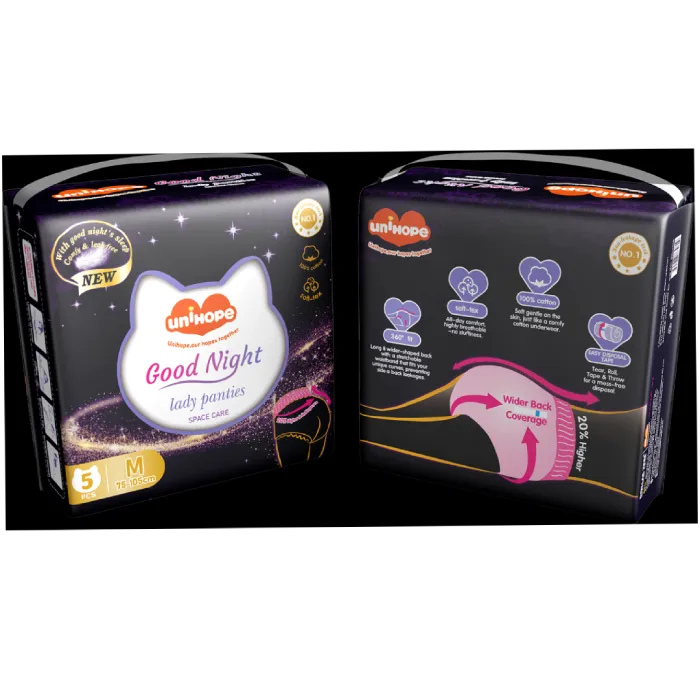
Factor 4: Assessing Product Variety and Private Label Capabilities
A diverse product line is essential for capturing a wider demographic. The physiological needs of consumers vary wildly, requiring a comprehensive inventory that includes pantyliners for light days, ultra-thin daytime pads, heavy-duty overnight options, and varied sizes of tampons.
Furthermore, many distributors and retail chains are pivoting toward OEM (Original Equipment Manufacturer) or private labeling. Factories with strong private label manufacturing capabilities allow establishments to develop their own brand equity instead of reselling pre-packaged goods. Packaging, raw data formulation, and size options may be tailor-made for customers based upon the demand of their respective regions.
Factor 5: Commitment to Sustainable and Ethical Sourcing
Sustainable and ethical sourcing will transform a transaction into a long-term value-based relationship. Establishments that procure bulk feminine hygiene products from producers whose manufacturing techniques reflect fair and sustainable labor practices will see an increasing demand from institutions (nonprofits and governments) toward items that meet socially responsible purchasing objectives. When an organization aligns their supply chain to meet global public health benchmarks—like those found in menstrual health and hygiene initiatives supported by the World Health Organization (WHO)—it gives additional credibility to their organization. Suppliers using biodegradable packaging or carbon-neutral manufacturing techniques can also have a distinct advantage over other suppliers when competing for large institutional contracts.
FAQ
What is the standard shelf life for bulk feminine hygiene products?
Most commercially manufactured pads and tampons have a standard shelf life of three to five years, provided they are stored correctly. To maintain product integrity, bulk pallets must be kept in climate-controlled, dry environments, as excessive humidity can compromise the sterile wrappers and the adhesive backings of the products.
Are there specific shipping regulations for importing feminine care items?
Yes, crossing international borders with feminine hygiene goods often requires specific customs documentation. Because many countries classify these items as medical devices or regulated health products, importers usually need to provide Certificates of Origin, detailed material safety data sheets (MSDS), and proof of registration with the destination country’s health regulatory agency to avoid customs hold-ups.
How do private label options affect the lead time for bulk orders?
Opting for private label customization generally extends the initial lead time by 15 to 30 days compared to ordering off-the-shelf unbranded items. This additional time is required for packaging design approval, printing custom wrapping films, and configuring the manufacturing line for specific branding requirements. Subsequent reorders typically feature significantly shorter lead times.