Navigating the global supply chain for personal care items is often a complex endeavor, requiring a careful balance between cost-efficiency, product safety, and consistent availability. The global market for menstrual care items is experiencing robust and sustained demand. Industry projections indicate that the global feminine hygiene products market is expected to surpass $30 billion by the year 2030, maintaining a steady compound annual growth rate (CAGR) of approximately 5% to 6% throughout the decade. This consistent growth signals a massive, long-term opportunity for commercial distributors, institutional buyers, and humanitarian organizations.
However, successfully tapping into this market requires far more than simply finding the lowest price per unit. The modern consumer is highly educated about personal health, meaning that B2B buyers must prioritize manufacturing standards, material transparency, and regulatory compliance. When commercial entities begin the process of sourcing wholesale feminine hygiene products, the primary objective is to establish a resilient supply chain that can deliver safe, high-quality items consistently, while still protecting profit margins. This comprehensive guide explores the critical steps, market nuances, and evaluation criteria necessary for successfully procuring these essential goods on a large scale.
Emerging Trends in the Feminine Hygiene Industry
The global landscape for feminine care is evolving rapidly, driven by heightened consumer awareness, technological advancements, and stricter regulatory environments. Wholesale buyers must stay ahead of these macro trends to ensure their product catalogs remain competitive and aligned with modern values.
- Material Innovation and Safety: The demand for transparency is transforming production lines. Consumers are actively migrating towards organic and biodegradable materials, rejecting traditional synthetics. A critical emerging focus is the strict demand for PFAS-free products (per- and polyfluoroalkyl substances). With growing scrutiny from global health and environmental agencies regarding these “forever chemicals,” securing a supply chain that guarantees completely PFAS-free manufacturing is rapidly becoming a mandatory requirement rather than an optional selling point.
- Sustainable Packaging: The commitment to eco-friendliness now extends far beyond the absorbent pad itself. Forward-thinking brands are demanding sustainable packaging solutions, transitioning from virgin plastics to FSC-certified cardboard boxes, bioplastic wrappers, and water-based inks to reduce the overall environmental footprint of bulk orders.
- The Rise of Reusable Feminine Care: While single-use disposables still dominate the sheer volume of the market, reusable feminine care products—such as medical-grade silicone menstrual cups and highly absorbent period underwear—are capturing significant market share. Integrating these durable goods into a wholesale portfolio caters to a highly engaged, environmentally conscious consumer base.
- Shifting Market Dynamics: The digitalization of B2B procurement has accelerated e-commerce growth, enabling niche Direct-to-Consumer (DTC) brands to source globally with greater ease. Concurrently, we are witnessing distinct regional demand shifts. For instance, the Asia-Pacific region is experiencing explosive demand for ultra-thin, highly breathable napkin segments, prompting manufacturers worldwide to upgrade their core SAP (Super Absorbent Polymer) technologies to compete.
Understanding Market Demand and Product Variations
The days of a “one-size-fits-all” approach to menstrual care are long gone. Today’s market is highly segmented, driven by regional preferences, diverse lifestyles, and a growing emphasis on health and wellness.
A notable shift in consumer behavior—especially among younger demographics—is the rising demand for ingredient transparency. Recent industry observations suggest that over 30% of new-generation consumers actively seek out chemical-free, organic, or biodegradable alternatives when purchasing intimate care items. For buyers procuring Bulk Feminine Hygiene Products, this data is crucial. It indicates that relying solely on traditional, synthetic materials may limit market penetration in certain premium or eco-conscious retail sectors.
To build a profitable wholesale portfolio, it is necessary to understand the nuances of different product categories and their respective target markets.
Core Product Categories and Strategic Positioning
Different products serve completely different daily needs, and the procurement strategy should reflect this. For instance, everyday light-flow products require a different manufacturing focus (primarily breathability and thinness) compared to heavy-duty overnight pads. When establishing a product line, adding Panty Liners Wholesale into the procurement mix is often a smart strategy to capture the daily-use market segment, providing a steady turnover rate complementary to standard menstrual pads.
| Product Category | Primary Function & Material Focus | Typical B2B Target Market |
|---|---|---|
| Standard Sanitary Pads (Day/Night) | High absorbency, Super Absorbent Polymer (SAP) core, leak guards. | Supermarkets, pharmacies, general retail distributors. |
| Panty Liners | Daily freshness, ultra-thin profiles, highly breathable backsheets. | Drugstores, boutique personal care brands, daily convenience retail. |
| Organic / Eco-Friendly Pads | 100% organic cotton topsheets, biodegradable wrappers, zero harsh chemicals. | Premium natural health stores, eco-conscious subscription boxes. |
| Maternity / Postpartum Pads | Maximum coverage, extra soft texture for sensitive skin, high-capacity retention. | Hospital procurement channels, specialized maternity retailers. |
Key Criteria for Evaluating a Manufacturing Partner
Finding a factory is easy; finding a reliable manufacturing partner is exceptionally challenging. The vetting process must be rigorous, focusing heavily on operational capabilities, quality control, and business flexibility.
Quality Compliance and Global Certifications
Because these items are in direct and prolonged contact with sensitive areas of the body, they are strictly regulated in most major global markets. A manufacturer’s ability to produce items at a low cost is irrelevant if the goods are seized manufacturing at customs due to a lack of proper documentation.
For buyers importing into the United States, it is important that the manufacturing facility complies with applicable FDA regulations. While basic sanitary pads are often classified as cosmetics or general products, those marketed with medical claims must adhere to FDA’s medical device regulations and Good Manufacturing Practices (GMP).
Similarly,for European markets, the CE mark is a mandatory requirement for feminine hygiene products. While ISO 9001 (Quality Management) certification is common and beneficial, ISO 13485 (Medical Devices) is typically required only if the product is classified as a medical device. A trustworthy supplier will be transparent about their certification status and should willingly provide updated, verifiable compliance documents during the initial negotiation phase.
Material Sourcing and Manufacturing Capabilities
The physical performance of a sanitary napkin relies entirely on the quality of its raw materials. Experienced wholesale buyers usually evaluate a factory based on its supply chain for three critical components:
- The Topsheet: Is it non-woven fabric, perforated film, or pure cotton? The topsheet dictates the comfort and skin-friendliness of the final product.
- The Absorbent Core: This is usually a blend of fluff pulp and Super Absorbent Polymer (SAP). The ratio and quality of the SAP determine how quickly liquid is absorbed and locked away (preventing “rewet”).
- The Backsheet: It needs to be impermeable to liquid but ideally breathable (allowing water vapor to escape) to prevent discomfort.
When conducting factory evaluations, inquiring about where the manufacturer sources their SAP and fluff pulp can reveal a lot about the final product’s quality tier.
MOQs, Customization, and Private Labeling
For distribution companies aiming to build their own brand equity, Original Equipment Manufacturer (OEM) or Original Design Manufacturer (ODM) services are highly sought after.
Minimum Order Quantities (MOQs) can vary wildly. Some massive facilities may require a commitment of a 40-foot HQ container per SKU (Stock Keeping Unit), which might be prohibitive for a new brand test-launching a specific size. Other, more flexible factories might allow for smaller runs, though often at a slightly higher cost per unit. Clarifying the exact requirements for custom packaging (including the printing cylinders fee for the outer bags) and private labeling early in the discussion saves considerable time.
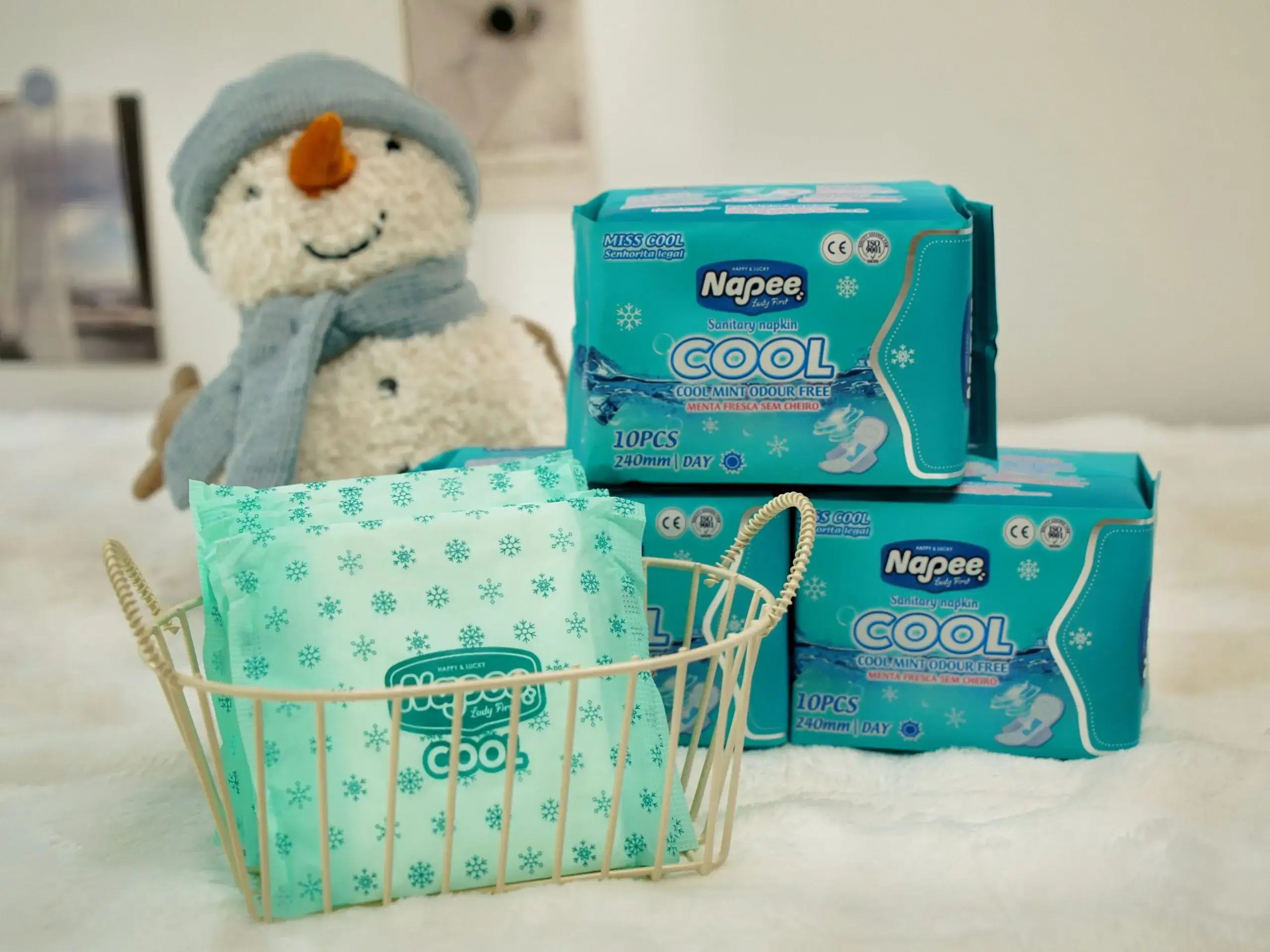
Applicable Scenarios of Feminine Hygiene Products Wholesale
The procurement strategy changes dramatically depending on the end-use scenario. Bulk purchasing is not exclusively the domain of retail distributors; various sectors require reliable access to these goods.
Commercial Distributors and Importers
For traditional retail supply chains, the primary focus is on balancing unit cost with shelf appeal. Distributors moving bulk sanitary napkins to extensive networks of convenience stores or regional supermarkets need products that offer attractive profit margins. In this scenario, standardized packaging, reliable monthly production capacity, and predictable international shipping logistics are the most critical factors.
Institutional Procurement
Large institutions—such as university campuses, corporate office buildings, and hospital networks—often purchase Bulk Feminine Hygiene Products to stock public restrooms or provide for patients. These buyers usually prioritize purely functional, individually wrapped items over flashy retail packaging. The purchasing cycle here is often contract-based (e.g., annual supply tenders), making consistent, long-term pricing stability the top priority.
NGOs and Charity Organizations
A significant and growing sector of large-scale procurement comes from Non-Governmental Organizations (NGOs) and charities actively fighting period poverty. These organizations often distribute supplies in disaster relief zones, developing nations, or underfunded school districts. When sourcing for humanitarian efforts, alignment with global health standards is essential. Procurement managers in this sector often reference guidelines similar to the World Health Organization’s frameworks for Menstrual Health and Hygiene (MHH) to ensure the dignity and safety of the end-users. For NGO buyers, cost-effectiveness is vital to maximize the reach of their funding, but it must never come at the expense of basic hygiene safety.

A Step-by-Step Guide to the Sourcing Process
Transitioning from initial research to placing a massive bulk order involves a systematic approach to mitigate financial and operational risks.
- Initial RFI (Request for Information): Shortlist 5 to 10 potential manufacturers and request their basic product catalogs, company profiles, and proof of certifications.
- Sample Testing: Never bypass the sampling phase. Request samples of various absorbency levels. Conduct in-house tests (like pouring a specific volume of saline solution to test absorption speed and surface dryness) before moving forward.
- Factory Audits: If possible, conduct a third-party factory audit. This ensures the facility actually exists, operates ethically, and maintains the required sanitary conditions.
- Trial Orders: Before committing to a massive annual contract, negotiate a smaller pilot run to test the factory’s communication, adherence to timelines, and the consistency of the final shipped goods compared to the initial samples.
Supplier Audit Checklist
To streamline the evaluation phase, utilizing a standardized audit checklist is highly recommended.
| Evaluation Category | Specific Checkpoints | Importance Level |
|---|---|---|
| Facility Environment | Dust-free workshop status? Enclosed production lines? Pest control measures in place? | Critical |
| Quality Control (QC) | In-house testing laboratory? Metal detection on the assembly line? Visual defect inspection protocols? | Critical |
| Production Capacity | Number of active production lines? Estimated daily output per SKU? Lead time for peak seasons? | High |
| Business & Ethics | Valid export licenses? Social compliance (no child labor, fair wages)? Clear terms for defective product compensation? | High |
Conclusion
Successfully sourcing wholesale feminine hygiene products is a multidimensional process that extends far beyond casual vendor selection. By understanding the shifting dynamics of consumer demand, prioritizing stringent quality and compliance standards, and rigorously auditing potential manufacturing partners, wholesale buyers can establish a secure and highly profitable supply chain. Whether supplying regional retail networks, supporting institutional infrastructure, or aiding global humanitarian efforts, making informed, data-backed procurement decisions ensures long-term business viability and, most importantly, the health and safety of the end consumer.
FAQ
1. How do I verify the absorption capacity of pads before placing a bulk order?
Evaluating absorption isn’t just about feeling the thickness of the pad; it requires measurable testing. While requesting third-party laboratory reports (such as SGS or Intertek testing) from the supplier is standard practice, buyers should also conduct empirical tests on physical samples. The industry standard involves testing both total absorption capacity (how much liquid it holds before leaking) and the retention rate under pressure (simulating body weight to ensure liquid doesn’t seep back to the surface). Request the factory’s technical data sheet detailing the exact gram weight of SAP used per unit.
2. What is the typical shelf life of feminine hygiene products in wholesale storage?
Generally, well-manufactured sanitary napkins and panty liners typically have a shelf life of 2 to 3 years from the date of manufacture, depending on materials and packaging. However, this is heavily dependent on storage conditions. Because the absorbent core relies on materials designed to pull in moisture, storing bulk inventory in highly humid environments without climate control can degrade the SAP’s effectiveness and compromise the adhesive backing. Wholesale warehouses must be dry, well-ventilated, and kept out of direct sunlight to maintain the integrity of the bulk stock.
3. Can manufacturers customize the internal wrapper and outer packaging for private label brands
Yes, almost all capable OEM manufacturers offer extensive customization. However, buyers must be aware of how this impacts costs. Customizing the outer plastic or biodegradable bag usually requires paying a one-time “cylinder charge” for the printing plates (one plate per color used in the design). Additionally, custom printing on the individual internal release paper or wrapping film often carries its own specific, and sometimes higher, Minimum Order Quantity (MOQ) compared to using the factory’s blank or generic stock wrappers.