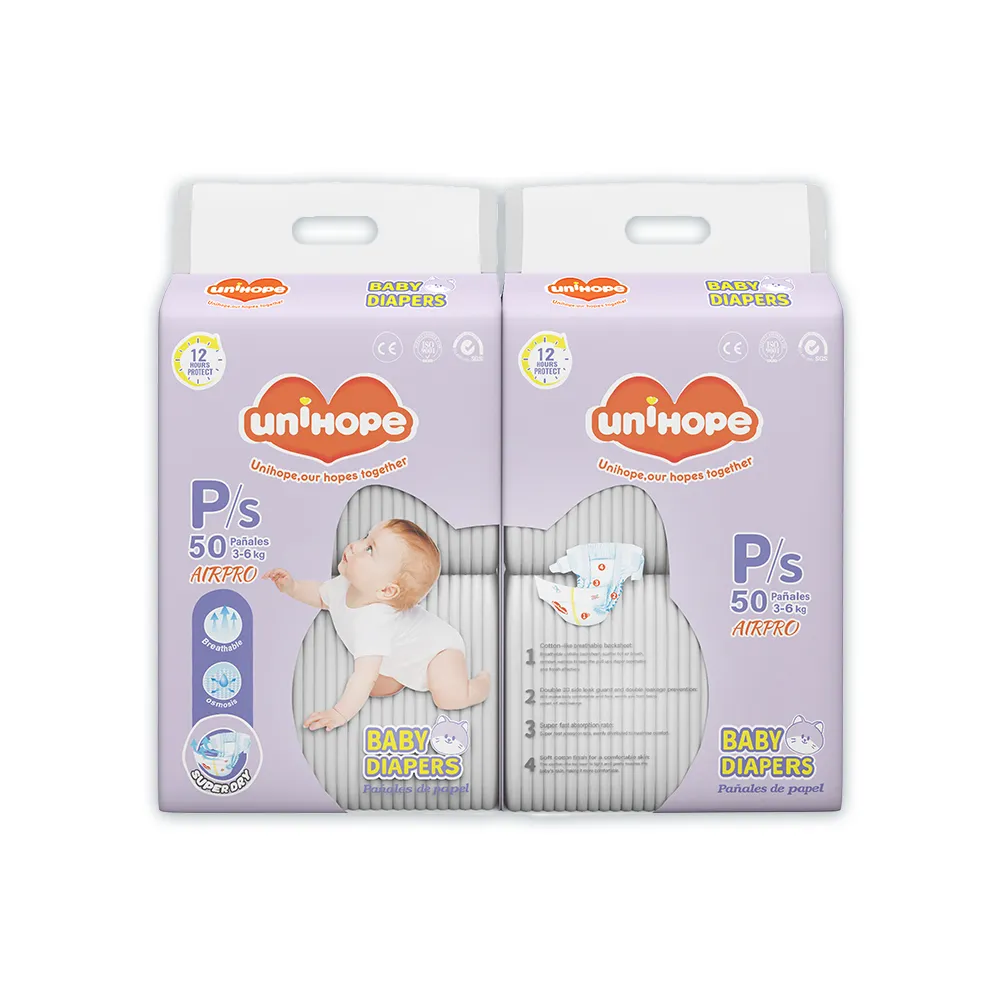
Choosing incontinence products can feel a little more complicated than it should, mostly because there are several styles that sound similar but work quite differently. The good news is that the range of Adult Diapers on the market usually makes it easier to match protection to real life, whether that means overnight support, a more discreet daytime option, or backup protection for beds and chairs.
What tends to matter most is not just absorbency, but also mobility, comfort, and how much help is needed during changes. Some products are better for active routines. Others are made for heavier leakage or limited movement. And sometimes, a combination works better than one single product.
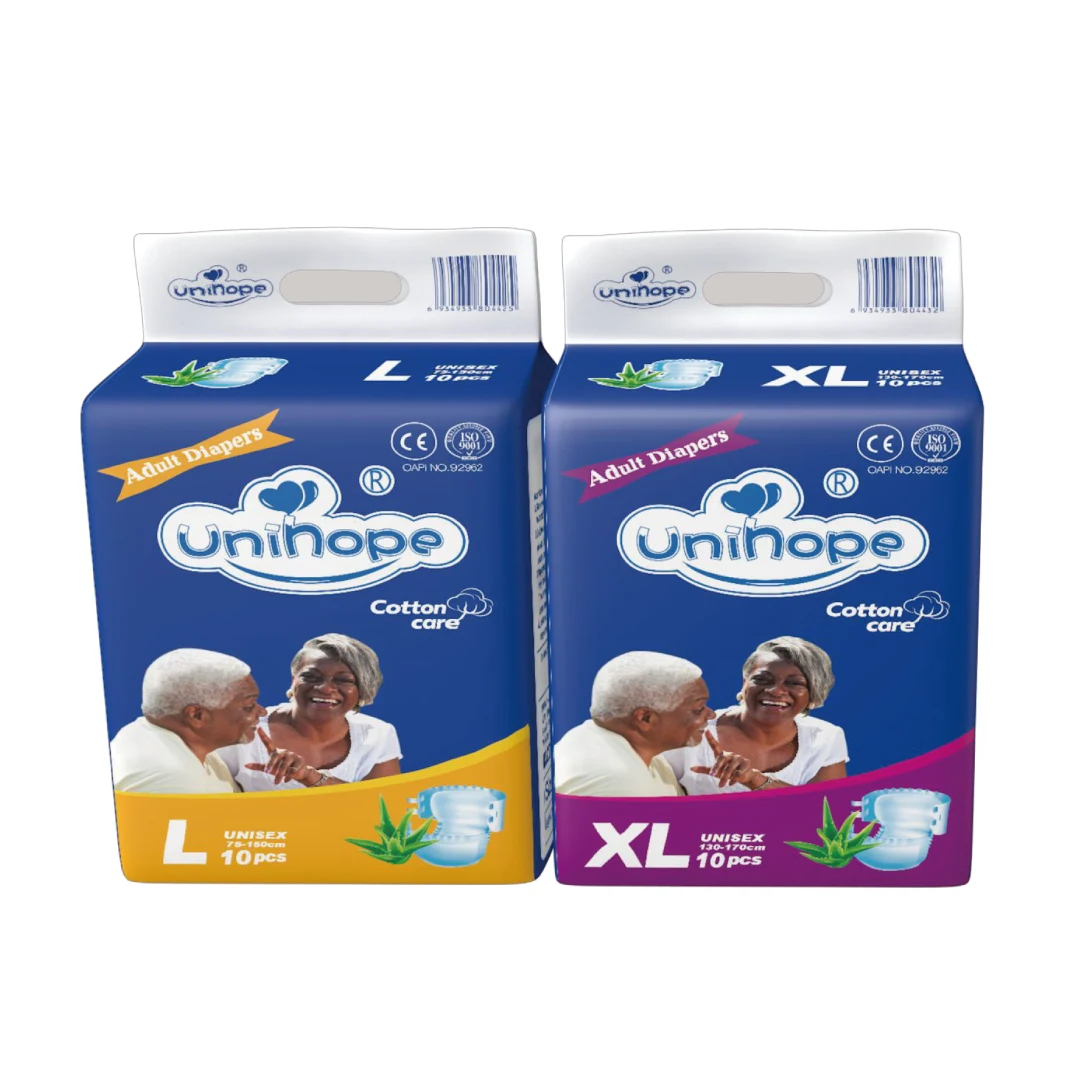
Why Different Adult Diaper Types Matter
Incontinence looks different from person to person, and the right product often depends on the situation rather than just the condition itself. A person who walks independently may want something that feels close to regular underwear. Someone recovering from surgery may need faster changes and stronger leakage control. Caregivers, too, usually notice that one style is easier to manage than another.
A few factors tend to shape the choice:
- Level of leakage
- Daytime versus nighttime use
- Ease of changing
- Fit around the legs and waist
- Skin sensitivity
- Need for discretion under clothing
That is why it helps to look at adult incontinence products by type instead of assuming one format does everything well.
Tape-Style Adult Diapers: Reliable for Heavy Protection
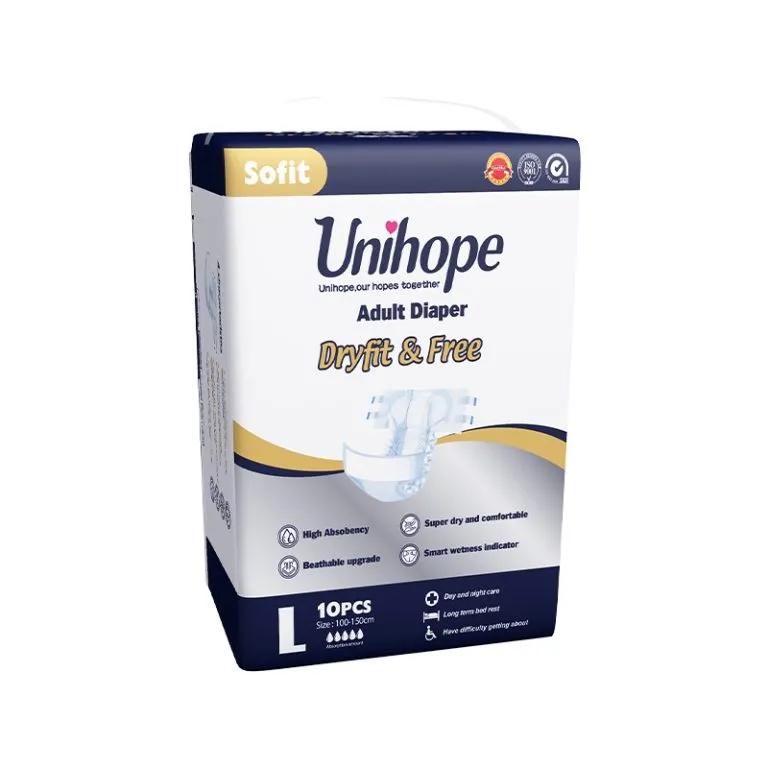
Tape-style briefs are often the most secure option for moderate to heavy incontinence. They use adjustable side tabs, which makes them easier to fasten snugly and refasten if needed. That adjustable fit is a big part of why they remain a go-to choice in care settings and for overnight wear.
These briefs also tend to work well when frequent changing is expected. They can be opened and closed without fully removing clothing, which is helpful for caregivers and for anyone who needs a product that can be checked often.
Best uses for tape-style briefs
- Overnight protection
- Bedridden or low-mobility users
- Heavy leakage
- Caregiver-assisted changes
- Longer stretches between bathroom visits
For people looking for dependable coverage, this style is often the practical answer. The fit can feel a little more “medical” than other options, but that same structure is part of what gives it strength and containment.
Pull-Up Pants: Discreet and Comfortable for Active Use
Pull-up styles are usually preferred by people who want a more familiar, underwear-like feel. They are worn by stepping in and pulling them up, which makes them feel less bulky and more discreet under everyday clothing. For many users, that alone makes them easier to accept and wear consistently.
The selection of adult pull up pants is often appealing to people who are still fairly mobile and want something that supports independence. They are commonly used for mild to moderate incontinence, especially during the day.
Where pull-ups tend to fit best
- Walking and standing users
- Daytime errands or social events
- Light to moderate leaks
- Situations where discretion matters
- People who prefer a routine that feels like normal underwear
They are not always the strongest option for heavy overnight use, but in many daily routines they strike a nice balance between comfort and protection. There is also something reassuring about a product that feels less noticeable during the day.

Pads and Liners: A Flexible Option for Light Leakage
Pads and liners are usually meant for lighter leakage or as an extra layer of protection. They fit inside regular underwear, which makes them one of the simplest options to use. They are often chosen when leakage is occasional rather than continuous.
A pad can be a good match when:
- Leakage is light or infrequent
- The user wants a smaller, less visible product
- A backup layer is needed alongside another product
- Breathability matters more than high-volume absorption
Pads are also commonly used when the goal is to catch small leaks quickly rather than manage a full void. That is a subtle difference, but an important one. A product that works beautifully for spotting may not be enough for someone needing stronger containment.
Underpads: Extra Protection for Beds, Chairs, and Surfaces
Underpads are a bit different from worn products because they protect surfaces instead of replacing absorbent underwear. They are often placed on beds, recliners, sofas, or wheelchairs to catch leaks and help keep bedding dry. For many households, they become a quiet but very useful part of the routine.
The range of adult under pads is especially useful during nighttime care, recovery periods, or any situation where extra surface protection feels practical. They can also make clean-up easier, which is something caregivers tend to appreciate quickly.
Underpads are best thought of as support products rather than standalone incontinence solutions. They work well in combination with briefs, pull-ups, or pads.
Which Type Fits Which Need?
Here is a simple comparison that may help narrow things down.
| Product Type | Best Fo | Absorbency Level | Discretion | Ease of Changing | Typical Use |
|---|---|---|---|---|---|
| Tape-style briefs | Heavy leakage, caregiving, overnight wear | High | Moderate | Very easy for caregivers | Bedtime, assisted care |
| Pull-up pants | Active users, daytime wear | Light to moderate | High | Easy for independent users | Daily routines, outings |
| Pads/liners | Small leaks, backup protection | Low to moderate | Very high | Very easy | Light spotting, added support |
| Underpads | Beds, chairs, wheelchairs | Varies by product | N/A | Easy to replace | Surface protection |
It is worth noting that preferences can shift. A product that feels ideal during recovery may not be the one that works best a month later. That is fairly common.
How to Choose the Right Product Without Overthinking It
The simplest way to choose is to start with the toughest question: what kind of leakage is actually happening?
If the answer is heavy or overnight, tape-style briefs usually make sense. If the need is lighter and the goal is a familiar fit, pull-ups are often the better pick. If the issue is only occasional, pads may be enough. And if the real concern is protecting a mattress or chair, underpads can make the whole setup easier.
A few practical considerations help narrow it down:
- Mobility: standing and stepping into a product vs. needing tabs
- Skin comfort: softness, breathability, and fit
- Timing: daytime use, nighttime use, or both
- Backup needs: whether surface protection is also necessary
- Changing routine: self-managed or caregiver-assisted
There is also a small but important habit that seems to help: match absorbency to actual use, not imagined worst-case scenarios. Too much bulk can be uncomfortable, while too little protection leads to frustration.
For a broader medical overview, the National Institute on Aging offers helpful guidance on bladder and bowel incontinence, and the Cleveland Clinic provides a useful breakdown of common causes and treatment approaches. For more basic patient-friendly information, MedlinePlus is also a solid reference.
A Few Practical Tips for Better Comfort and Protection
Even the right product can feel off if the fit or routine is not quite right. Small details matter more than people expect.
- Check leg openings for gaps or pinching
- Change products before they become overly saturated
- Keep skin clean and dry as often as possible
- Use underpads when leaks may reach bedding or furniture
- Revisit product choice if mobility or leakage patterns change
These little adjustments often make a bigger difference than switching to the “most absorbent” product available.
FAQ
How do absorbent products affect skin health over time?
Moisture buildup can irritate skin if changes are delayed too long. Breathable materials, regular changes, and gentle cleansing tend to help reduce that risk.
Can more than one product be useful in the same routine?
Yes, and that is fairly common. For example, a pull-up might be worn during the day while an underpad is used at night for extra surface protection.
Is there a difference between products for travel and products for home use?
Often, yes. Travel usually favors slimmer, more discreet options, while home routines may allow bulkier products with higher absorbency or more frequent changes.