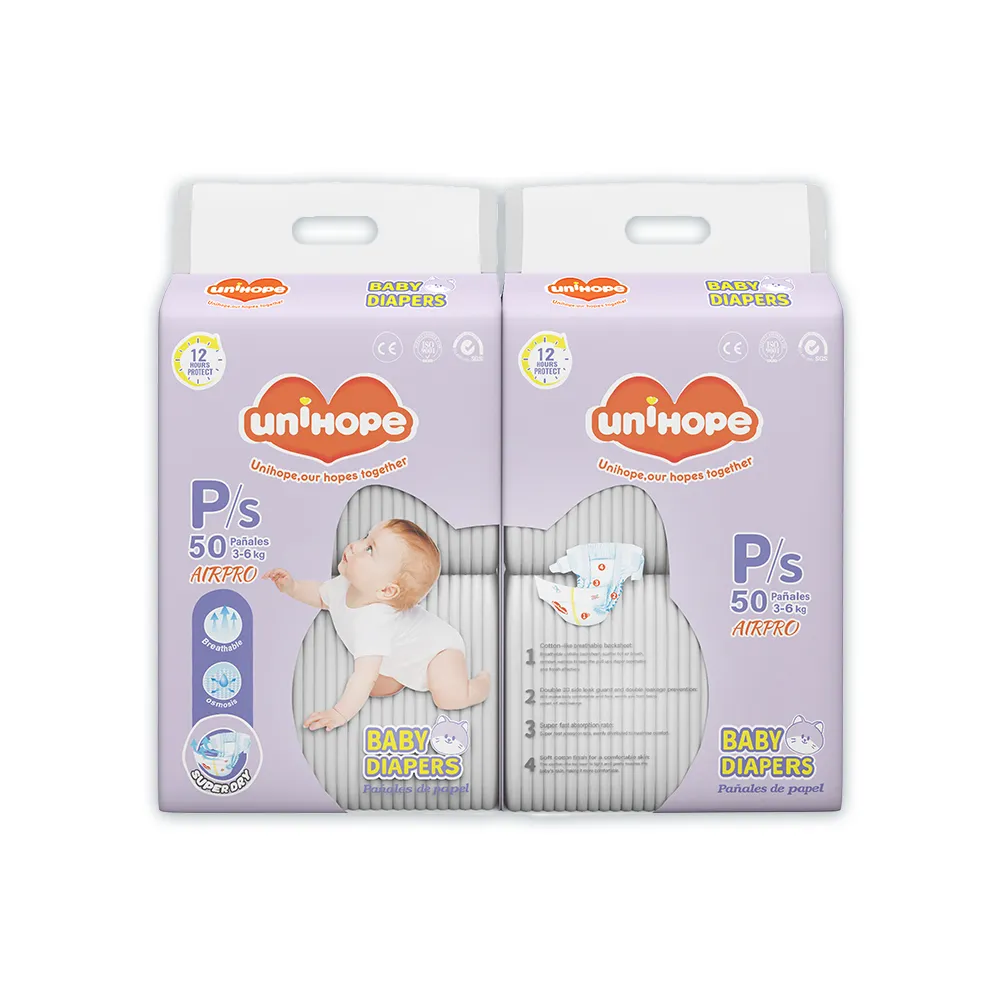
What Panty Liners Are Designed to Do
Panty Liners are made for light everyday protection, not for long hours of heavy moisture or menstrual flow. They can help with light discharge, spotting, and a little backup freshness on busy days. That said, comfort tends to drop once a liner stays damp for too long.
Many people reach for liners during travel, after a period, on light discharge days, or when they want a bit of extra security in regular underwear. The key is using them as a short-term hygiene aid, not something to wear indefinitely. This distinction matters because liners are engineered with a thinner absorbent core than menstrual pads, meaning they reach saturation faster. When the core can no longer wick moisture away from the surface, the top layer remains damp against the skin, creating the conditions that lead to discomfort.
The typical panty liner is only a few millimeters thick, which is part of its appeal—it disappears under clothing and is barely noticeable during wear. But that same thinness means the absorbent capacity is limited by design. A liner worn past its functional limit stops being a hygiene aid and starts becoming a source of the very moisture and friction it was meant to prevent.
How Often Should You Change Panty Liners?
For people who use liners regularly, keeping extra supplies on hand can make it easier to stay consistent with timely changes, and Panty Liner Bulk options may be a practical choice for stocking up.
Health guidance from organizations such as the NHS and Cleveland Clinic consistently emphasizes keeping the vulvar area clean, dry, and irritation-free. When a liner traps moisture, the skin can become uncomfortable more quickly. The three-to-four-hour guideline is not an arbitrary number—it reflects the point at which most liners begin to lose their moisture-wicking effectiveness under normal conditions. After four hours, the combination of body heat, natural discharge, and ambient humidity typically saturates the absorbent core enough that the surface layer no longer feels dry to the touch.
Why the Change Interval Matters
The vulvar skin lacks the thick protective keratin layer found elsewhere on the body, making it unusually susceptible to maceration—the softening and breakdown of skin from prolonged moisture exposure. When a damp liner sits against this delicate tissue for extended periods, the skin barrier weakens, microscopic cracks can form, and the risk of irritation or secondary infection increases. Changing liners on schedule is therefore not merely a matter of comfort but a proactive measure for skin health.
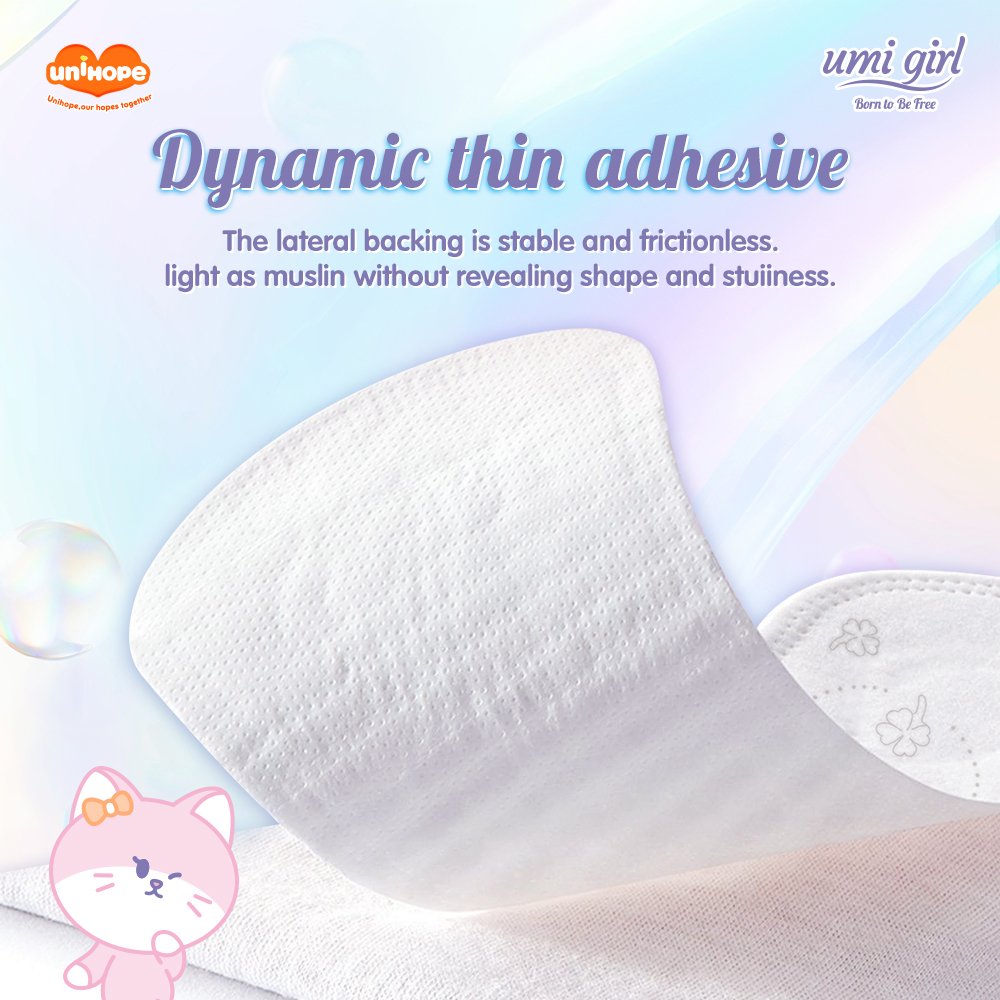
Signs It Is Time to Change Sooner
- The liner feels wet or sticky
- There is visible discharge buildup
- Odor becomes noticeable
- The liner bunches or rubs
- Itching or irritation starts
Paying attention to these signals is more reliable than watching the clock alone. On a cool, sedentary day with minimal discharge, a liner may remain comfortable for the full four hours. On a hot, active day with heavier discharge, the same liner may need changing after two hours or less.
What Affects How Long a Liner Feels Fresh
Several things can shorten wear time:
| Factor | Why it matters |
|---|---|
| Heat and humidity | Moisture builds faster |
| Exercise or walking | More friction and sweat |
| Discharge volume | Faster saturation |
| Fit and material | Poor fit can cause bunching |
| Skin sensitivity | Irritation may appear sooner |
In warmer weather or during a long commute, it is often better to check the liner earlier than usual. The same goes for busy workdays when there may not be many breaks. Urban commuters who spend extended periods in transit, workers in non-air-conditioned environments, and anyone living in tropical or subtropical climates should consider shortening the change interval as a matter of routine rather than waiting for discomfort to prompt action.
Activity Level as a Variable
Physical activity introduces sweat into the equation, and sweat combined with the liner’s own absorbed moisture creates a doubly saturated environment. After a workout, a brisk walk, or any activity that raises body temperature, changing the liner immediately is advisable even if the clock says it has only been two hours. The post-exercise window is when moisture-related irritation risk peaks, and a fresh liner provides the clean, dry surface the skin needs to recover
Hygiene Guidelines That Actually Help
A few simple habits make a noticeable difference:
- Choose the right absorbency for the day.
- Replace the liner before it feels fully saturated.
- Wear breathable underwear when possible.
- Avoid using one liner for the whole day.
- Stop using it if irritation develops.
Choosing the Right Amount for Daily Use
For readers comparing product types, the broader Feminine Care Peoducts category can help narrow down options based on daily comfort and usage needs.
When to Skip All-Day Wear
All-day wear is not ideal if the liner stays damp, if there is recurring itching, or if discharge changes suddenly. A liner should support freshness, not become the reason for discomfort. If symptoms look unusual or persist, a medical check is a better move than simply changing products.
There are also specific scenarios where going liner-free is the healthier choice. During a yeast infection, for example, the priority is keeping the area as dry and ventilated as possible, and any occlusive product works against that goal. Similarly, if the skin is already irritated from chafing, razor burn, or an allergic reaction, adding a liner on top of compromised skin can slow healing. Recognizing when to pause liner use is as important as knowing when and how often to change them.
Listening to Your Body
The most underrated hygiene tool is self-awareness. A liner that feels comfortable on Monday may feel irritating by Wednesday if stress, hormonal shifts, or weather have changed the body’s baseline. There is no merit in sticking rigidly to a product or schedule when the body is clearly signaling otherwise. Adjusting frequency, absorbency, or even taking a complete break from liners for a day or two is a valid and often effective response to early signs of irritation.
Conclusion
The simplest rule is this: change panty liners every three to four hours, or sooner if they feel damp or irritating. Good hygiene is less about keeping a liner on as long as possible and more about staying clean, dry, and comfortable throughout the day. The product is there to serve the body, not the other way around, and a liner that has stopped feeling fresh has stopped doing its job. Developing the habit of proactive changing—before discomfort arrives—is the single most effective way to make panty liners a safe, comfortable, and sustainable part of a daily hygiene routine.
FAQ
Can panty liners be worn overnight?
They can be, but only if they stay dry and comfortable. For many people, overnight use is better reserved for very light protection, not regular daily wear.
Do panty liners help with odor?
They may help with freshness, but they do not solve odor caused by infection or unusual discharge. Persistent odor should be checked by a healthcare professional.
Is it normal to change panty liners more than once a day?
Yes. Many people change them multiple times a day, especially in hot weather, during travel, or when discharge is heavier than usual.