Toddlers have a way of outgrowing things quietly at first. A shirt gets a little shorter, shoes become harder to slip on, and suddenly the diaper that worked last week starts leaking during nap time. The same thing happens with pull-up diapers. Because they are designed to move more like underwear, the fit can change quickly as a child becomes more active, taller, or heavier.
A good pull-up should feel secure without squeezing. It should let a toddler crawl, climb, squat, run, and practice potty routines without bunching or sliding. Choosing the right pull-up diapers can make daily changes easier and help reduce leaks, irritation, and the small frustrations that build up during toilet training.
Still, sizing is not only about the weight range on the package. Body shape, absorbency needs, sleep habits, and mobility all matter. Here are five signs it may be time to move up a size.
Quick Fit Check: What a Good Pull-Up Should Look Like
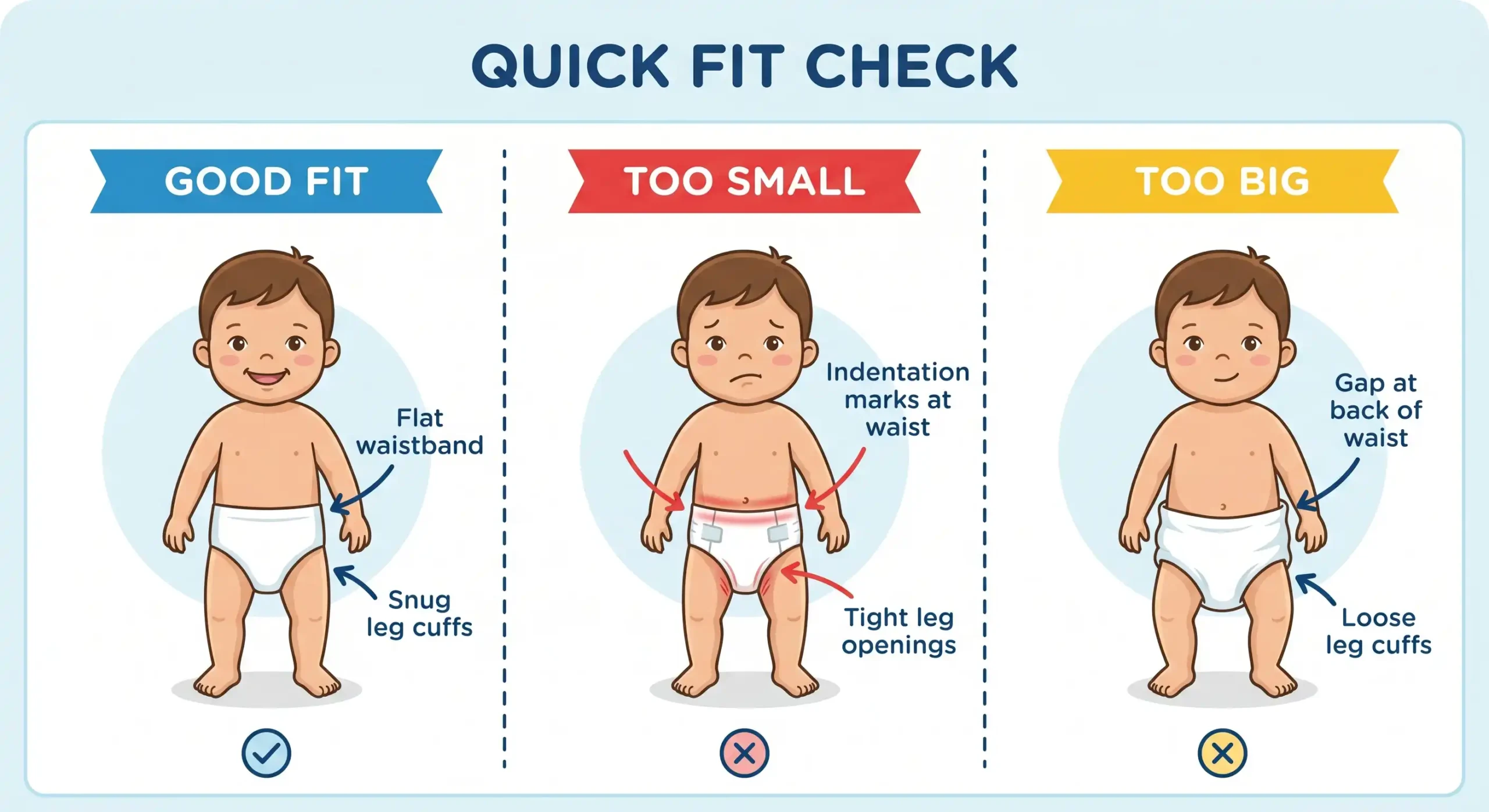
Before looking at the warning signs, it helps to know what “right fit” actually means. Pull-ups should sit comfortably at the waist, seal gently around the thighs, and stay in place as the child moves.
| Fit Area | Good Fit | Too Small | Too Big |
|---|---|---|---|
| Waistband | Snug, soft, and level | Digs in or rolls down | Gaps at the back |
| Leg openings | Light seal around thighs | Leaves deep red marks | Loose or sagging |
| Movement | Easy to bend, walk, and squat | Pulls, pinches, or bunches | Slides down during play |
| Absorbency | Handles normal wetting | Soaks through quickly | Leaks due to poor seal |
1. Red Marks Appear Around the Waist or Thighs
A faint mark from elastic can happen, especially after sleep or long periods of sitting. But deep, angry-looking marks around the belly or thighs are different. They usually mean the diaper pants are pressing too firmly into the skin.
This is especially common with active toddlers. Squatting, climbing, and crawling can make tight leg cuffs dig in more than they would on a baby lying still. If red marks appear daily or take a while to fade, the current size is probably not giving enough room.
A few practical checks help:
- Look at the skin after naps and overnight sleep.
- Check whether the waistband leaves a tight ring.
- Notice if the child scratches or pulls at the pull-up.
- See whether the leg cuffs are sitting flat or curling inward.
If the pull-up seems to fit when standing but leaves marks after movement, the next size may offer better stretch and comfort.
2. Leaks Are Happening More Often
Leaks are one of the clearest signs that something has changed. Sometimes the child is drinking more water, sleeping longer, or going through a growth spurt. Other times, the pull-up simply no longer has enough absorbent coverage for the child’s size.
A too-small pull-up may leak because it cannot sit high enough on the waist or provide enough absorbent area. Moisture may escape near the thighs, up the back, or through clothing sooner than expected. If leaks are causing frequent diaper changes, it is worth checking both size and absorbency.
Leaks may point to sizing up when:
- The pull-up is fully soaked after a short period.
- Pajamas are damp after naps or overnight.
- Leaks happen around the leg openings.
- The waistband feels stretched before use.
- The child’s clothes get wet despite regular changes.
There is one small catch: leaks can also happen when the diaper is too large. If there are visible gaps around the legs or back, the issue may be loose fit rather than lack of absorbency. But if the pull-up looks tight and leaks anyway, sizing up is often the next sensible step.
3. The Pull-Up Is Hard to Pull Up or Down
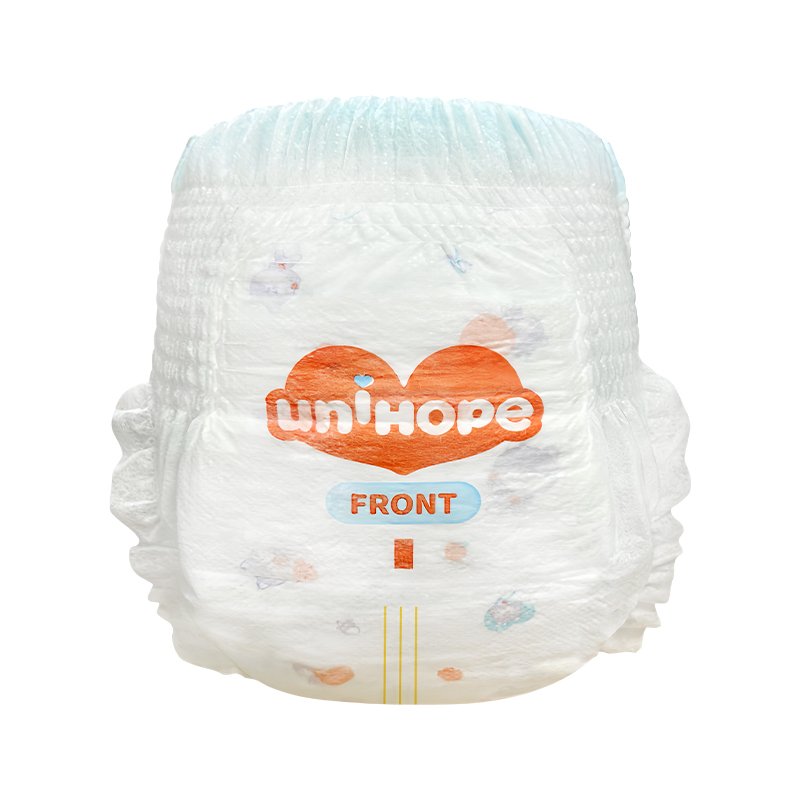
Pull-up style diapers are meant to work somewhat like underwear. That matters during potty training because toddlers often need to practice pulling them up and down with help, and eventually on their own.
If the pull-up gets stuck at the thighs, requires a lot of tugging, or twists every time it is pulled on, the size may be too small. A snug fit is good; a wrestling match at every change is not.
This sign is easy to overlook because caregivers may assume the child is simply being wiggly. And, honestly, toddlers often are. But when the same struggle happens every time, especially after a recent growth spurt, fit deserves a second look.
A properly sized training pant should:
1.Stretch easily over the hips.
2.Sit flat at the waist.
3.Pull down without rolling into a tight band.
4.Allow the child to sit and squat comfortably.
If a child is between sizes, trying a small pack in the next size can be more useful than relying only on the printed weight range.
4. The Waistband Rolls, Bunches, or Sits Too Low
The waistband tells a lot. When it rolls down, folds into the belly, or sits too low on the hips, the pull-up may not have enough rise for the child’s torso. This can happen even if the child is technically within the recommended weight range.
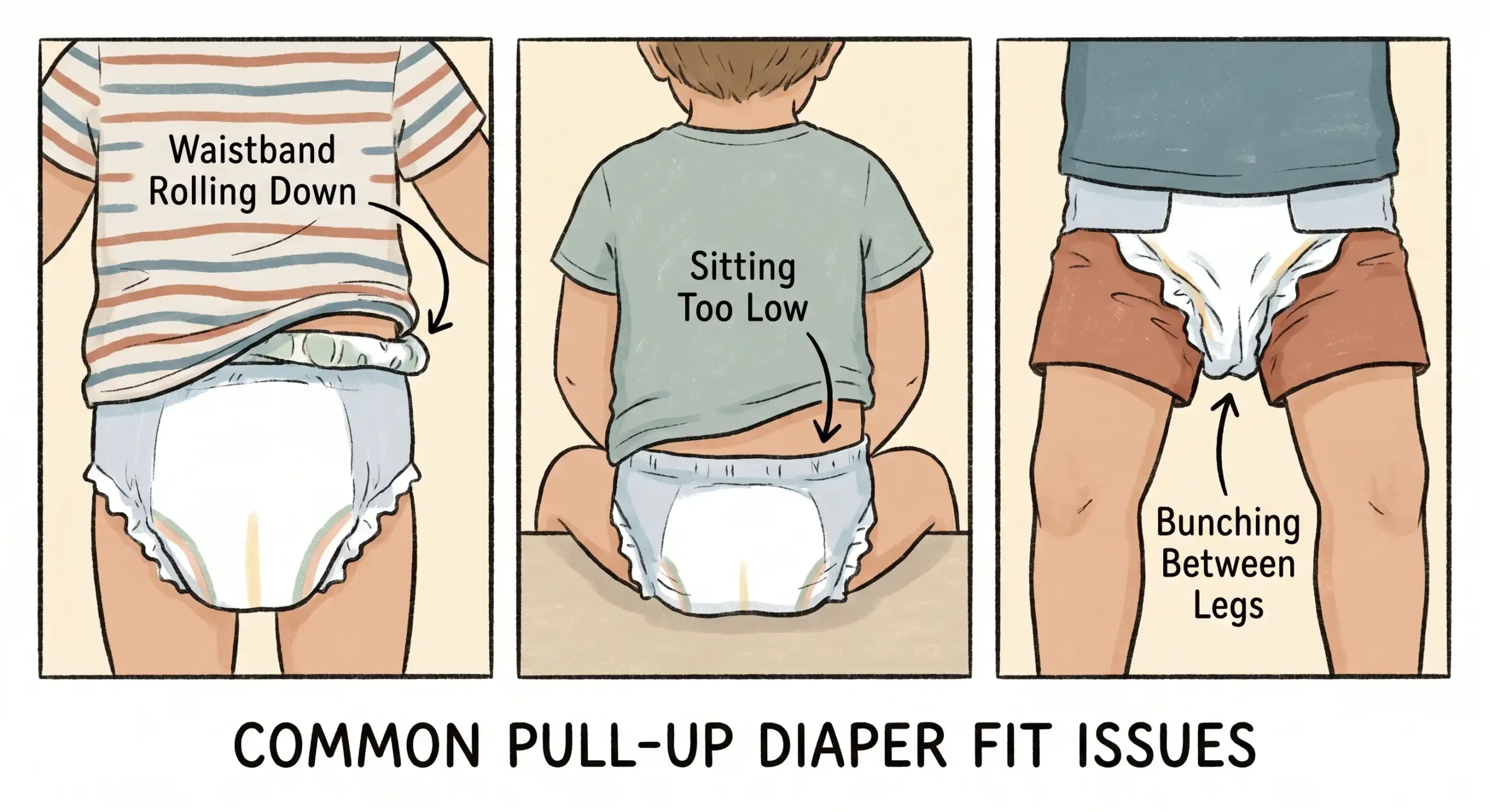
A low-sitting pull-up can lead to back leaks, especially during sleep or car rides. Bunching between the legs can also affect how well moisture is absorbed. Instead of staying spread through the absorbent core, wetness may collect in one area and escape.
| Situation | Best Next Step |
|---|---|
| No leaks, no marks, child is comfortable | Stay with current size |
| Red marks appear regularly | Try one size up |
| Overnight leaks increase | Consider larger or overnight pull-ups |
| Pull-up slides down | Current size may be too big |
| Child is near the top of the weight range | Compare with the next size |
These signs are sometimes subtle. Many parents notice them only after the laundry pile grows or the child starts tugging at the waistband more often.
5. Your Child Has Reached the Top of the Weight Range—or Seems Uncomfortable
Weight ranges are helpful, but they are not perfect. Two toddlers can weigh the same and fit very differently in the same size. One may have chunkier thighs, another a longer torso, and another a rounder belly. Pull-Up Diapers need to match the child’s shape as much as the number on the scale.
If a child is close to the top of the size range, sizing up may prevent problems before they become routine. Behavioral signs matter too. A toddler who suddenly resists changes, walks stiffly, pulls at the sides, or says the diaper feels “tight” may be responding to discomfort.
Comfort is not a small detail. During toilet training, a child who feels restricted may be less willing to participate in bathroom routines.
How to Size Up Without Causing New Leaks
Sizing up too quickly can create gaps, so it is smart to test the next size before switching completely.
Try this simple approach:
1.Use the next size during daytime first.
2.Check the waist and leg openings after active play.
3.Watch for gaps when the child sits, squats, or bends.
4.Test overnight only if the daytime fit looks secure.
5.Compare leaks, comfort, and skin marks over two or three days.
If the larger size reduces red marks and holds wetness better without sagging or gapping, it is probably the right time to move up.
Pull-Up Diapers and Potty Training Fit
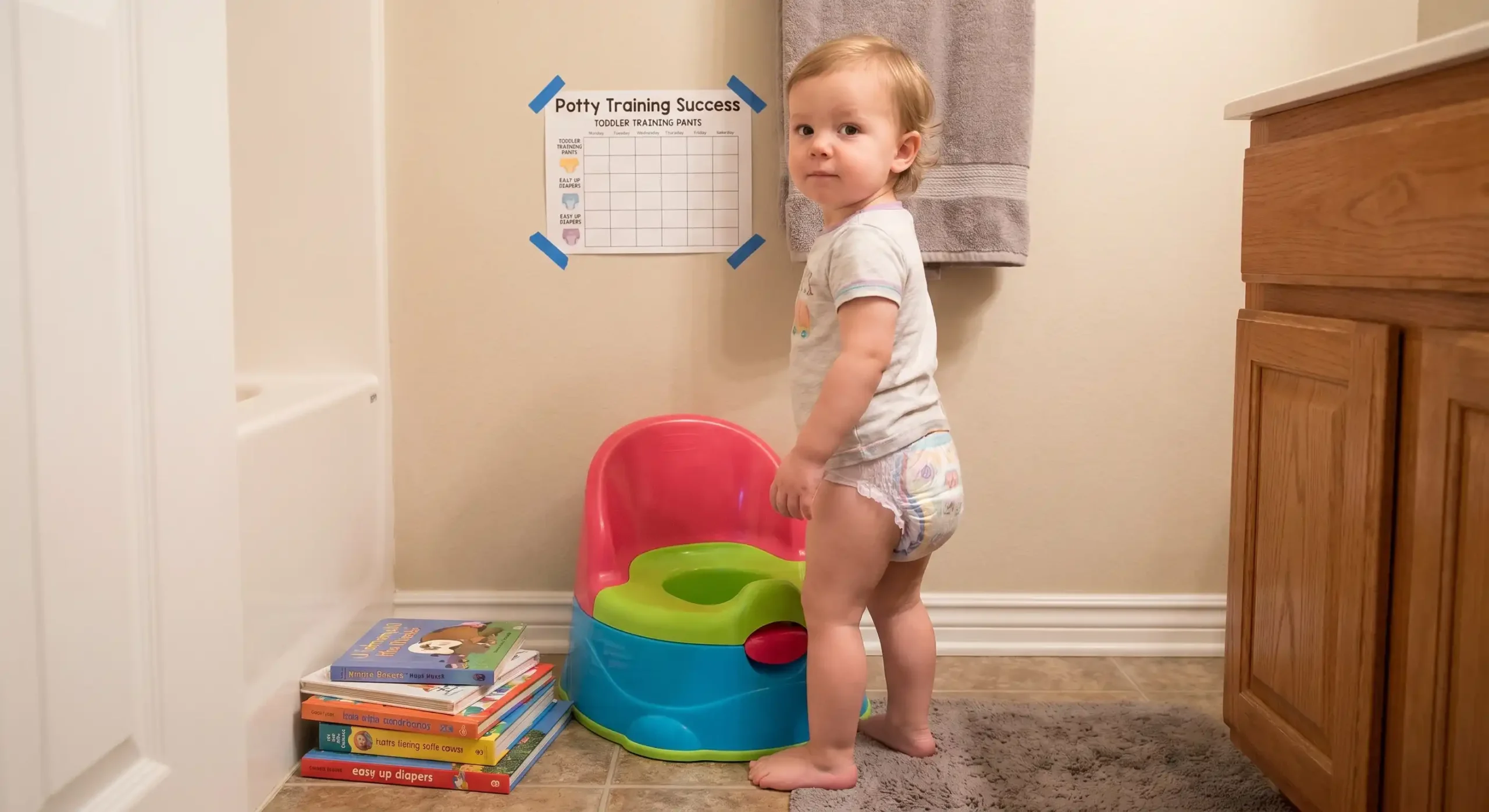
During potty training, fit can affect more than dryness. A pull-up that is too tight may be hard for a toddler to manage independently. One that is too loose may feel bulky and awkward under clothes.
The best fit supports movement and practice. It should be easy enough to pull down for bathroom trips but secure enough for naps, daycare, errands, and playtime. Keeping a few essential baby care products ready, including the next diaper size, can make growth spurts less stressful.
Conclusion
The five biggest signs it is time to size up Pull-Up Diapers are red marks, more leaks, difficulty pulling them up or down, rolling or bunching at the waistband, and clear discomfort or outgrowing the weight range.
A better size should feel comfortable, move with the child, and reduce unnecessary leaks. When the next size improves comfort without creating gaps, the timing is probably right.
FAQ
Can Pull-Up Diapers Be Used Overnight?
Yes, many toddlers use pull-ups overnight, but absorbency needs vary. Heavy wetters may need overnight training pants or a more absorbent option. A close seal around the thighs and back is especially important during sleep.
Should Pull-Ups Fit Tighter Than Regular Diapers?
They should fit snugly like soft underwear, but they should not pinch, dig into the skin, or limit movement. The waistband should stretch comfortably and return to shape after being pulled up.
Is It Better to Size Up Early During Potty Training?
Sometimes, especially if the child is near the upper weight range or struggling to pull the diaper up and down. But sizing up too early can cause leaks, so it is best to test fit during daytime before fully switching.