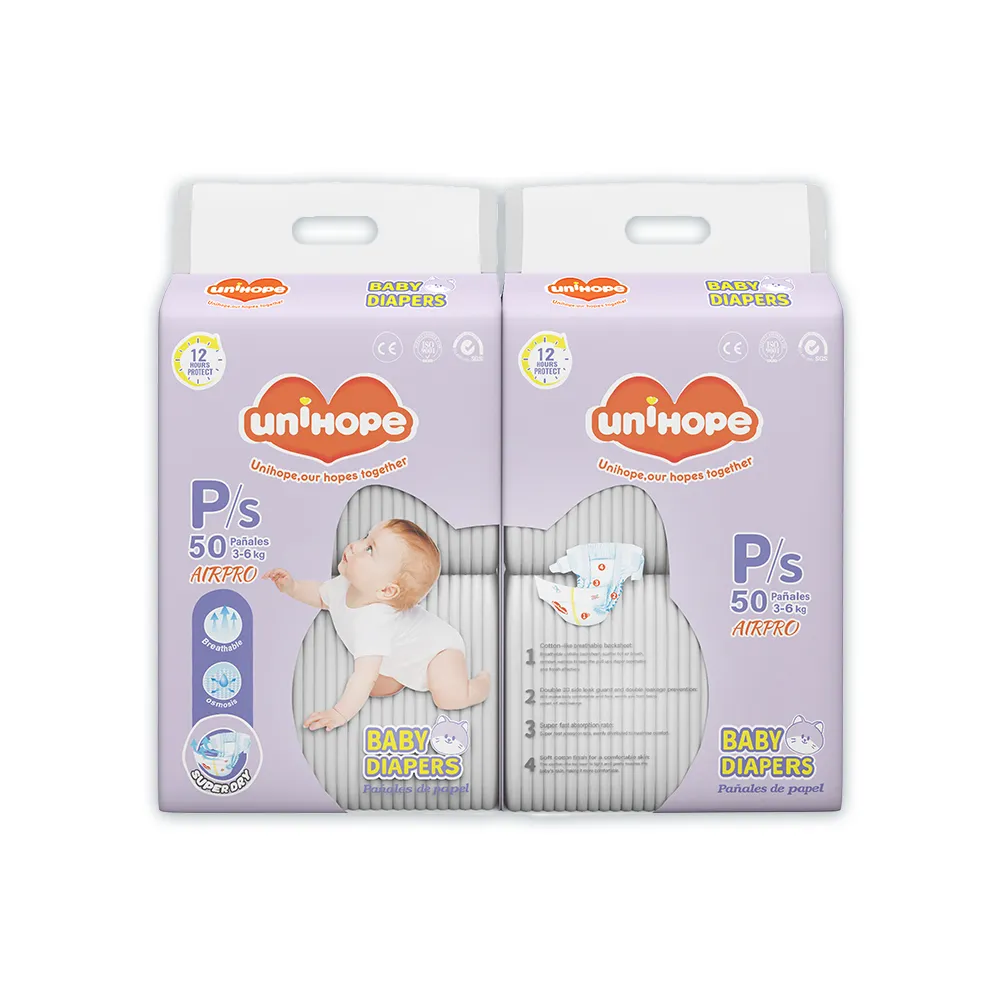
In the baby hygiene category, understanding the timeline and market for the Baby Diaper is essential for manufacturers, distributors, and wholesale buyers. This article explores when babies stop wearing diapers, discusses what triggers the end of the diaper phase, and examines how B2B partners in the diaper supply chain should approach planning, inventory, and product strategy around the baby diaper transition.
Understanding the Baby Diaper Lifecycle
In baby care product supply chains, the baby diaper lifecycle begins with newborn and infant stages and ends when the child transitions out of diapers. The key term “when do babies stop wearing diapers” serves as a pivotal market query for both retailers and business buyers in the diaper industry. It is important for diaper manufacturers and suppliers to track this lifecycle because it affects product demand, packaging sizes, channel timing, and buying cycles.
What Determines the Transition from Diapers?
Several factors influence when babies stop wearing baby diapers. While individual children vary, supply-chain professionals must pay attention to these dynamics in aggregate:
Developmental readiness: Children typically begin showing signs of potty-training readiness, which signals a decline in diaper usage.
Parental and caregiver behaviour: Decisions around when to stop diapers are influenced by cultural norms, caregiver routines, and geographic market dynamics.
Product adoption: Transitional products (such as training pants) tie into the end-of-diaper stage and thus affect how diaper volumes shift.
Channel shift: As usage declines, demand moves from high volume infant-size diapers to lower-volume or alternate formats.
Between these factors, the keyword “baby diaper transition stage” emerges as meaningful for buyers seeking to align orders and inventory with shifting usage. For more information, see our article The Complete Baby Diaper Timeline: From Newborn to Potty Training. Following this guidance, enterprise buyers can refine forecast models.
When Does Diaper Usage Typically Decline?
From a market perspective, diaper usage declines when the child moves into the potty-training phase and when less frequent overnight usage occurs. For B2B operators, this means:
Stock rotation timing: Inventory for infant-size diapers should be front-loaded; near transition, the demand slows, and training pants or alternative product formats become more relevant.
Product segmentation: Manufacturers and suppliers should plan SKU transitions: infant diaper → toddler diaper → daytime training product.
Marketing and messaging: For distributors, messaging around the diaper lifecycle helps retailers frame shelf-space transitions.
By monitoring search engines and buyer queries around “when do babies stop wearing diapers”, business stakeholders can align supply to demand curves rather than relying solely on historical patterns.
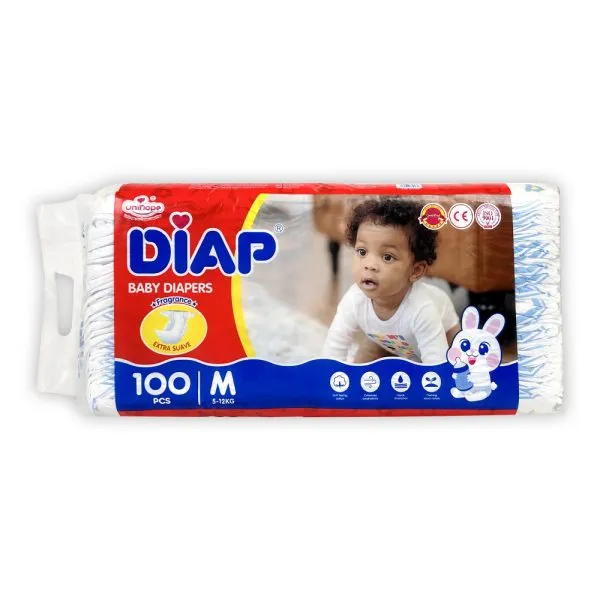
Implications for Diaper Manufacturers and Distributors
For enterprise buyers and suppliers, the question of when babies stop wearing diapers triggers strategic considerations:
Forecasting and demand planning: Using diaper lifecycle insight, suppliers can estimate when demand begins to taper. That enables shifting production and reducing overstocks in the later sizes.
Channel strategy adjustment: As diaper usage declines, training pants or pull up styles may become more prominent. Suppliers should adapt their offering and logistics accordingly.
Stock keeping optimisation: Inventory for baby diaper sizes in the final stages of use should be managed to avoid margin erosion via clearance.
Value proposition and differentiation: In a mature category, emphasising attributes like comfort, skin-safety, and lifecycle fit helps in selling into B2B channels that demand performance and differentiation.
Partnering for Lifecycle Awareness
Supply chain partners, including contract manufacturers, bulk distributors, and retail wholesalers, benefit from embedding lifecycle insights into their operations. For example:
- Regularly monitoring market signals and search behaviour related to “baby diaper end use” supports proactive adjustment.
- Collaborating with marketing and packaging teams ensures that product messaging anticipates the shifting needs of caretakers and retail buyers.
- Engaging retail-channel clients with training and data around the diaper lifecycle builds trust and positions the supplier as a lifecycle expert.
The inclusion of the core keyword “baby diaper” and the long-tail phrase “when do babies stop wearing diapers” throughout this discussion supports search optimisation while remaining aligned with B2B language. According to SEO best practices, one main keyphrase should anchor the article and related LSI keywords should be included naturally.
Conclusion: Strategic Takeaway for Business Buyers
For those operating in the diaper supply chain, the moment when babies stop wearing diapers is not just a milestone for end-users—it is a trigger for strategic adjustment. By understanding the diaper lifecycle, aligning forecasts, adjusting product offerings, and supporting retail partners, manufacturers and distributors can respond efficiently. Monitoring the question “when do babies stop wearing diapers” and related buyer intent signals allows the enterprise to remain agile and focused on shifting demand. Given that baby diaper usage declines gradually rather than abruptly, suppliers who plan across this transition will manage cost, inventory, and channel fit more effectively. If lifecycle trends are monitored and leveraged, the B2B buyer‐supplier ecosystem for baby diaper products will perform robustly.
By integrating lifecycle intelligence into procurement, manufacturing, and distribution planning, businesses in this domain can maintain relevance and responsiveness as end-user behaviour evolves.