Understanding What Drives Adult Diapers Wholesale Pricing
Getting into the adult diapers wholesale market—whether as a distributor, care facility, or retailer—means grappling with pricing that seems to shift depending on who you’re talking to and what you’re ordering. One supplier quotes $0.35 per unit, another comes in at $0.58 for what looks like basically the same product. What gives?
The truth is, adult diaper pricing involves a lot more variables than most buyers initially realize. Material quality, absorbency levels, brand positioning, order volume, even where the product ships from—all of it feeds into that per-unit cost. Understanding these factors helps buyers make smarter decisions and avoid overpaying for features they don’t actually need.
Material Quality and Construction
Core Absorbent Materials
The absorbent core is really where the cost difference lives. Budget products use more fluff pulp and less superabsorbent polymer (SAP). Premium products flip that ratio—more SAP means better absorption in a thinner profile, but SAP costs considerably more than wood pulp.
A diaper with a high SAP content holds more liquid, stays drier against the skin, and generally weighs less. All good things. But that performance bump shows up directly in the price. Facilities prioritizing skin health and overnight protection typically find the added cost worthwhile. For lighter daytime use? Maybe not as critical.
Backsheet and Topsheet Materials
The outer cover (backsheet) and the layer touching skin (topsheet) also vary in quality:
• Plastic backsheets are cheaper but less breathable
• Cloth-like backsheets cost more, feel better, reduce sweating
• Topsheets range from basic nonwoven to aloe-infused or hypoallergenic options
Every upgrade adds a small amount per unit. Multiply that by thousands of units in a wholesale order, and the numbers start adding up.
Absorbency Level and Product Type
Not all adult diapers serve the same purpose. The market segments into different absorbency tiers, and pricing follows accordingly.
| Absorbency Level | Typical Capacity | Common Use Case | Relative Cost |
|---|---|---|---|
| Light | 8 – 15 oz | Mild incontinence, active users | Lower |
| Moderate | 15 – 25 oz | Daytime use, ambulatory adults | Mid-range |
| Heavy | 25 – 40 oz | Nighttime, limited mobility | Higher |
| Maximum/Overnight | 40+ oz | Bedridden patients, extended wear | Highest |
Buyers sometimes make the mistake of ordering maximum absorbency across the board, thinking it covers all situations. It does, technically—but it also means paying premium prices for daytime users who’d be fine with moderate protection. Mixing absorbency levels in adult diapers wholesale orders usually makes better financial sense.
Order Volume and Minimum Quantities
This one’s pretty straightforward but worth stating clearly. Per-unit cost drops as order volume increases. A pallet order beats a case order on pricing almost every time. Container-load quantities from overseas manufacturers bring the unit cost down even further, though with longer lead times and more logistics complexity.
Typical volume pricing tiers look something like:
1. Case quantities (1-10 cases): highest per-unit cost
2. Pallet quantities (20-50 cases): moderate discount
3. Truckload quantities (200+ cases): significant discount
4. Container-direct import: lowest cost, highest commitment
Smaller buyers sometimes pool orders through buying groups or co-ops to hit those better pricing tiers. Worth exploring if the volume requirements seem out of reach individually.
Shipping and Logistics Costs
Adult diapers are bulky. They take up a lot of space relative to their weight, which means shipping costs eat into margins more than with denser products. This dimensional weight issue affects pricing in a couple ways.
Domestic suppliers typically offer better shipping economics for smaller orders—shorter distances, fewer handling steps. Importing directly from manufacturers in Asia drops the product cost but adds ocean freight, customs fees, and inland trucking to the equation. Sometimes the math works out, sometimes it doesn’t. Depends heavily on order size and how urgently the product is needed.
Warehousing costs matter too. Carrying six months of inventory means tying up cash and storage space. That’s a hidden cost that doesn’t show up in the per-unit quote but affects total cost of ownership.
Brand vs. Private Label Considerations
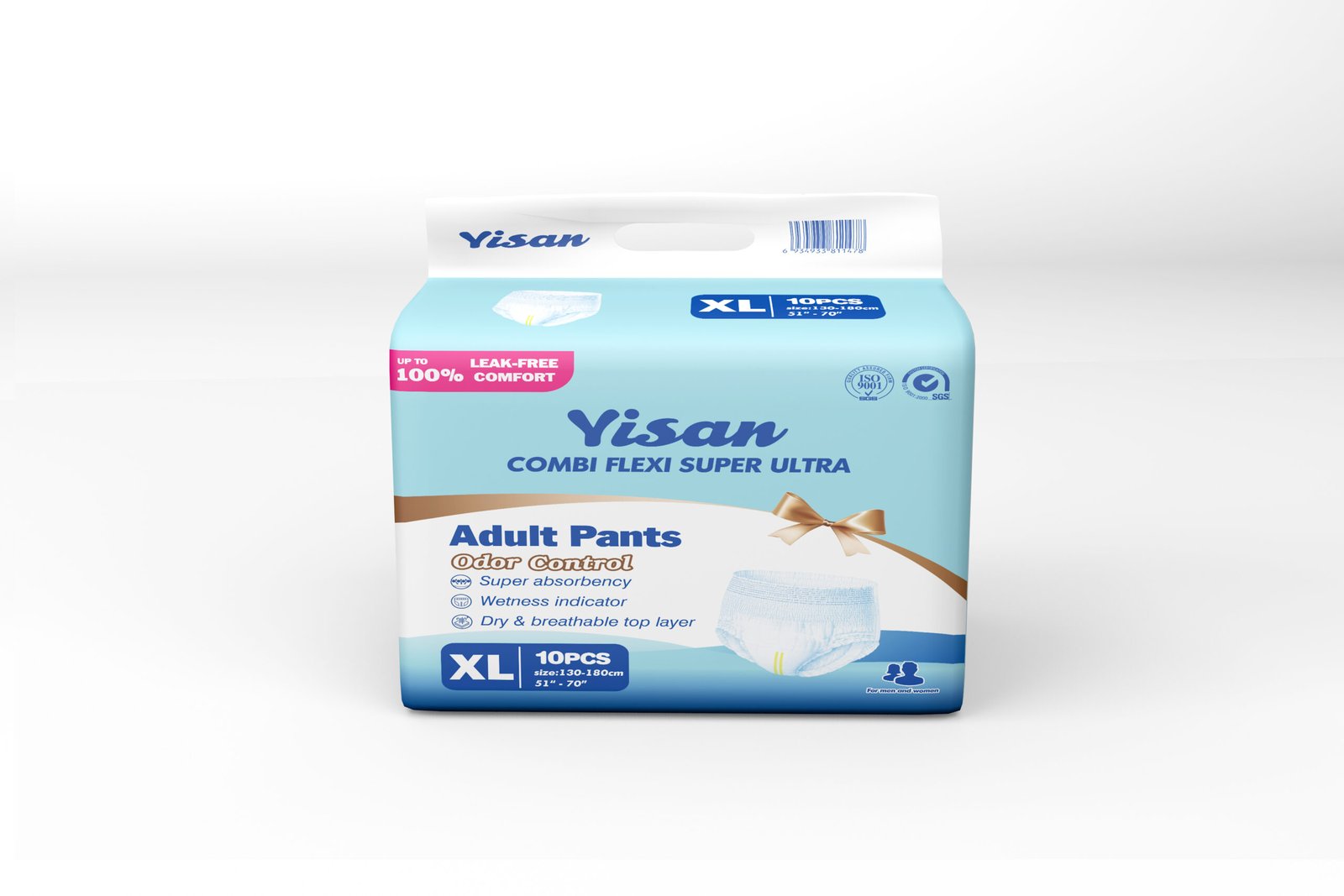
Branded products carry marketing costs baked into the price. Private label or white-label adult diapers wholesale options often deliver similar quality at lower cost because there’s no brand premium to support. The tradeoff is that private label requires more due diligence—buyers need to verify quality themselves rather than relying on brand reputation.
Some suppliers offer both, which creates flexibility. Stock a recognized brand for customers who ask for it by name, and a private label option for price-sensitive accounts. If you want to know more about adult diapers wholesale, please read Adult Diapers Wholesale: A Complete Buying Guide in 2026.
FAQ
Why do similar-looking adult diapers have such different wholesale prices?
Usually comes down to materials that aren’t visible from outside—the type and amount of superabsorbent polymer in the core, backsheet breathability, topsheet quality. A product might look identical in photos but perform very differently in actual use. Always request samples and spec sheets before comparing prices directly.
Does ordering adult diapers wholesale internationally save money?
It can, but not always. Lower manufacturing costs get offset by shipping, duties, and longer lead times. For very large volumes with good logistics planning, importing makes sense. For smaller or time-sensitive orders, domestic suppliers often end up comparable or better once all costs are factored in.
How often do wholesale prices change?
Raw material costs—especially pulp and petroleum-based components—fluctuate with commodity markets. Most suppliers adjust pricing quarterly or when significant cost shifts occur. Locking in pricing through contracts or larger advance orders can provide some stability, though not every supplier offers that flexibility.