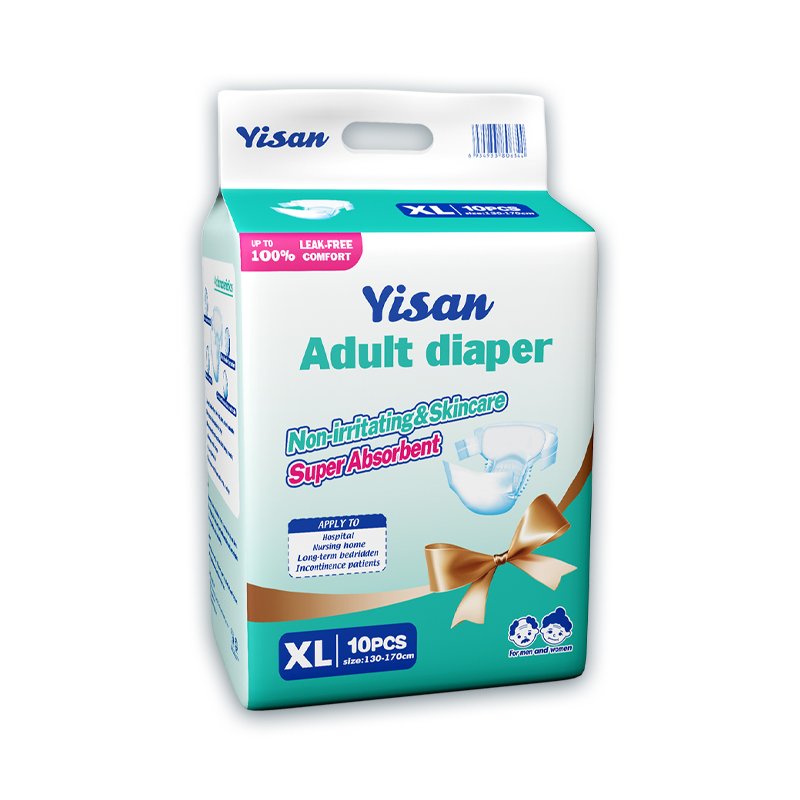
Why Sourcing Adult Diapers Wholesale Goes Wrong
Buying incontinence products in bulk seems simple enough. Find a supplier, negotiate pricing, place an order. But somehow, things go sideways more often than expected. Warehouses end up with products that don’t sell. Quality complaints pile up. Margins shrink instead of growing.
The adult diapers wholesale market has expanded significantly over recent years. Aging populations, increased awareness about incontinence care, growing healthcare infrastructure in developing regions—all driving demand. Yet this growth attracts suppliers of varying quality and reliability.
Buyers entering this space often repeat the same errors. Not because they lack intelligence, but because the pitfalls aren’t always obvious until after money changes hands. Understanding these common mistakes helps avoid expensive lessons.
Mistake 1 – Prioritizing Price Over Product Quality
Everyone wants competitive pricing. That’s just business. But chasing the absolute lowest cost when purchasing adult diapers wholesale frequently backfires.
Cheaper products often mean:
- Thinner absorbent cores that leak
- Weaker adhesive tabs that fail
- Rougher materials causing skin irritation
- Inconsistent sizing between batches
- Shorter shelf life due to inferior packaging
The real cost shows up later. Customer complaints. Returns. Damaged reputation. Lost repeat business. Sometimes the math works out worse than paying slightly more upfront for reliable quality.
Quality assessment should happen before price negotiation, not after. Requesting samples—and actually testing them properly—matters more than most buyers realize.
Mistake 2 – Skipping Supplier Verification Steps
A professional website doesn’t guarantee a professional operation. Some buyers learn this the hard way after deposits disappear or shipments arrive with unexpected quality issues.
Verification should include (at minimum):
- Checking business registration and licensing
- Requesting factory certifications like ISO or FDA registration
- Asking for existing client references
- Reviewing third-party audit reports if available
- Confirming production capacity matches order requirements
Suppliers reluctant to provide documentation deserve skepticism. Legitimate manufacturers expect these requests and prepare accordingly.
Mistake 3 – Ignoring Compliance and Certification Requirements
Adult diapers wholesale buyers sometimes overlook regulatory requirements until customs holds their shipment. Different markets demand different certifications and testing standards.
| Market | Key Requirements | Common Certifications |
|---|---|---|
| United States | FDA registration, state regulations | ISO 13485, ASTM testing |
| European Union | CE marking, MDR compliance | ISO certification, EU Declaration |
| Middle East | SASO, ESMA depending on country | COC certificates |
| Southeast Asia | Varies significantly by country | Local health ministry approvals |
Assuming products legal in one market automatically qualify elsewhere causes problems. Import delays, fines, or outright rejection at borders—none of these help profitability.
Working with suppliers who understand target market requirements simplifies compliance enormously.
Mistake 4 – Overlooking Minimum Order Quantities and Lead Times
The advertised price often comes with conditions. Minimum order quantities can tie up significant capital. Production and shipping lead times affect inventory planning.
Questions worth asking before committing:
- What MOQ applies to the quoted price?
- How do prices change at different volume levels?
- What’s realistic production time after order confirmation?
- How long does shipping take to the destination?
- Are partial shipments possible?
Some buyers order too much initially, tying up warehouse space and cash flow. Others order too little, missing volume pricing and facing stockouts. Neither situation is ideal.
Mistake 5 – Neglecting After-Sales Support Considerations
The relationship shouldn’t end when containers ship. Problems arise. Defective batches happen occasionally even with good suppliers. How those situations get handled matters significantly.
Strong supplier partnerships include:
• Clear quality claim procedures
• Reasonable response time expectations
• Defined replacement or refund policies
• Ongoing communication channels
• Flexibility for future order adjustments
Suppliers vanishing after payment—unfortunately common with certain overseas sources—leave buyers holding problems alone.
If you want to know more about adult diapers wholesale, please read Adult Diapers Wholesale: A Complete Buying Guide in 2026.
FAQ
How can buyers verify adult diapers wholesale supplier legitimacy?
Request business licenses, factory certifications, and client references. Third-party audit reports provide additional assurance. Visiting facilities when possible, or hiring inspection services, adds another verification layer.
What certifications matter most for incontinence products?
ISO 13485 indicates quality management systems for medical devices. FDA registration matters for US markets. CE marking is essential for European sales. Specific requirements depend entirely on target markets.
Should buyers always request product samples before ordering?
Absolutely. Samples reveal quality that photographs and specifications cannot. Testing absorbency, material feel, construction durability, and sizing accuracy prevents costly surprises after large orders arrive.