Why Wholesale Baby Diapers Remain a Solid Business Opportunity
Babies need diapers. That fundamental reality hasn’t changed and won’t anytime soon. A newborn might go through eight to twelve diapers daily during the first months. Multiply that across millions of babies born each year, and the numbers become quite significant.
The global baby diaper market continues expanding. Population growth in developing regions, rising disposable incomes, and increasing awareness about infant hygiene all contribute. For retailers, distributors, and e-commerce entrepreneurs, wholesale baby diapers represent a product category with consistent, predictable demand.
But consistent demand doesn’t automatically translate to easy profits. The market is competitive—sometimes brutally so. Established brands dominate shelf space. Price-sensitive parents compare options carefully. Quality issues spread through social media and review platforms faster than ever before.
Success in this space requires understanding the nuances. Where to source products. How to evaluate quality. What margins are realistic. Which suppliers deliver on promises. This guide addresses these practical concerns directly.
Understanding the Wholesale Baby Diapers Market Landscape
Market Segments Worth Knowing
Baby diapers aren’t a monolithic product category. Different segments serve different customer needs, and understanding these distinctions helps with strategic positioning.
| Segment | Target Audience | Price Point | Growth Trend | Margin Potential |
|---|---|---|---|---|
| Economy disposable | Budget families, bulk buyers | Low | Stable | Lower but volume-driven |
| Premium disposable | Quality-focused parents | Mid-high | Growing | Better margins |
| Eco-friendly/organic | Environmentally conscious | Higher | Strong growth | Good margins |
| Private label | Retailer-branded options | Variable | Increasing | Depends on sourcing |
| Training pants | Toddlers 18+ months | Moderate | Stable | Moderate |
Most buyers focus on one or two segments rather than attempting to cover everything. Spreading inventory across too many product types often creates problems—capital tied up in slow-moving stock, complicated supplier relationships, diluted purchasing power.
Geographic Demand Variations
Birth rates vary considerably by region. Some markets are growing; others remain flat or decline slightly. Urban versus rural distinctions matter too. Premium products sell better in affluent urban areas. Economy options dominate in price-sensitive markets.
Understanding target market demographics shapes purchasing decisions. Stocking premium organic diapers in a discount retail environment probably won’t work well. Similarly, only offering budget options in upscale neighborhoods misses customer expectations.
Seasonal and Economic Factors
Diaper demand is relatively stable compared to many consumer products. Babies need changing regardless of season or economic conditions. That said, some patterns exist.
Holiday periods often see bulk purchasing as families stock up. Economic downturns push some customers toward economy brands. Premium segment buyers typically remain loyal even during recessions—quality matters for their babies, budget adjustments happen elsewhere.
Sourcing Strategies for Wholesale Baby Diapers
Domestic Supplier Options
Working with domestic distributors and wholesalers offers certain advantages. Faster delivery times. Easier communication without language barriers or time zone issues. Simpler logistics and returns handling. Established credit terms for qualified buyers.
The tradeoffs involve pricing and customization. Domestic sources typically carry brand-name products or their own established private labels. Per-unit costs run higher than factory-direct international purchasing. Minimum orders are often more flexible though—sometimes just a few cases rather than container loads.
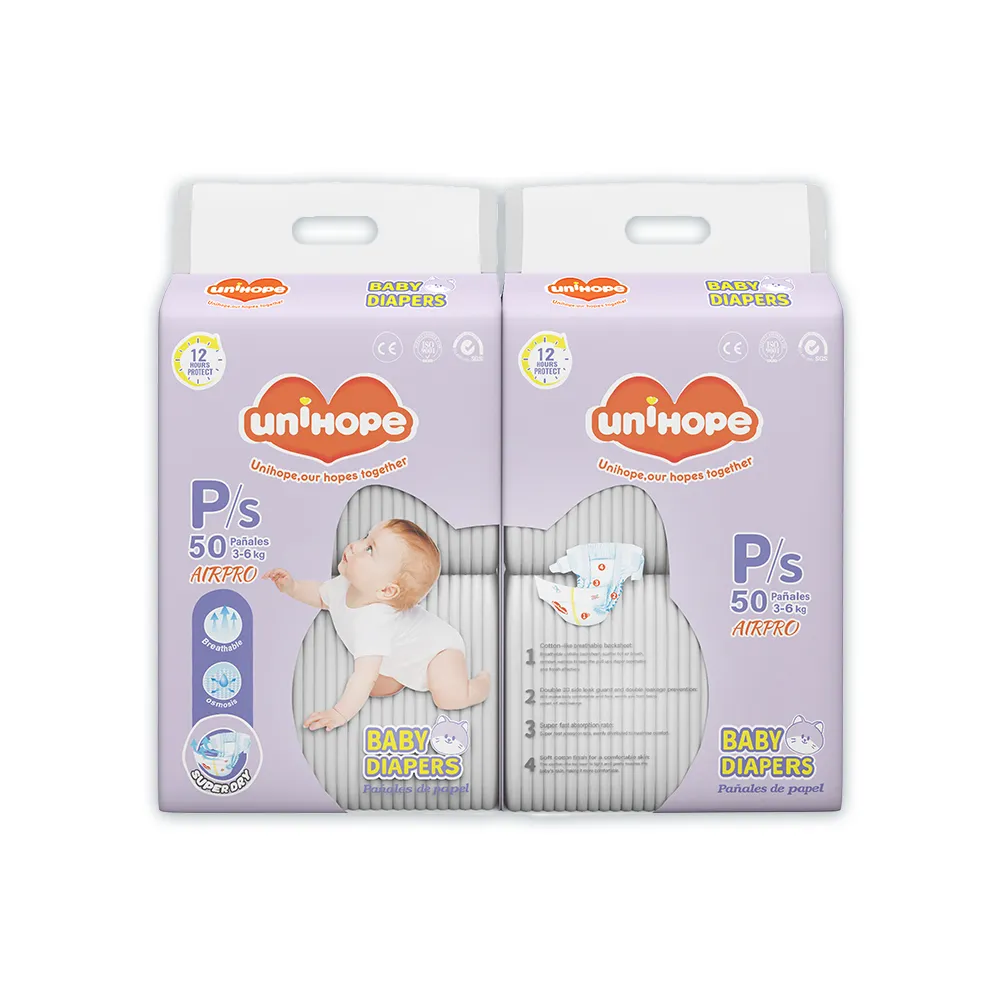
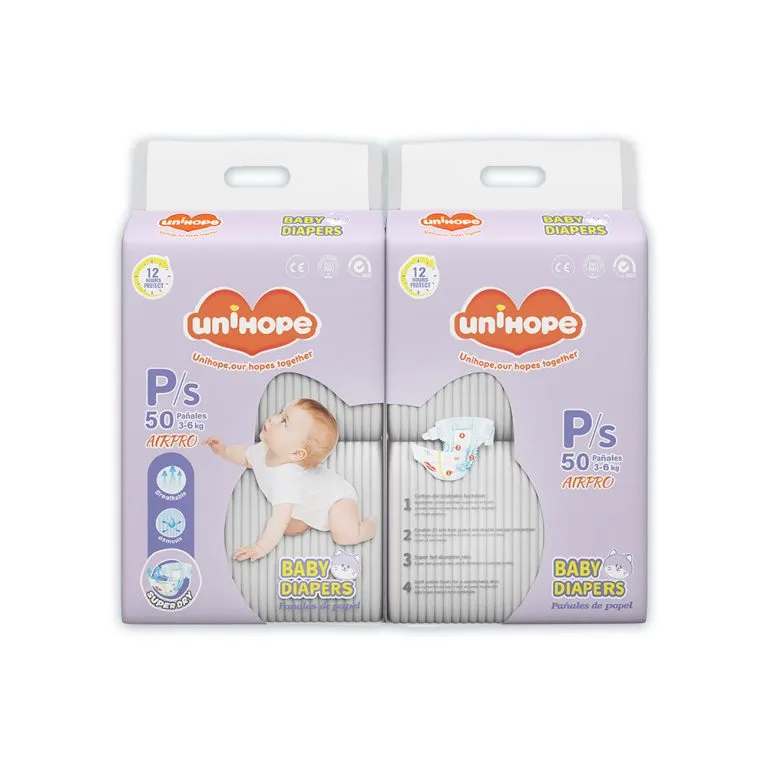
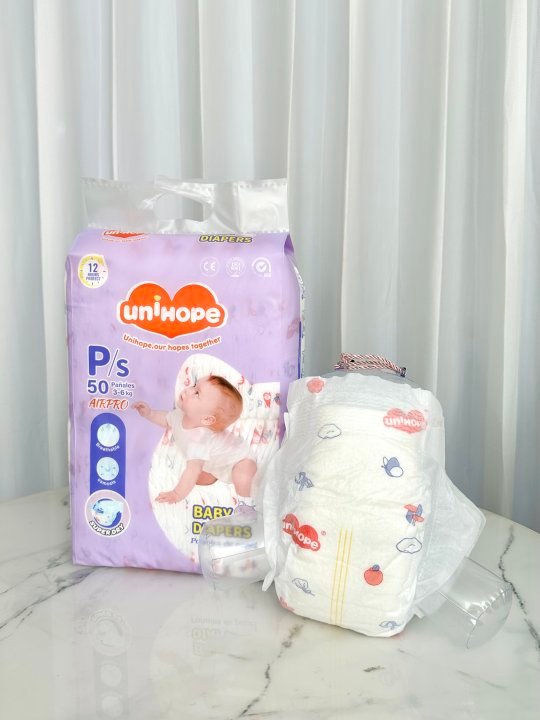
For businesses just starting out, domestic suppliers provide a lower-risk entry point. Testing market response before committing to massive inventory makes sense.Established manufacturers like Unihope Baby Diaper have built distribution networks that simplify access for smaller buyers looking to test market viability.
International Manufacturing Sources
The economics of international sourcing can be compelling. Manufacturing costs in China, Southeast Asia, Turkey, and other regions run significantly lower than domestic production. Custom formulations, private labeling, and packaging customization become possible.
However, complications multiply:
• Minimum order quantities often require substantial capital
• Lead times stretch into months rather than days
• Quality consistency requires ongoing verification
• Communication challenges create misunderstandings
• Customs, duties, and shipping add complexity and cost
Successful international sourcing typically involves:
1. Extensive supplier vetting before orders
2. Third-party quality inspections
3. Clear product specifications and contracts
4. Realistic timeline expectations
5. Buffer stock for supply chain disruptions
The wholesale baby diapers arriving from overseas can be excellent—or problematic. Supplier selection determines outcomes more than anything else.
Hybrid Approaches
Many established buyers use combination strategies. Domestic suppliers handle regular replenishment and quick-turnaround needs. International sources provide private label products or bulk inventory at better margins.
This approach requires more management effort but balances risk and reward effectively.
Quality Factors That Actually Matter for Wholesale Baby Diapers
Absorbency Performance
Parents notice when diapers leak. Nothing generates complaints faster than babies waking up wet at 3 AM. Absorbency depends primarily on the core construction—specifically SAP (super absorbent polymer) content and distribution.
Quality indicators worth evaluating:
• Total absorption capacity in milliliters
• Absorption speed under pressure
• Rewet performance (how dry the surface stays)
• Distribution of absorbent material throughout the diaper
Cheap diapers often skimp on SAP content or use lower-grade polymers. The cost savings disappear when customers don’t repurchase.
Material Safety Standards
Baby skin is sensitive. Products containing harsh chemicals, inadequate softness, or poor breathability cause rashes and irritation. Parents (rightfully) respond negatively.
Relevant certifications and testing include:
• Dermatological testing documentation
• Chemical safety certifications (Oeko-Tex, for example)
• Hypoallergenic claims with supporting evidence
• Fragrance-free options for sensitive skin
Suppliers should provide testing documentation willingly. Reluctance suggests potential issues worth investigating further.
Breathability and Softness Considerations
Beyond basic safety, comfort features increasingly drive purchasing decisions. Parents actively seek super breathable and soft baby diapers that keep their little ones comfortable throughout the day and night. Poor breathability traps heat and moisture against delicate skin, creating conditions where rashes develop quickly.
What makes diapers genuinely breathable and soft:
• Micro-porous backsheet materials that allow air circulation
• Cotton-like topsheet textures against baby skin
• Flexible waistband materials that don’t dig or bind
• Leg cuff designs that seal without harsh pressure
Products marketed as super breathable and soft baby diapers should demonstrate these qualities in sample testing. Marketing claims don’t always match reality, unfortunately. Physical evaluation reveals the truth faster than specification sheets.
The premium segment particularly emphasizes these comfort features. Parents willing to pay more expect noticeably softer materials and better breathability—not just marginally improved versions of economy products.
Construction and Fit Quality
Beyond absorbency and materials, construction quality affects customer satisfaction significantly.
Elements to evaluate:
• Elastic leg cuff performance and durability
• Waistband stretch and recovery
• Fastening tab strength and repositionability
• Sizing consistency between production batches
• Wetness indicator reliability (if featured)
Physical samples—tested on actual babies when possible—reveal more than specifications alone.
Packaging Considerations
Packaging affects both logistics and retail appeal. Sturdy packaging survives shipping without damage. Attractive design influences purchasing decisions at retail.
Wholesale baby diapers typically ship in cases containing multiple smaller retail packages. Damaged outer cases shouldn’t affect individual packages if properly designed. Some buyers overlook packaging quality until complaints arrive.
Pricing Dynamics and Margin Realities
Understanding Cost Components
The price paid for wholesale baby diapers represents just one cost element. Realistic margin calculations must include:
1. Product cost per unit
2. Shipping and freight expenses
3. Import duties and customs fees (if applicable)
4. Warehousing and storage costs
5. Handling and fulfillment expenses
6. Returns and damage allowances
7. Marketing and customer acquisition costs
Many new entrants focus exclusively on product cost, then wonder why profitability disappoints.
Negotiation Considerations
Volume matters in wholesale pricing. Larger orders typically secure better per-unit costs. However, tying up excessive capital in inventory creates its own problems.
Other negotiation factors include:
• Payment terms (net 30, deposits, letters of credit)
• Freight responsibility (FOB terms)
• Quality guarantee provisions
• Return policies for defective products
• Exclusivity arrangements in certain territories
Building relationships with suppliers often yields better terms over time. First orders rarely receive optimal pricing.
Realistic Margin Expectations
Margins in the wholesale baby diapers business vary considerably by segment and channel. Economy products operating through high-volume retail might yield single-digit percentage margins. Premium products sold direct-to-consumer through e-commerce can achieve 30% or higher.
Expecting massive margins usually leads to disappointment—or pricing products out of competitive range.
Supplier Evaluation and Selection Process
Initial Screening Criteria
Not every potential supplier deserves detailed evaluation. Initial screening filters obvious mismatches efficiently.
Basic requirements typically include:
• Legitimate business registration and licensing
• Minimum production capacity matching order needs
• Relevant product certifications
• Acceptable communication responsiveness
• Reasonable minimum order requirements
Suppliers failing basic screening shouldn’t receive further consideration regardless of attractive pricing.
Deeper Due Diligence
Suppliers passing initial screening warrant more thorough investigation.
This involves:
• Factory audit reports (self-conducted or third-party)
• Client reference verification
• Sample product testing
• Financial stability assessment
• Production capacity documentation
Due diligence costs time and sometimes money. The investment prevents much larger losses from problematic supplier relationships.
Trial Orders Before Major Commitments
Even after thorough vetting, starting with smaller trial orders makes sense. Real-world performance often differs from promises and samples. Trial orders reveal:
• Actual lead time accuracy
• Communication during order processing
• Quality consistency in production quantities
• Packaging and shipping handling
• Problem resolution approaches
Successful trial orders build confidence for larger commitments.
Logistics and Inventory Management
Storage Requirements
Baby diapers require climate-controlled storage. Excessive humidity damages absorbent materials. Temperature extremes affect adhesives and elastics. Proper warehousing protects product quality and shelf life.
Inventory rotation matters too. First-in-first-out practices prevent selling old stock while newer inventory sits.
Shipping Considerations
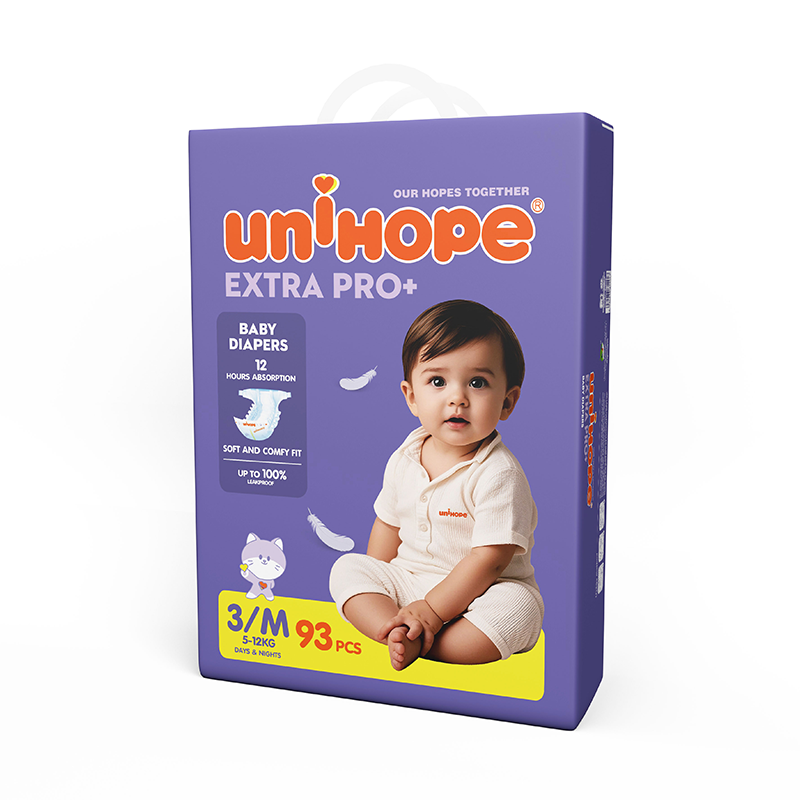
Diapers are bulky relative to their weight. Shipping costs often relate more to volume than weight. This reality affects margin calculations, especially for economy products where every cent matters. Premium options like Double Core Baby Diaper justify higher shipping costs through better sell-through rates and customer retention. Consolidating shipments, optimizing packaging dimensions, and negotiating freight rates all impact profitability.
FAQ
What minimum order quantities are typical for wholesale baby diapers?
MOQs vary dramatically. Domestic distributors might ship single cases. International manufacturers often require full container loads—typically 200,000 to 500,000 pieces minimum. Some trading companies offer lower MOQs but at higher per-unit costs.
How should buyers handle quality complaints from customers?
Establish clear return policies upfront. Document complaints with photos when possible. Work with suppliers who accept responsibility for genuine quality issues. Building complaint resolution costs into margin calculations prevents unpleasant surprises.
Are eco-friendly baby diapers worth stocking?
Market demand for sustainable options continues growing. Parents increasingly seek eco-friendly alternatives. However, higher price points limit the customer base. Stocking small quantities initially helps test local market appetite before major inventory commitments.