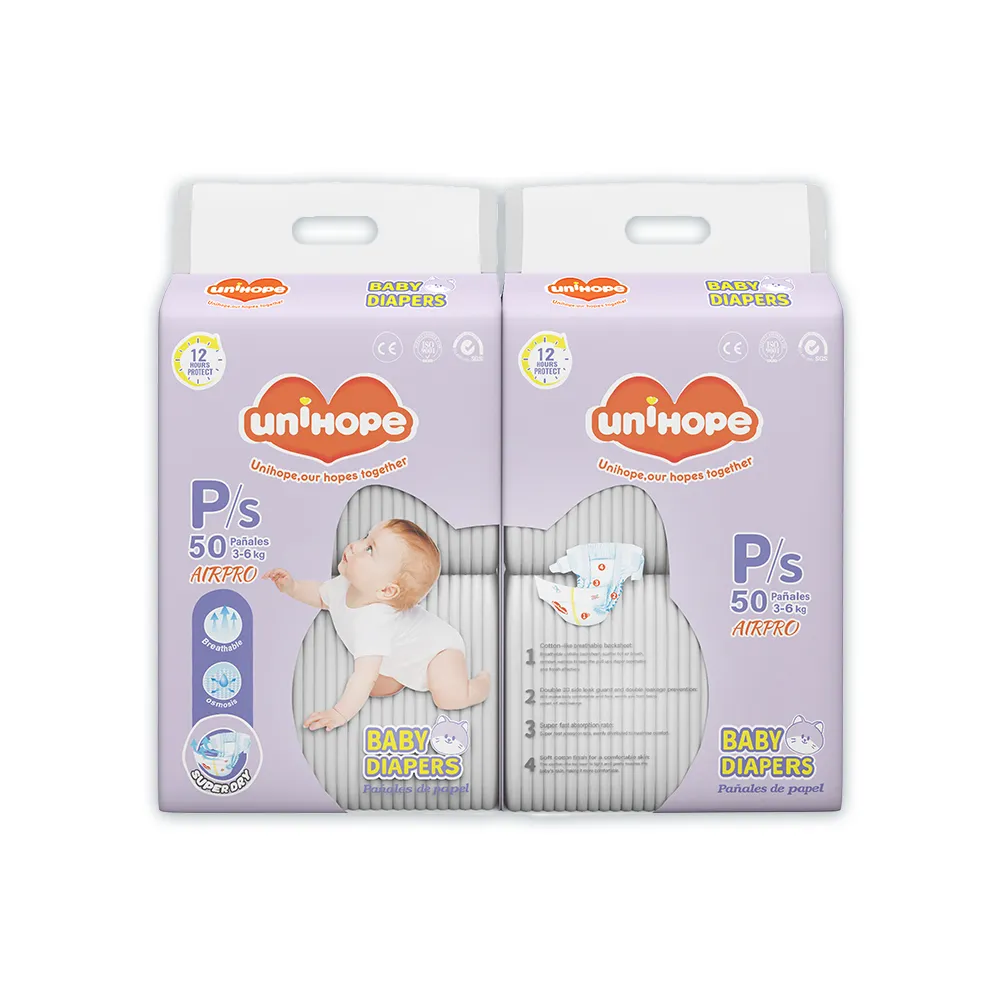
Africa’s baby care market has been drawing serious attention from manufacturers worldwide — and honestly, it’s not hard to see why. With a population exceeding 1.4 billion and one of the youngest demographics on the planet, the demand for baby diapers across the continent is not just growing, it’s accelerating. For any baby diapers manufacturer in Africa, the question isn’t whether the opportunity exists. It’s whether they’re positioned to capture it.
Understanding Africa’s Growing Diaper Market
The numbers tell part of the story. Sub-Saharan Africa alone accounts for a significant share of global birth rates, with countries like Nigeria, Ethiopia, and the Democratic Republic of Congo contributing millions of new babies each year. Urbanization is picking up pace too, which tends to shift consumer habits — including a growing preference for disposable diapers over traditional cloth alternatives.
That said, the market isn’t uniform. East Africa behaves differently from West Africa. North African markets have their own dynamics, shaped by different income levels, retail infrastructure, and even climate. A manufacturer that treats “Africa” as a single market is probably going to struggle.
Price Competitiveness Without Compromising Quality
If there’s one thing that consistently comes up when talking to retailers or distributors across African markets, it’s price sensitivity. A large portion of the target consumer base falls into the low-to-middle income bracket, which means affordability isn’t just a nice-to-have — it’s often the deciding factor at the point of purchase.
But here’s where it gets interesting. Cheap doesn’t always win. Parents, even those on tight budgets, are remarkably discerning when it comes to diaper performance. Leakage, skin irritation, poor fit — these things get noticed fast, and word spreads. So the competitive edge really lies in finding that balance: affordable baby diapers that’s accessible in price but doesn’t cut corners where it matters.
How Baby Diapers Manufacturers Are Managing Costs
Several approaches have emerged:
- Setting up local or regional production facilities to reduce import duties and shipping costs
- Sourcing fluff pulp and SAP (super absorbent polymer) from regional suppliers where possible
- Streamlining packaging to reduce material waste without affecting product integrity
- Producing tiered product lines — economy, standard, and premium — to serve different income segments
The table below gives a rough sense of how pricing tiers tend to play out across different market segments:
| Product Tier | Target Consumer | Price Range (per piece) | Key Feature Focus |
|---|---|---|---|
| Economy | Low-income households | $0.05 – $0.12 | Basic absorbency, affordability |
| Standard | Middle-income families | $0.13 – $0.25 | Comfort, leak protection |
| Premium | Urban, higher-income | $0.26 – $0.50+ | Skin-friendly materials, design |
Distribution Networks That Actually Reach People
Manufacturing a good product is one thing. Getting it to the right places is another challenge entirely — and in Africa, distribution is often where competitive advantages are won or lost.
Urban centers like Lagos, Nairobi, Johannesburg, and Accra have relatively developed retail infrastructure. Supermarkets, pharmacies, and modern trade channels are accessible. But a significant portion of diaper purchases still happen through informal markets, small kiosks, and neighborhood shops (often called “mama mboga” stalls in East Africa or “provision stores” in West Africa).
A baby diapers manufacturer in Africa that builds relationships with these informal retail touchpoints — rather than ignoring them — tends to see much stronger market penetration. Some manufacturers have gone further, partnering with mobile distribution networks or using motorcycle delivery systems to reach semi-rural areas.
Challenges Worth Acknowledging
– Road infrastructure in many regions remains inconsistent
– Humidity and heat can affect packaging integrity over time
– Payment systems vary widely, with mobile money playing a growing role in transactions
Product Adaptation for African Consumers
This is an area that imported brands sometimes underestimate. African climates — particularly in tropical regions — are hot and humid for much of the year. Diapers designed primarily for temperate markets may not perform as well under these conditions. Breathable baby diapers becomes more important. Rash prevention matters more.
There’s also the question of sizing. Babies in different regions can have different average body proportions, and a diaper that fits well in one market might not translate perfectly to another. It sounds like a small detail, but it affects comfort and leakage performance significantly.
Packaging That Fits the Market
Single-piece or small-pack options (sometimes 4–6 diapers per pack) are popular in markets where consumers prefer to buy in small quantities — either due to budget constraints or simply because storage space is limited. Manufacturers who offer flexible pack sizes tend to have an easier time gaining shelf space in informal retail.
Building Brand Trust in Emerging Markets
Trust takes time to build, and in markets where consumers have been burned by low-quality products before, it takes even longer. Certifications matter — things like ISO standards, dermatological testing, and compliance with local regulatory requirements (which vary by country) all contribute to a brand’s credibility.
Beyond certifications, community-level marketing has proven effective. Partnering with maternal health clinics, midwives, or community health workers to introduce products to new mothers creates a layer of trust that traditional advertising can’t always replicate.
Sustainability: A Growing Conversation
It’s still early days for sustainability as a primary purchase driver in most African diaper markets — price and performance tend to dominate. But the conversation is starting. Waste management is a real concern in many cities, and some manufacturers are beginning to explore biodegradable materials or take-back programs.
For a baby diapers manufacturer in Africa looking to differentiate over the long term, investing in sustainable practices now — even incrementally — could become a meaningful competitive advantage as consumer awareness grows.
Some directions manufacturers are currently exploring:
- Partially biodegradable diaper components
- Reduced plastic in outer layers
- Compressed packaging to lower shipping emissions
- Partnerships with local waste collection organizations
If you want to know more about Baby Diapers Manufacturer in Africa, please read 5 Recommended Baby Diapers Manufacturer in Africa Market.
FAQ
How do local baby diaper manufacturers in Africa compete with large international brands?
Local manufacturers often have structural advantages that multinationals can’t easily replicate — faster response to regional demand shifts, lower logistics costs, and deeper relationships with informal retail networks. They can also price more aggressively because they’re not carrying the overhead of global brand operations. The challenge is usually on the quality perception side, which is why consistent product performance and visible certifications matter so much for building long-term credibility.
What role does government policy play in shaping the diaper manufacturing landscape in Africa?
Quite a significant one, actually. Import tariffs on finished goods versus raw materials can either incentivize local production or make it harder to compete. Some African governments have introduced policies to support domestic manufacturing under broader industrialization agendas. Free trade agreements within regional blocs — like the AfCFTA — are also starting to reshape how manufacturers think about cross-border distribution and market access.
Are there realistic entry points for smaller or mid-sized manufacturers looking to break into the African diaper market?
Yes, though the entry strategy matters a lot. Targeting a specific country or sub-region rather than the whole continent is usually more practical for smaller operations. Focusing on underserved rural or peri-urban markets — where large brands have weaker distribution — can also reduce direct competition. Some smaller manufacturers have found traction by positioning as a local brand with genuine community ties, which resonates with consumers who prefer to support domestic industry when quality is comparable.