
A Quick Look at Both Styles
Walk down any baby aisle and the sheer number of options can feel overwhelming. Two main styles dominate the baby diapers market: tape-style diapers and pull-ups. They look different, they function differently, and honestly — they serve different stages of a child’s growth.
Most parents start with tape diapers and eventually transition to pull-ups. But the “when” and “why” behind that switch isn’t always obvious. Some families even use both at the same time, depending on the situation. There’s no single right answer here, which is probably what makes the whole thing confusing in the first place.
Understanding what separates these two types of baby diapers can save a lot of trial-and-error (and money, frankly).
How Tape Baby Diapers Work
Design & Fastening Mechanism
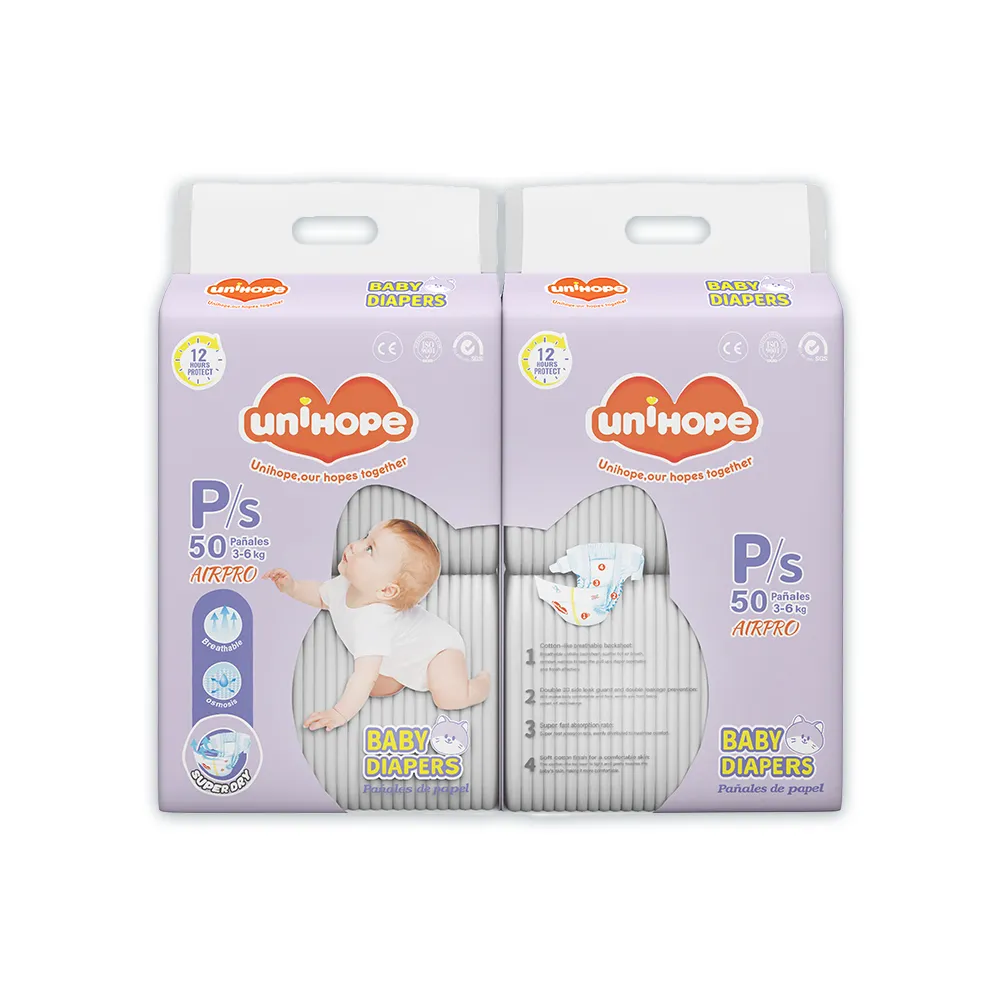
Tape diapers — sometimes called tab diapers — use adhesive strips on each side to secure the diaper around a baby’s waist. The tabs are adjustable, meaning you can make the fit tighter or looser depending on the baby’s size at that moment. This adjustability is one of the biggest selling points.
The design is pretty straightforward: lay the baby down, slide the diaper underneath, pull the front up, and fasten the tabs. It’s a system that works especially well when babies are still spending most of their time on their backs.
Best Age Range & Use Cases
Tape-style baby diapers are generally the go-to choice from birth through roughly 12–18 months. Newborns and younger infants who aren’t mobile yet are easiest to change in this style. The snug, customizable fit also tends to handle overnight absorbency better for smaller babies — something parents figure out pretty quickly during those early months.
They’re also the preferred option during diaper changes that involve, well, messier situations. Being able to open the diaper flat makes cleanup considerably easier.
How Pull-Ups Work
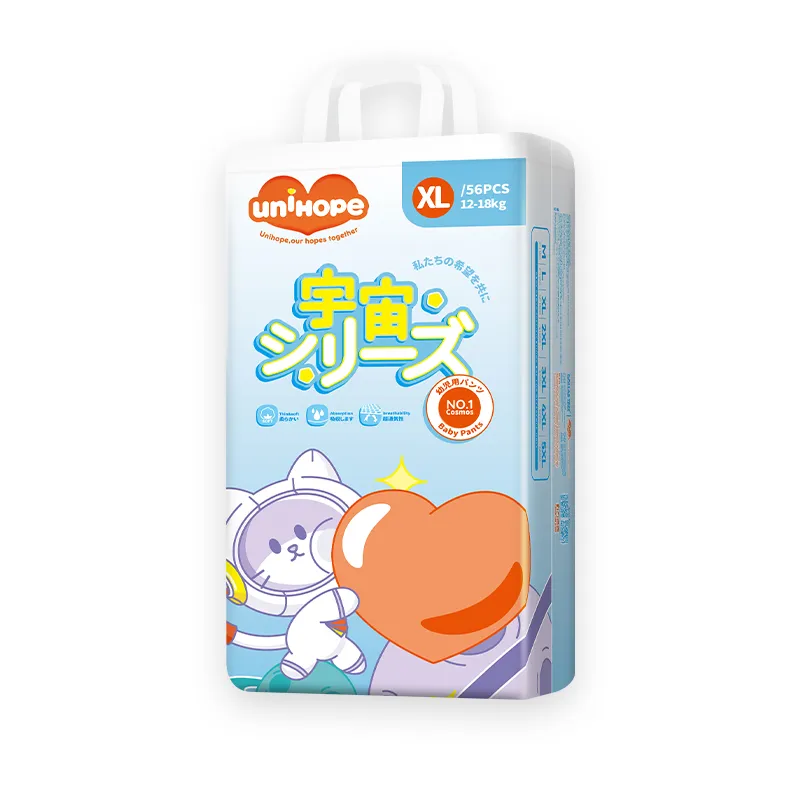
Pull-ups diapers look and function more like underwear. There are no tabs or adhesive strips. Instead, they feature an elasticated waistband that slides up and down — just like a pair of shorts. Some brands include tear-away sides for easier removal during changes, but the primary design is meant to be pulled on and off.
The fit is less adjustable compared to tape baby diapers, which means sizing accuracy matters more here.
Best Age Range & Use Cases
Pull-ups typically enter the picture around 18 months to 2 years, though it varies. They’re designed for toddlers who are standing, walking, running — basically moving constantly. Trying to tape a diaper on a squirming two-year-old who refuses to lie down? That’s the moment most parents discover pull-ups exist.
They’re also closely associated with potty training, since kids can pull them down independently. That sense of autonomy matters more than people might think during that developmental stage.
Key Differences at a Glance
| Feature | Tape Baby Diapers | Pull-Ups |
|---|---|---|
| Closure Type | Adhesive tabs | Elastic waistband |
| Fit Adjustability | High (repositionable tabs) | Low (fixed sizing) |
| Absorbency Level | Generally higher | Moderate |
| Ideal Age | 0–18 months | 18 months–3+ years |
| Ease of Changing (lying down) | Very easy | Less convenient |
| Ease of Changing (standing) | Difficult | Very easy |
| Cost Per Unit | Usually lower | Usually higher |
| Best For | Newborns, sleep time, heavy wetters | Active toddlers, potty training |
Worth noting — absorbency can vary a lot between brands. Some pull-ups on the market now rival tape baby diapers in terms of leak protection. But as a general rule, tape styles still edge ahead for overnight use with younger babies.
Which One Should You Choose?
For Newborns and Younger Babies
Tape baby diapers are almost always the better fit here. Newborns need frequent changes (sometimes 10–12 times a day), and the flat-open design makes that process faster. The adjustable tabs also accommodate those rapid weight fluctuations that happen in the first few months.
For Active Toddlers
Once a child is consistently on the move — climbing furniture, refusing to stay still during changes — pull-ups start making a lot more sense. The convenience factor alone is significant. A quick pull-up, pull-down motion versus wrestling with tabs while a toddler tries to escape? No contest.
For Potty Training Stage
Pull-ups were essentially designed for this phase. They give children the experience of wearing “real underwear” while still providing a safety net for accidents. Many brands even include wetness indicators or fun designs that fade when wet, which can help with training motivation.
Here’s a rough guide for when each type works best:
– Nighttime for babies under 18 months → tape baby diapers
– Daytime for mobile toddlers → pull-ups
– Potty training (day and night) → pull-ups
– Long car rides or travel with infants → tape diapers
– Daycare settings with older toddlers → pull-ups (easier for caregivers)

Common Mistakes Parents Make When Switching
The transition from tape baby diapers to pull-ups seems simple enough, but a few missteps come up repeatedly:
- Switching too early — if a baby isn’t standing or walking confidently yet, pull-ups can be harder to manage during changes and may not fit as securely.
- Choosing the wrong size — because pull-ups lack adjustable tabs, a slightly-off size leads to leaks much faster than it would with tape diapers.
- Dropping tape diapers entirely — many families find that using tape baby diapers at night and pull-ups during the day works better than going all-in on one type.
- Expecting pull-ups to potty train on their own — they’re a tool, not a solution. The training still requires consistency and patience beyond just the diaper style.
FAQ
Can pull-ups cause delays in potty training if used too long?
There’s some debate around this. Some child development perspectives suggest that pull-ups feel too similar to regular diapers, which may reduce a child’s urgency to use the toilet. The key seems to be pairing pull-ups with active training routines rather than relying on them passively.
Are tape baby diapers more environmentally friendly than pull-ups?
Not inherently — both use similar materials (absorbent polymers, non-woven fabrics, plastic components). However, because tape diapers tend to use slightly less material per unit and are used during a stage with more frequent changes, the overall waste footprint can differ. Eco-conscious parents might look into biodegradable options available in both styles.
Is there a hybrid diaper that combines tape and pull-up features?
Yes, actually. Several brands now offer baby diapers with a pull-up design but added refastenable tabs on the sides. These aim to give the convenience of a pull-up with the adjustability of tape diapers. They’re typically positioned for the transitional age range (around 12–24 months) and can be a good middle-ground option for parents who aren’t ready to fully commit to one style.