For new parents, few baby essentials are more confusing than baby diapers. Buying too early risks stockpiling unused supplies or ending up with the wrong size. Buying too late leaves you scrambling. In fact, by following your pregnancy timeline and your baby’s actual needs, you can build a sufficient supply without waste.
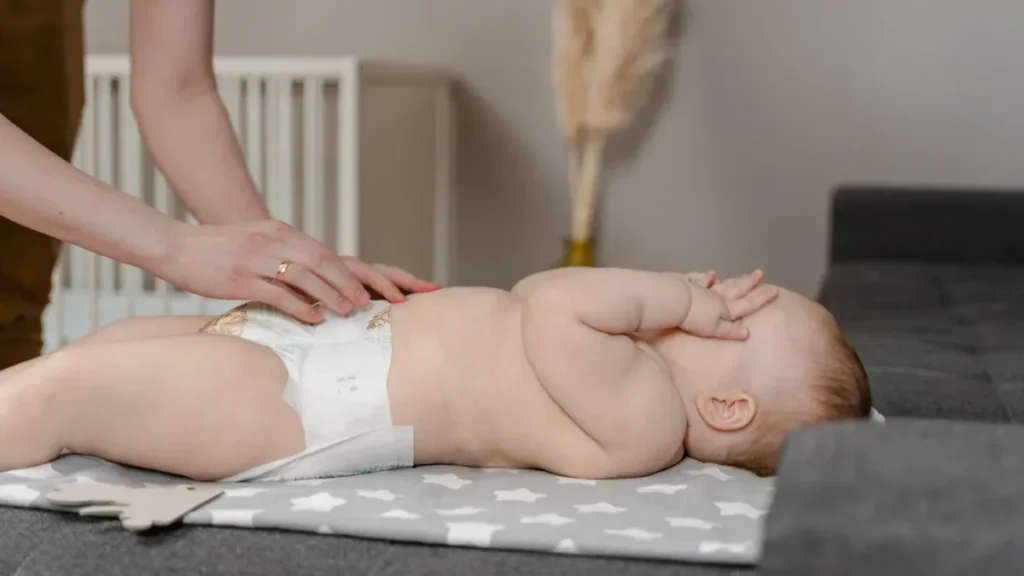
I. When is the best time to purchase diapers?
1. Preparing for pregnancy in advance
Purchasing diapers in advance can prevent last-minute panic and ensure they’re ready for use right after your baby arrives. It’s generally recommended to start preparing between the 6th and 8th month of pregnancy. This allows ample time to research infant diaper products.
2. Keep a small stock on hand and restock as needed.
Newborns grow rapidly, and their sizes change quickly. We recommend purchasing a small quantity of NB and S size diapers initially, then replenishing based on actual needs after the baby is born. Avoid waste from overstocking (for example, if the baby is larger than average, they may quickly outgrow these sizes).
3. Keep an eye on promotions to save money
Keep an eye on major promotions on e-commerce platforms (Alibaba, Amazon or other online stores). You can also purchase during sales at mother & baby stores to enjoy discounted prices. This is ideal for stocking up on large-size baby diapers.
II. Key considerations when purchasing baby diapers
1. Size and weight matching
Baby diapers are typically sized according to the infant’s weight (e.g., NB fits 0-5kg, S fits 4-8kg, etc.). Note that sizing may vary slightly between brands. It is recommended to refer to the specific product instructions. If visible diaper rash marks appear, leaks occur frequently, or the waistband sits below the belly button, promptly switch to the next larger size.
2. Choosing the right type of baby diapers
• Disposable diapers
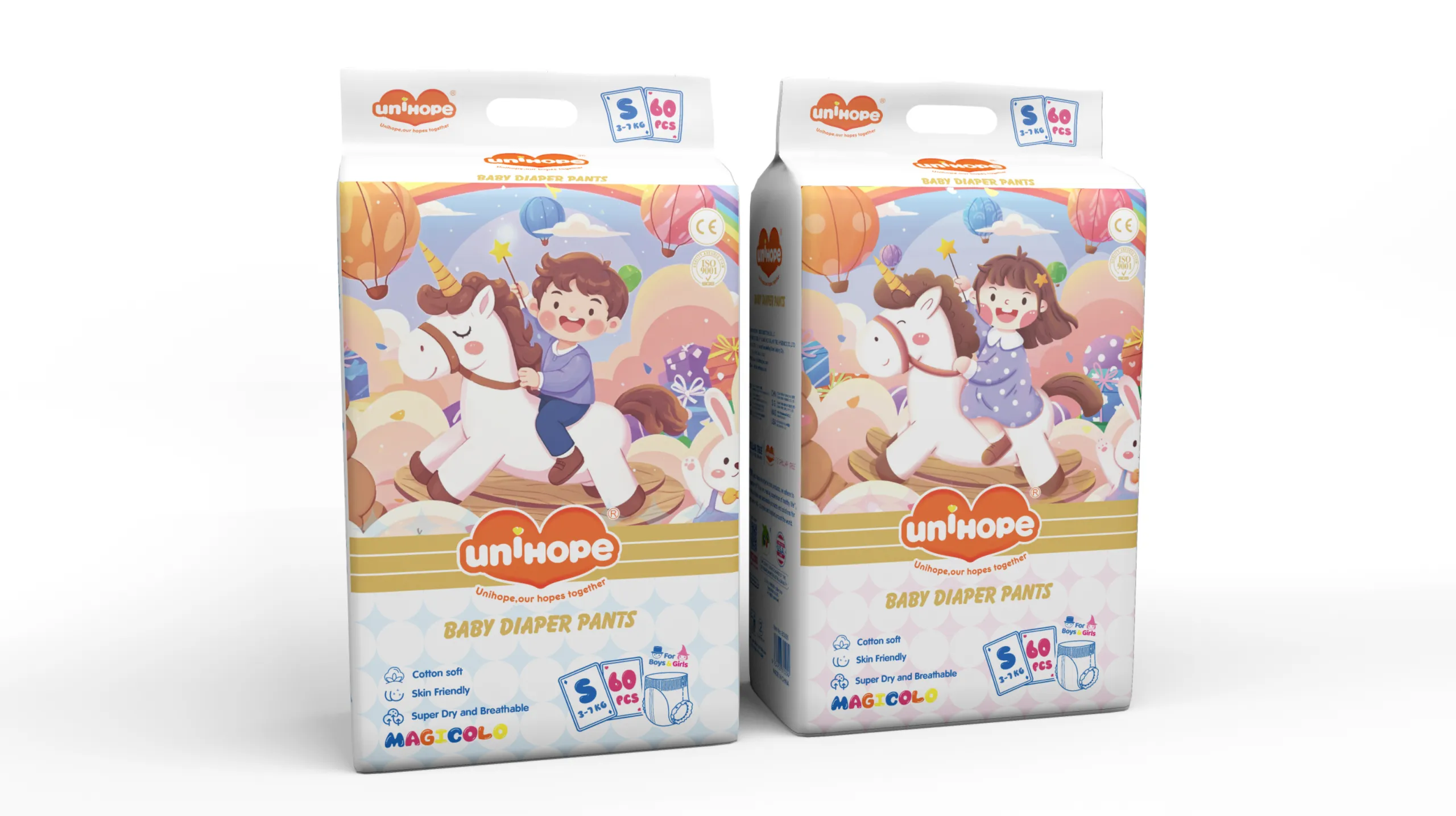
Disposable baby diapers are convenient and highly absorbent, suitable for daily use and outings. They come in standard diapers and pull up diapers (suitable for babies learning to crawl).
• Cloth diapers
Cloth diapers are eco-friendly and economical. Beyond their eco-friendly nature, these reusable diapers often utilize softer, more breathable materials like organic cotton or bamboo fiber, reducing the risk of diaper rash. However, they require frequent washing, which also causes some inconvenience.
They are suitable for families pursuing a sustainable lifestyle.
3. Material and safety
• Soft and breathable
It is recommended to choose cotton baby diapers or breathable materials to reduce friction and the risk of diaper rash.
• No irritating ingredients
Avoid baby diapers containing fragrances or fluorescent whitening agents, and prioritize brands that have passed safety certifications (such as SGS testing).
• Leak-proof design
When selecting baby diapers, pay attention to waistband elasticity and the snug fit of the leg cuffs to prevent side leakage.
III. Frequency and practicality of changing baby diapers
1. Newborn stage (0-3 months)
Newborns eliminate frequently, requiring baby diaper changes every 2-3 hours. Ensure an ample supply is available.
2. older babies
As activity levels increase, choose pull up diapers with high absorbency and superior fit to minimize shifting caused by movement.
IV. Brand and cost performance
Choose well-known baby diaper manufacturer brands with positive user reviews (such as Pampers or Huggies), but start with a trial pack to see if your baby adapts well. There’s no need to pursue the most expensive products, but ensure basic quality standards are met.
Conclusion
Purchasing newborn diapers is not a one-time task. It requires advance planning, dynamic adjustments, and consideration of individual needs. Preparation should begin during pregnancy, focusing on size, safety, practicality, and value for money. Flexibly adapting to your baby’s growth changes ensures a comfortable and reassuring care experience for your newborn.