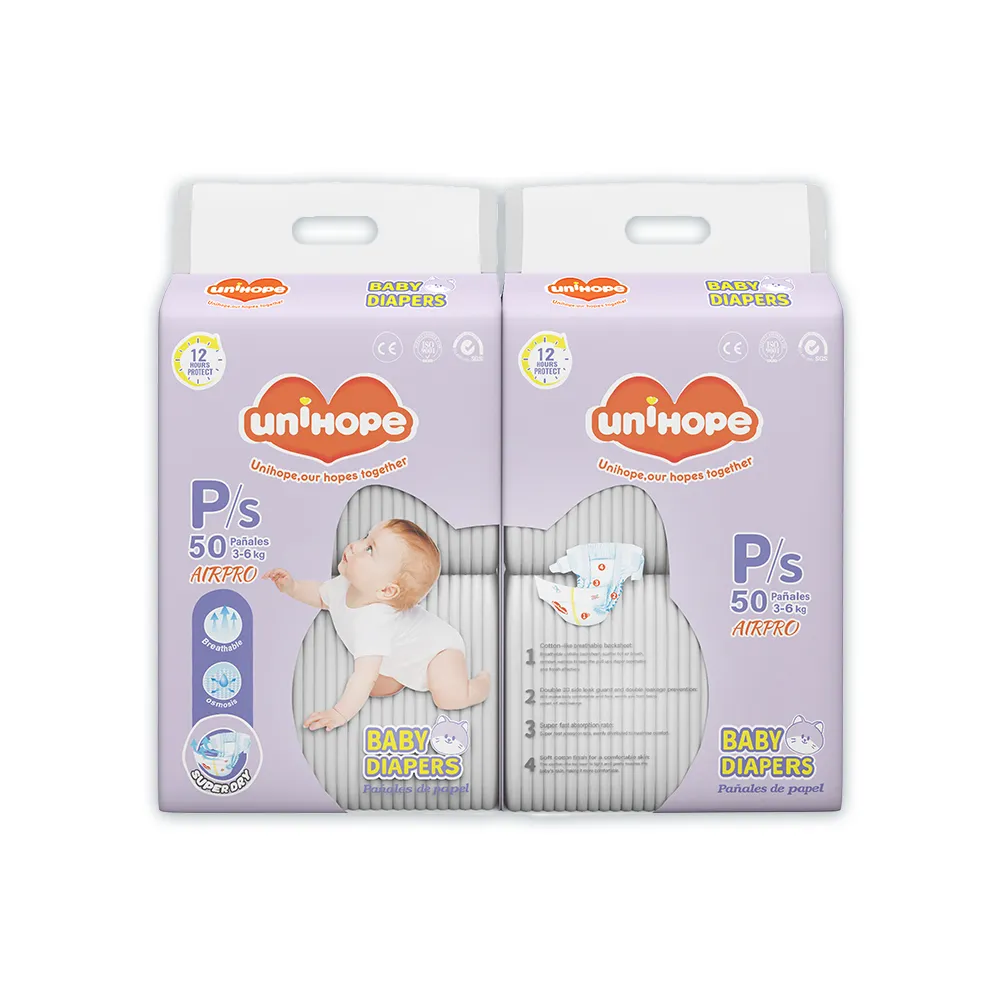
Choosing the right pull-up diapers size starts with measuring waist and hip size. Each brand has different diaper sizes, so weight and measurements are important. There are baby pull-up diapers and adult pull-up diapers. The table below explains why waist and hip sizes help stop leaks and make diapers more comfortable.
Measurement Type | Importance |
|---|---|
Waist Measurement | Needed to pick the right size and stop leaks |
Hip Measurement | Important for comfort and a good fit |
Pull-Up Diapers Size Basics
What Are Pull-Up Diapers
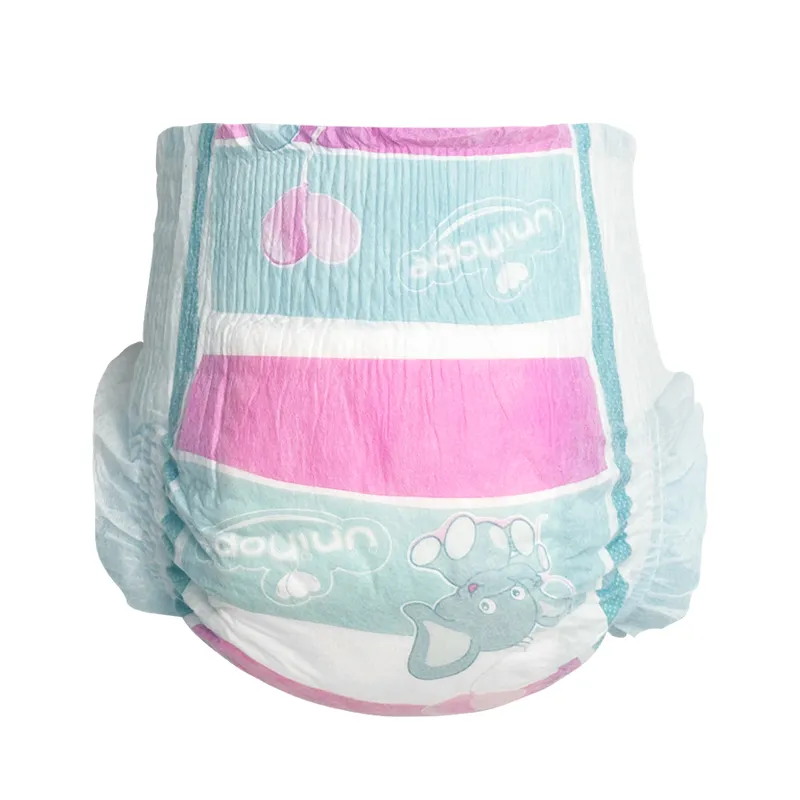
Pull-up diapers look a lot like underwear. They have stretchy waistbands and leg cuffs. You can pull them up and down easily. This helps with potty training or for people who want to do things on their own. Pull-up diapers are made for babies, kids, and adults. They are not as thick as regular diapers. You can wear them under clothes and they do not show.
Here’s a quick comparison:
Feature | Pull-Up Diapers | Traditional Diapers |
|---|---|---|
Application | Worn like underwear | Uses tabs for changing |
Absorbency | Holds a moderate amount | Holds more for heavy leaks |
Target User Groups | Good for people who move on their own | Best for those who need help |
Design | Has stretchy waistband and leg cuffs | Bulkier and made for more protection |
Discreetness | Looks more like underwear | Looks bulkier and less hidden |
How Sizing Works
Companies use waist and hip size to pick the right pull-up diaper. Weight is helpful, but measurements are better for fit. Sizes are different for each brand, so check the chart before you buy. Pull-up diapers come in sizes for toddlers, kids, and adults. The right size stops leaks and feels good to wear.
Size | Waist/Hip (Inches) | Weight (Pounds) |
|---|---|---|
Youth | N/A | 28 to 42 |
X-Small | 18″ to 26″ | 42 to 90 |
Small | 24″ to 32″ | 85 to 100 |
Medium | 32″ to 44″ | 100 to 150 |
Large | 45″ to 58″ | 150 to 200 |
X-Large | 56″ to 64″ | 200 to 250 |
2X-Large | 60″ to 80″ | 250+ |
Key Factors: Waist, Hips, Weight
To get the right size, measure the waist and hips. Use the bigger number when you look at the chart. Here are some tips:
Measure the waist near the belly button.
Measure the widest part of the hips.
Use the bigger number for the best fit.
Weight can help, but waist and hip size are more important. A good fit keeps leaks away and helps skin stay healthy. Pull-up diapers are for both kids and adults, so there are many sizes.
Tip: If diapers are too tight or too loose, they may leak or feel bad. Always check the fit as your needs change.
Pull-Up Diaper Sizes Chart
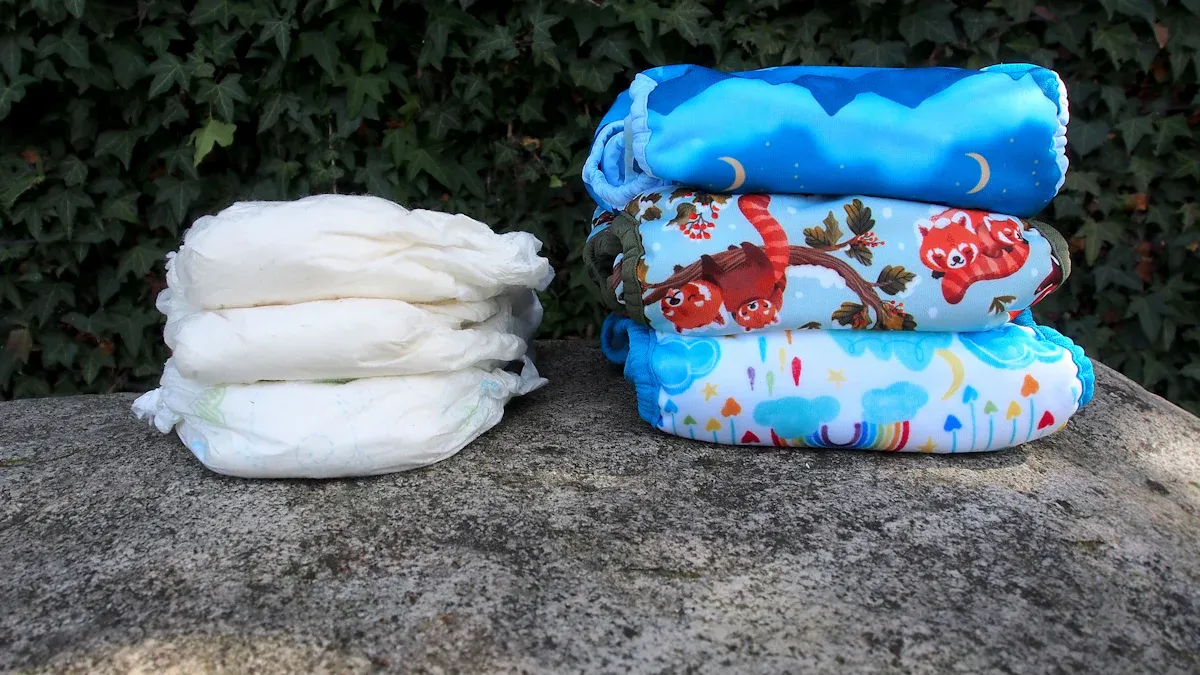
Choosing the right pull-up diapers size can feel confusing, but a clear diaper size chart makes it easier. Each age group has its own range, so parents and caregivers can find the appropriate size for every need.
Infant and Toddler Sizes
Babies and toddlers need diapers that fit snugly but feel comfortable. Most brands use weight and age guidelines to help parents pick the right pull-up diaper sizes.
Category | Size Range | Weight Range |
|---|---|---|
Newborns | 0–3 months | Up to 10 lbs |
Infants (Small) | 3–6 months | 8–18 lbs |
Infants (Medium) | 6–12 months | 16–28 lbs |
Toddlers (Stage 4) | 12–24 months | 22–37 lbs |
Toddlers (Stage 5) | 2–3 years | 27–40 lbs |
Toddlers (Stage 6) | 3–4 years | 35+ lbs |
Tip: Always use the larger of the waist or hip measurement when checking the diaper size chart.If you’d like more guidance on selecting the right fit, take a look at our pull-ups choosing guide for practical tips and examples.
Youth and Older Child Sizes
Some children need pull-up diapers size options beyond toddler years. Youth pull-up sizes fit kids who weigh between 28 and 42 pounds. For children with special needs, pediatric pull-ups offer extra comfort and protection. The right pull-up sizes help prevent leaks and keep kids confident.
Size | Waist/Hip (Inches) | Weight (Pounds) |
|---|---|---|
Youth | 18″ to 26″ | 28 to 42 |
X-Small | 18″ to 26″ | 42 to 90 |
Small | 24″ to 32″ | 85 to 100 |
Adult Pull-Up Diapers
Adult pull-up diapers come in a wide range of sizes. The adult diaper sizing guide shows that sizes go up to 2X-Large, fitting waists up to 80 inches. Some brands even offer larger sizes for extra comfort. The growing demand for adult pull-up diapers means more options for everyone.
Size | Waist/Hip (Inches) | Weight (Pounds) |
|---|---|---|
Medium | 32″ to 44″ | 100 to 150 |
Large | 45″ to 58″ | 150 to 200 |
X-Large | 56″ to 64″ | 200 to 250 |
2X-Large | 60″ to 80″ | 250+ |
Size charts help families and caregivers find the best fit. Pull-up diaper sizes cover everyone from babies to adults. The diaper size guide recommends checking both waist and hip measurements, then using the larger number. This helps prevent leaks and keeps diapers comfortable all day.
Choosing the Right Diaper Size
How to Measure
Getting the right diaper size starts with good measurements. Many people think weight is enough, but measuring the waist and hips gives a better fit. Here’s a simple way to measure for diapers:
Place a flexible tape measure at or just below the belly button. Wrap it around the waist and write down the number.
Move the tape to the widest part of the hips. Record this measurement too.
Measure the thigh between the knee and pelvis. Keep the leg straight and note the number.
Tip: Always use the larger number from the waist or hip when checking size charts. This helps with finding the right fit and keeps diapers comfortable.
Some common mistakes can make measuring tricky:
Hindered measurements, like measuring over bulky clothes
Sagging waist, which can make the diaper slip
Extra loose leg cuffs, leading to leaks
Tabs that come undone
Wearing diapers that are too tight can leave red marks and feel uncomfortable. Diapers that are too loose may leak and cause embarrassment. The right diaper size helps avoid these problems.
Using Weight and Age
Weight and age guidelines help when choosing the right diaper size, but measurements are more accurate. Many brands list diaper size by weight and diaper size by age on their packaging. For example, a toddler might fit into a size based on weight, but their waist or hip could need a different size. Always check both the weight and the measurements.
Note: Size charts use both weight and age, but the best fit comes from measuring. If a child or adult is between sizes, pick the size that matches the larger measurement.
Diaper sizing for infants, toddlers, and adults can change quickly as bodies grow or change shape. Regular checks help keep the diaper fit just right.