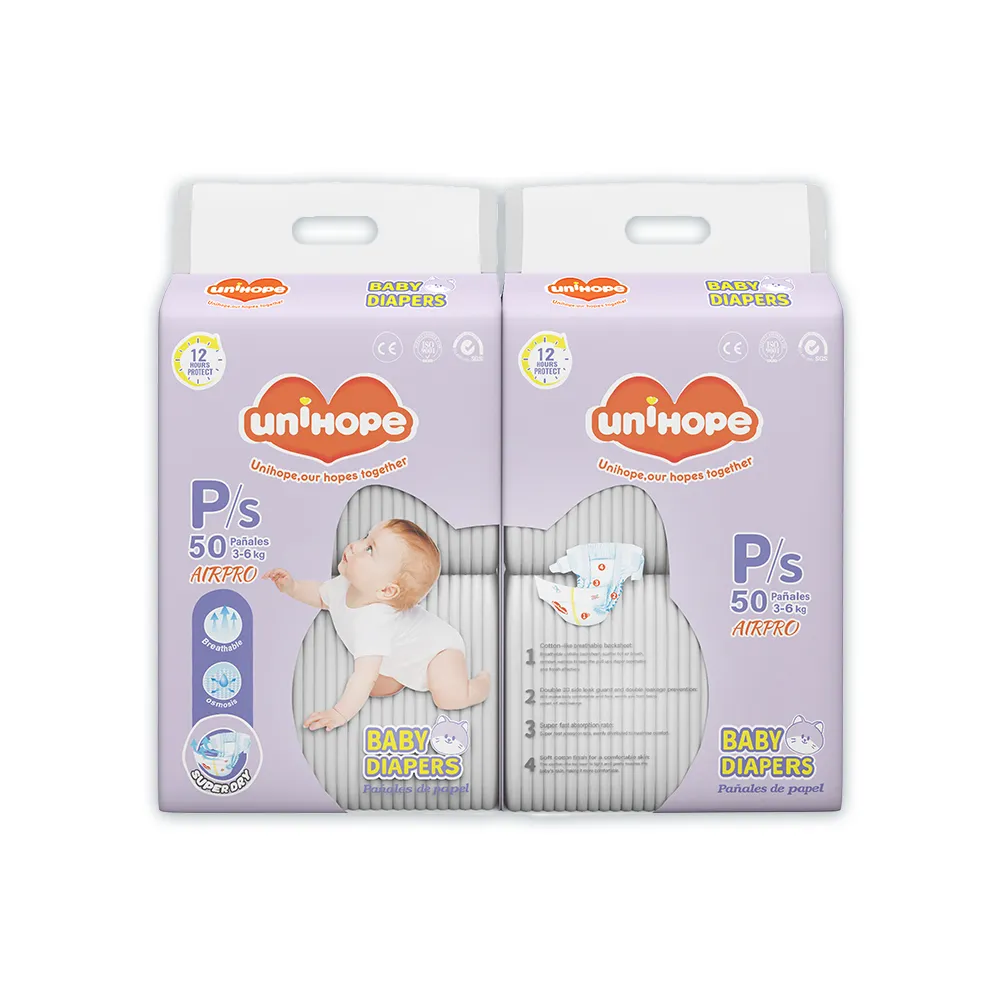
For new parents, choosing the right baby diapers for their newborns is the first thing to do. Baby diapers are the most frequently used items in babies’ daily lives, and whether they are chosen appropriately is directly related to the comfort and health of the baby. Therefore, it is very necessary to know how to choose diapers for newborns.

I. Main types of baby diapers
Currently, the two main types of diapers commonly found on the market are washable diapers and disposable diapers.
1. Washable diapers
Washable diapers are mostly made of cotton, gauze, and other materials. Their advantages include good breathability, minimal irritation to baby’s skin, and reusability, making them economical and environmentally friendly. However, they also have significant disadvantages. They have relatively poor absorbency, require frequent changes, and are troublesome to clean, especially at night, which can disrupt the sleep of both the baby and the parent.
2. Disposable diapers
Disposable diapers are disposable products. They are highly absorbent and easy to use, significantly reducing the number of changes and allowing both the baby and the parent to rest better. However, low-quality diapers may lack breathability, easily leading to diaper rash, and are relatively expensive to use over the long term.
II. Key points for choosing diapers
1. Material
Regardless of the type of diaper you choose, the material is the primary consideration. Newborns have delicate and sensitive skin, so the diaper material must be soft, breathable, and non-irritating. For washable diapers, choose pure cotton or gauze, as these materials are highly absorbent and gentle on the skin. When choosing, pay attention to the density of the fabric to avoid fabrics that are too loose and can cause leakage. For disposable diapers, check the outer layer material, prioritizing non-woven fabrics that are soft, skin-friendly, and breathable. Also, pay attention to the Absorption paper. A high quality Absorption paper quickly absorbs urine and locks in moisture, keeping the surface dry.
2. Size
Newborns grow rapidly, so diaper sizes must be appropriate. Diapers that are too small will constrict the baby’s waist and legs, affecting blood circulation. Diapers that are too large can cause leakage. When purchasing diapers, choose the size appropriate for your baby’s weight. The weight range is usually clearly indicated on the packaging. Also, regularly check your baby’s diaper’s fit and change to the appropriate size. Washable diapers can be cut and adjusted to suit your baby’s body shape.
3. Absorbency and breathability
Absorbency and breathability are key to ensuring your baby’s comfort. Diapers with good absorbency absorb urine quickly, reducing the amount of time urine contacts your baby’s skin, and reducing the risk of diaper rash. Diapers with good breathability allow air to circulate, preventing bacteria from growing in hot, humid environments. When choosing disposable diapers, check the absorbency parameters in the product description or conduct a small trial to observe their absorption rate and moisture retention. While washable diapers may not be as absorbent as disposable diapers, their excellent breathability is an advantage, though they require more frequent changes.
4. Safety
Diaper safety is crucial. Choose products from reputable baby diaper manufacturers and check for quality inspection certification. For disposable diapers, be aware of the presence of harmful substances such as fluorescent agents and formaldehyde. Safety can be ensured by checking the product ingredient list or choosing a reputable brand. Washable diapers should be thoroughly cleaned and disinfected before use to prevent residual bacteria or detergent from irritating your baby’s skin.
III. Conclusion
When choosing baby diapers for newborns, it’s important to consider a variety of factors, including diaper type, material, size, absorbency, breathability, and safety. Washable diapers and disposable diapers each have their advantages and disadvantages. Parents can choose according to their needs, or even use a combination of both, such as using washable diapers during the day and disposable diapers at night. Also, pay close attention to your baby’s skin condition during use. If any discomfort, such as diaper rash, occurs, change the diaper type or brand promptly. Only by choosing the right diaper for your baby can they grow up in a comfortable and healthy environment.