The feminine hygiene industry has expanded significantly in recent years, driven by rising awareness of personal care and growing demand from global retail channels. Behind most branded and private-label products are specialized feminine care product contract manufacturers that handle production, quality management, and supply chain coordination.
For retailers, distributors, and brand owners, selecting the right manufacturing partner is rarely a simple procurement decision. Feminine hygiene products require strict safety standards, reliable material sourcing, and consistent production conditions. Even small inconsistencies can affect product performance or regulatory compliance.
In the B2B market, manufacturers also need to demonstrate strong OEM capabilities, flexible production capacity, and the ability to support private-label projects. Buyers often evaluate multiple suppliers before choosing a long-term manufacturing partner.
The sections below outline practical considerations used by procurement teams when assessing feminine care product contract manufacturers.
In real procurement scenarios, the evaluation process is rarely linear. Buyers often move back and forth between product testing, pricing discussions, and compliance verification. This iterative approach reflects the complexity of sourcing hygiene products, where performance, safety, and supply stability must align at the same time.
1. Understand the Scope of Feminine Care Product Contract Manufacturers
Contract manufacturers in this sector typically produce feminine hygiene products on behalf of brands, wholesalers, and retailers. Many retail chains rely on OEM partners to manufacture store-brand products while maintaining competitive pricing and stable supply.
Products commonly produced by feminine care product contract manufacturers include:
- Sanitary pads
- Pantyliners
- Tampons
- Feminine hygiene wipes
- Menstrual cups
- Intimate cleansing products
Some manufacturers focus on a narrow product category, while others offer broader product portfolios designed for private-label programs.
From a buyer’s perspective, suppliers that can handle multiple product categories may provide greater flexibility when expanding product lines. At the same time, specialization can also indicate deeper technical expertise in a particular segment of feminine hygiene manufacturing.
Understanding the supplier’s product scope is usually the first step in evaluating compatibility with a brand or retail program.
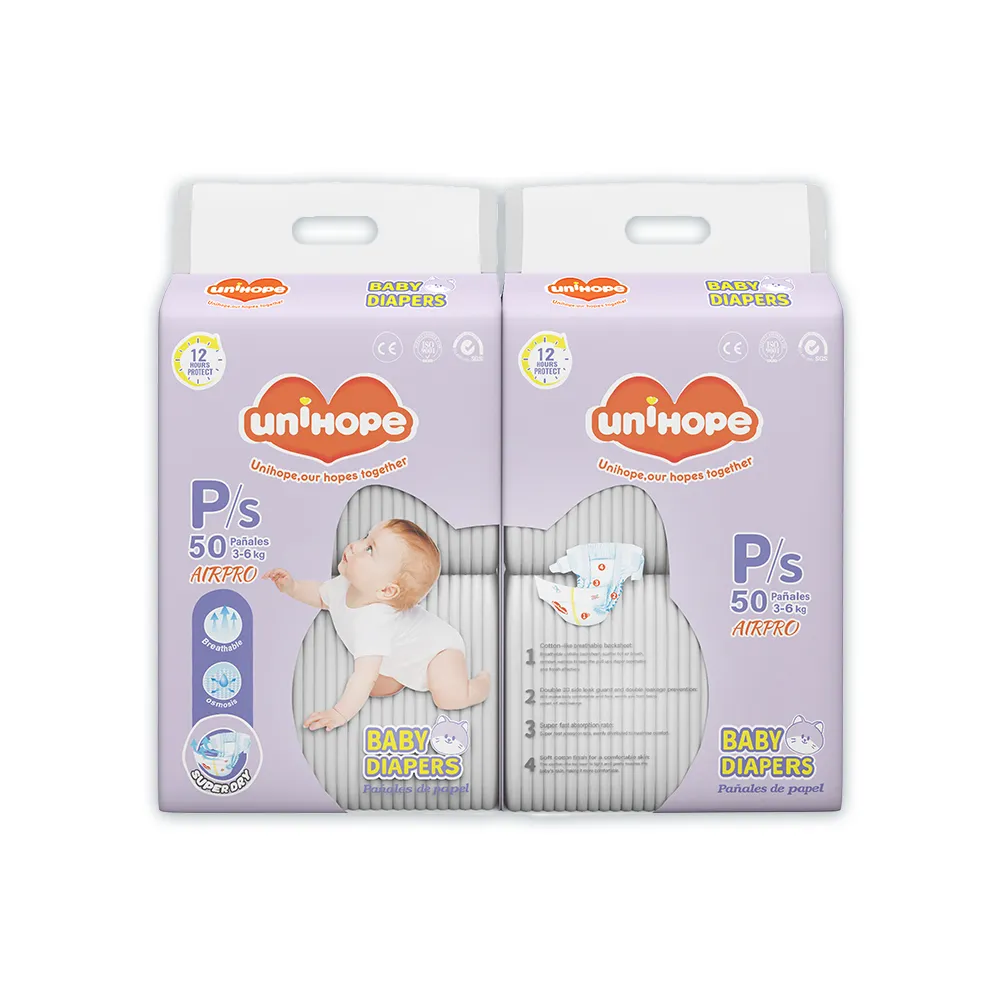
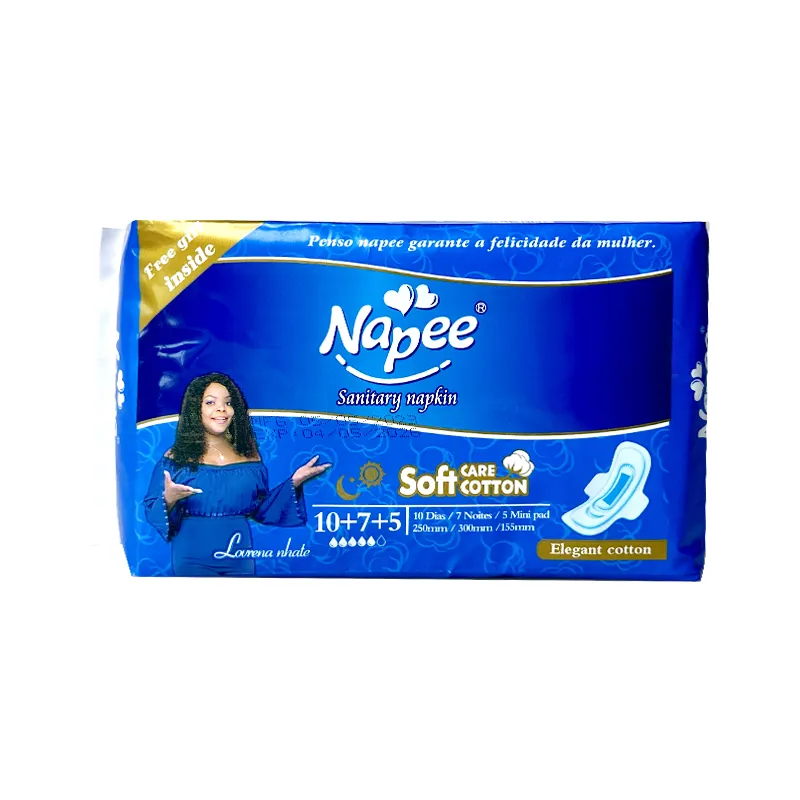
In practice, buyers in the B2B market often prefer manufacturers that can offer bundled product solutions. For example, combining sanitary pads, pantyliners, and menstrual pants within one supplier reduces coordination costs and simplifies inventory planning. This is particularly relevant for distributors supplying supermarkets or e-commerce platforms, where product variety directly impacts shelf competitiveness.
2. Evaluate Regulatory Compliance of Feminine Care Product Contract Manufacturers
Regulatory compliance is one of the most critical factors when selecting feminine care product contract manufacturers. Because feminine hygiene products come into direct contact with sensitive skin areas, strict hygiene and safety standards apply in most markets.
Professional manufacturers typically maintain documentation for internationally recognized certifications such as:
- ISO quality management certification
- GMP (Good Manufacturing Practice)
- Dermatological safety testing reports
- Material safety data sheets
Buyers often request these documents during the supplier screening process. Clear documentation usually indicates that the manufacturer operates within a structured quality management system.
Compliance experience is especially important when products are exported to different markets. Regulations can vary across regions, and manufacturers with international export experience are generally better prepared to handle documentation and labeling requirements.
Some manufacturers also align their production with stricter internal standards than required by local regulations. This approach is often adopted by suppliers targeting European or North American markets, where product safety expectations tend to be higher. For B2B buyers, this kind of proactive compliance mindset can reduce long-term risk, especially when expanding into new regions.
3. Review Manufacturing Facilities of Feminine Care Product Contract Manufacturers
The physical manufacturing environment can reveal a great deal about a supplier’s operational standards. Reliable feminine care product contract manufacturers typically operate facilities designed specifically for hygiene product production.
Important elements within such facilities often include:
- Controlled manufacturing environments
- Automated production lines
- Hygienic raw material storage systems
- Quality inspection checkpoints
Automation is particularly valuable in feminine hygiene manufacturing. Consistent machine operation reduces the risk of variability in absorbency layers, adhesive positioning, or product dimensions.
Procurement teams frequently conduct factory audits or request facility reports before finalizing long-term agreements. Even virtual factory tours can provide useful insights into production organization and equipment conditions.
Beyond equipment, the overall workflow inside a factory also deserves attention. The separation between raw material zones, production lines, and finished goods storage can indicate how seriously a manufacturer approaches contamination control. In hygiene product manufacturing, these small operational details often reflect broader management discipline.
4. Assess Raw Materials Used by Feminine Care Product Contract Manufacturers
For feminine care product contract manufacturers, raw materials play a decisive role in product performance. Absorbency, comfort, breathability, and skin compatibility all depend on the quality of material components used during production.
Common materials used by feminine care product contract manufacturers include:
- Nonwoven surface layers
- Absorbent cores
- Breathable back sheets
- Adhesive backing strips
- Skin-friendly treatment layers
When evaluating suppliers, buyers often request documentation related to:
- Material traceability
- Chemical safety compliance
- Skin irritation testing
- Biocompatibility testing
Manufacturers with established raw material supplier networks usually achieve more consistent product performance. Stable material sourcing also reduces production disruptions caused by supply fluctuations.
Sustainability is gradually becoming part of the discussion as well. Some brands now explore biodegradable materials or organic cotton components for certain product lines.
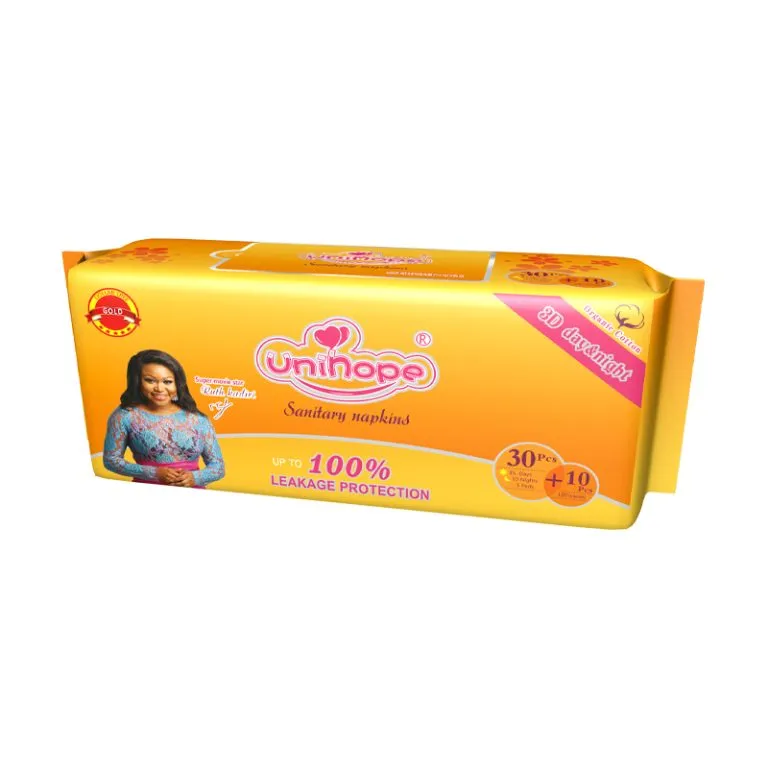
On actual product pages such as sanitary napkins and pantyliners, features like quick absorption, leak-proof design, and breathable layers are directly tied to material selection. For example, high-quality absorbent cores determine how fast liquid is locked in, while breathable back sheets influence overall comfort during long wear. These are not just marketing claims; they are outcomes of material engineering decisions made during production.
Some manufacturers are also introducing plant-based fibers or hypoallergenic surface layers, which respond to growing demand from retailers targeting health-conscious consumers. For B2B buyers, understanding how these material choices affect both cost and positioning can be useful when building differentiated product lines.
5. Analyze Production Capacity of Feminine Care Product Contract Manufacturers
Production capacity can significantly affect long-term cooperation between buyers and feminine care product contract manufacturers. Retail programs, especially those involving large store networks, require manufacturers capable of maintaining stable output levels.
Several indicators often reveal strong production capability:
- Multiple production lines dedicated to hygiene products
- Backup machinery for maintenance periods
- Reliable raw material inventory planning
- Efficient packaging and warehousing systems
Suppliers operating at very limited capacity may struggle to accommodate large purchase orders or sudden increases in demand.
Manufacturers with scalable production infrastructure tend to be better partners for long-term retail supply agreements.
In addition to volume, flexibility is often overlooked. Some suppliers can adjust packaging formats, combine multiple SKUs within a single shipment, or support mixed container loading. These capabilities are particularly useful for distributors managing diverse product portfolios across different sales channels.
6. Compare Feminine Care Product Contract Manufacturers Using Structured Evaluation
Procurement teams often evaluate suppliers using comparison frameworks. A structured approach allows buyers to review multiple feminine care product contract manufacturers objectively.
An example evaluation table might look like this:
While actual procurement processes are usually more detailed, comparison frameworks help decision-makers identify potential risks and advantages among candidate suppliers.
In real-world procurement, these tables are often supported by sample testing results, audit reports, and trial orders. A manufacturer that performs well on paper may still require validation through small-scale production runs before full commitment. This layered evaluation process helps reduce uncertainty in supplier selection.
| Evaluation Criteria | Manufacturer A | Manufacturer B | Manufacturer C |
|---|---|---|---|
| Certifications | ISO, GMP | ISO | ISO, GMP |
| Production Capacity | Medium | High | High |
| Material Traceability | Partial | Full | Full |
| Private Label Experience | Limited | Extensive | Extensive |
| Quality Testing Lab | External | Internal | Internal |
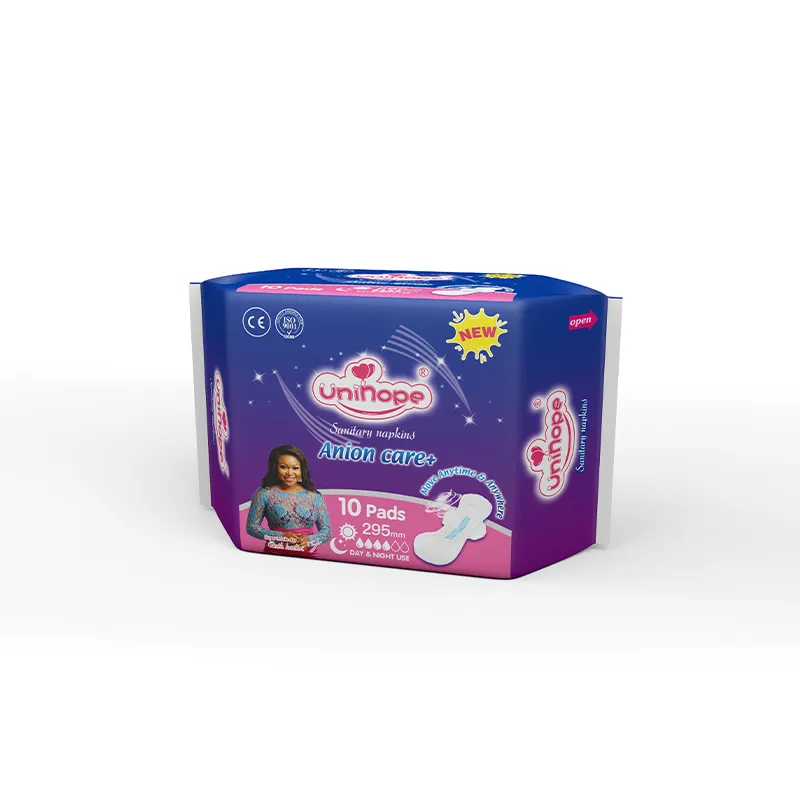
7. Private Label and OEM Experience in Feminine Care Product Contract Manufacturers
Private-label production plays a major role in the feminine hygiene industry. Many retailers collaborate with feminine care product contract manufacturers to produce branded products under their own labels.
Manufacturers experienced in OEM projects, such as those producing ultra-slim sanitary napkins, often provide services beyond basic production, such as:
- Custom packaging development
- Barcode and labeling compliance
- Retail packaging optimization
- Flexible production batch sizes
OEM experience can simplify the development process for new product lines. Manufacturers familiar with retail supply chains usually understand packaging durability, shelf display considerations, and logistics requirements.
For brands entering the feminine hygiene market, working with an experienced OEM partner can significantly reduce development time.
Manufacturers that already serve international distributors often understand how to adapt products for different markets. For instance, packaging size, absorbency levels, and even product naming conventions may vary depending on regional preferences. This kind of experience becomes especially valuable for B2B buyers entering unfamiliar markets.
8. Quality Control Systems in Feminine Care Product Contract Manufacturing
For feminine care product contract manufacturers, quality control procedures are a critical part of hygiene product manufacturing. Consistency across production batches ensures that products meet safety and performance expectations.
Reliable feminine care product contract manufacturers typically implement multiple inspection stages during production.
Typical quality checkpoints include:
- Incoming raw material inspection
- In-process monitoring during production
- Absorbency and leakage testing
- Adhesive strength verification
- Final product inspection
Some manufacturers operate internal laboratories capable of performing absorbency simulations and safety evaluations. Others collaborate with independent testing organizations.
Regardless of the testing method, traceable records and documented quality procedures remain essential for maintaining long-term reliability.
Consistency across batches is often more important than achieving peak performance in a single production run. Retailers expect products to perform the same way every time, which means manufacturers must control variation at every stage of production. This is where internal testing labs and standardized procedures make a noticeable difference.
9. Logistics and Supply Chain Reliability of Feminine Care Product Contract Manufacturers
Even when production quality is high, supply chain disruptions can create significant challenges for retailers and distributors. Reliable feminine care product contract manufacturers usually maintain organized logistics systems that support stable delivery schedules.
Key indicators of supply chain reliability include:
- Established freight partnerships
- Export documentation experience
- Inventory management systems
- Flexible shipping arrangements
For buyers supplying national or international markets, consistent delivery performance becomes just as important as product quality.
Manufacturers with strong logistics coordination are often better equipped to support long-term retail distribution programs.
For buyers, logistics reliability often translates directly into business continuity. Delays in shipment can lead to stock shortages, lost shelf space, or disrupted promotional campaigns. As a result, many buyers prioritize suppliers that demonstrate consistent delivery performance over those offering slightly lower pricing.
Conclusion
Choosing reliable feminine care product contract manufacturers requires a careful evaluation of several factors, including regulatory compliance, raw material quality, production capacity, and supply chain stability.
For retailers, distributors, and brand owners, a capable manufacturing partner provides more than production services. Experienced suppliers help ensure product safety, maintain consistent quality standards, and support scalable growth in the competitive feminine hygiene market.
As global demand continues to expand, manufacturers that combine strong technical capabilities with transparent operations are likely to remain valuable long-term partners for B2B buyers.
From a commercial perspective, the relationship between buyers and feminine care product contract manufacturers is no longer limited to transactional purchasing. It increasingly involves collaboration in product development, packaging strategy, and market positioning. Manufacturers that understand these broader business needs are often better aligned with the expectations of modern distributors and retailers.
FAQ
What do feminine care product contract manufacturers produce?
They typically manufacture sanitary pads, pantyliners, tampons, wipes, and other feminine hygiene products for brands, wholesalers, and retailers through OEM or private-label arrangements.
How can buyers evaluate manufacturer reliability?
Buyers usually review certifications, inspect production facilities, evaluate product samples, and analyze testing documentation before establishing long-term cooperation.
Are certifications necessary when selecting manufacturers?
Certifications such as ISO and GMP help demonstrate that the manufacturer follows recognized hygiene and quality management standards, which is particularly important for personal care products.
Can contract manufacturers support private label brands?
Yes. Many feminine care product contract manufacturers specialize in OEM production and provide services such as packaging design, labeling compliance, and bulk manufacturing.
Why is supply chain reliability important in feminine hygiene manufacturing?
Feminine hygiene products are essential consumer goods. Retailers and distributors rely on stable supply to avoid stock shortages and maintain consistent product availability.