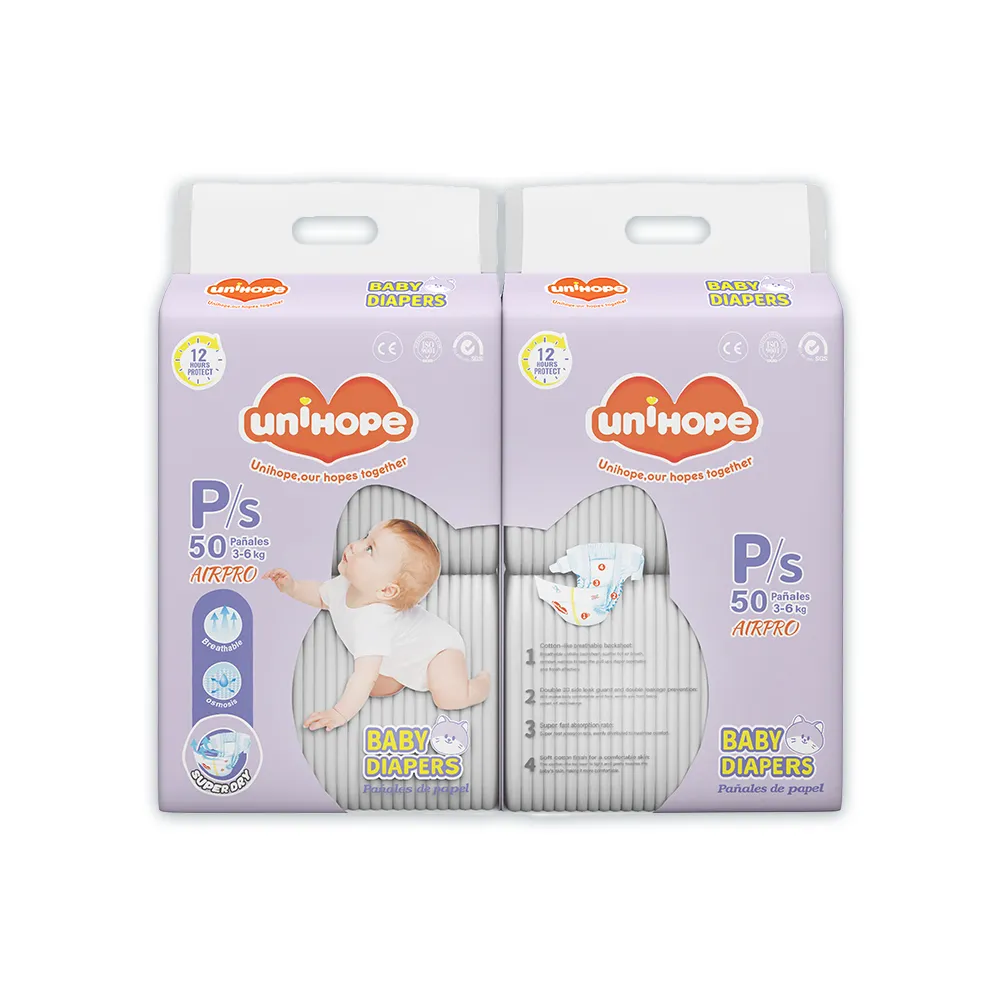
The world of incontinence products has shifted. It wasn’t that long ago that this industry felt purely clinical, hidden away in the back of medical supply catalogs. But as we settle into 2026, the landscape looks different. It feels less like a medical necessity and more like a standard consumer good, almost like buying socks or toothpaste, just with a bit more logistical headache attached. When you are looking into Adult Diapers Wholesale, you aren’t just buying plastic and pulp anymore; you are buying into a market that is demanding dignity, discretion, and, frankly, better technology.
It is interesting to observe how the stigma has evaporated, or at least, faded significantly. The aging population isn’t just sitting at home; they are active, they are traveling, and they demand products that can keep up. For a retailer or a distributor, this means the “one size fits all” approach is dead. Gone. You have to offer variety.

The State of the Market in 2026
If you have been watching the trends, you know that 2026 is the year of specificity. In the past, you had “Small, Medium, Large” and maybe “Night vs. Day.” Now, the Adult Diapers Wholesale market is segmented into tiny niches. You have eco-friendly bamboo options, slim-fit designs for activewear, and heavy-duty medical grades that can practically hold a gallon of fluid.
It’s overwhelming, honestly. Walking through a trade show these days feels like entering a tech convention. Manufacturers are talking about “smart sensors” and “biodegradable polymers” rather than just cotton fluff.
The Green Revolution is No Longer Optional
There was a time when “eco-friendly” was just a marketing buzzword used to charge 20% more. But now? It’s a requirement. One notices that consumers are actually flipping the package over to read the ingredients. They want to know if the plastic backing is recyclable or if the pulp is sustainably sourced. If your wholesale inventory is strictly old-school plastic-heavy diapers, you might find them sitting in the warehouse longer than you’d like.
It is a bit of a double-edged sword for buyers. Eco-friendly materials often cost more to manufacture, squeezing the margins on the wholesale side. However, the sell-through rate is faster. It’s a trade-off.
Tech Integration and “Smart” Diapers
We are seeing chips embedded in disposables now. It sounds sci-fi, but for nursing homes, it’s a game-changer. These sensors alert caregivers when a change is needed. Sourcing these through Adult Diapers Wholesale channels is tricky because the tech adds a layer of complexity to the supply chain. You aren’t just checking for leaks; you have to check for connectivity. It is a niche, sure, but it is growing fast.
Critical Features to Scrutinize
When you are stripping away the marketing fluff and actually looking at the product—holding it in your hands—there are a few things that determine if a product is trash or treasure.
The “Crinkle” Factor and Discretion
This sounds funny if you aren’t in the industry, but the “crinkle” is a dealbreaker. Users hate it. If a diaper sounds like a bag of chips every time the wearer takes a step, they won’t buy it again. When evaluating samples from a wholesale distributor, you have to physically handle the product. Shake it. Twist it.
The best products in 2026 use textile-like backsheets that are silent. Today’s consumer is actively hunting for a Breathable and Soft Adult Diaper that offers discretion without compromising on absorption. If you are importing a container load of the cheaper, plastic-backed variety, just know you are targeting a very price-sensitive, non-active demographic.
Absorption Technology (SAP)
At the heart of every diaper is the SAP—Super Absorbent Polymer. It’s that white powder that turns into gel when wet. It’s magic, basically.
• Low SAP: The diaper is bulky, thick, and leaks under pressure.
• High SAP: The diaper is thin, discreet, and holds moisture away from the skin.
The trick with Adult Diapers Wholesale negotiation is asking specifically about the SAP weight (usually in grams). A supplier might tell you a diaper weighs 100g, but if 90g of that is wood pulp and only 10g is SAP, it’s a low-quality product. You want a higher ratio of SAP.
Sourcing Strategies: Where to Buy
Finding a supplier is easy. Finding a good supplier is a nightmare. You have directories, trade shows, and agents, all promising the best price.
Domestic vs. Overseas Manufacturers
It usually comes down to this: speed vs. price.
If you source domestically (or regionally), you get faster shipping. You don’t have to worry about a container getting stuck in the Suez Canal for three weeks. The communication is easier. But the price? It’s higher. Labor costs and overheads are baked in.
Overseas manufacturing—mostly Asia, though parts of Africa and Eastern Europe are coming up strong—offers the best margins for Adult Diapers Wholesale. But you have to have nerves of steel. Lead times can stretch to 60 or 90 days. You have to forecast demand way in advance.
Managing Logistics and MOQs
The Minimum Order Quantity (MOQ) is the barrier to entry. Most overseas factories won’t talk to you unless you are buying a 40-foot High Cube container. That’s about 30,000 to 40,000 pieces depending on packaging. If you are a small wholesaler, this is too much cash tied up in stock.
• Full Container Load (FCL): Best price, huge volume.
• Less than Container Load (LCL): You share space, price goes up, risk of damage goes up.
Pricing Structures and Hidden Costs
The sticker price is never the final price. It feels like every time you turn around, there is another fee. There is the FOB price (Free On Board), which is just getting it to the ship. Then you have freight, insurance, tariffs, port fees, and drayage (trucking it from the port).
Here is a rough breakdown of what the pricing hierarchy looks like in 2026 for a standard adult brief.
| Product Tier | Wholesale Cost Range (Per Piece) | Target Retail Price | Key Feature |
|---|---|---|---|
| Economy / Institutional | $0.18 – $0.25 | $0.45 – $0.60 | Plastic backing, lower SAP, generic fit. |
| Standard Retail | $0.28 – $0.38 | $0.75 – $0.95 | Cloth-like feel, breathable, wetness indicator. |
| Premium / Overnight | $0.45 – $0.60 | $1.20 – $1.50 | High SAP, odor control, double leak guards. |
| Eco-Friendly | $0.55 – $0.70 | $1.60+ | Bamboo fiber, biodegradable packaging. |
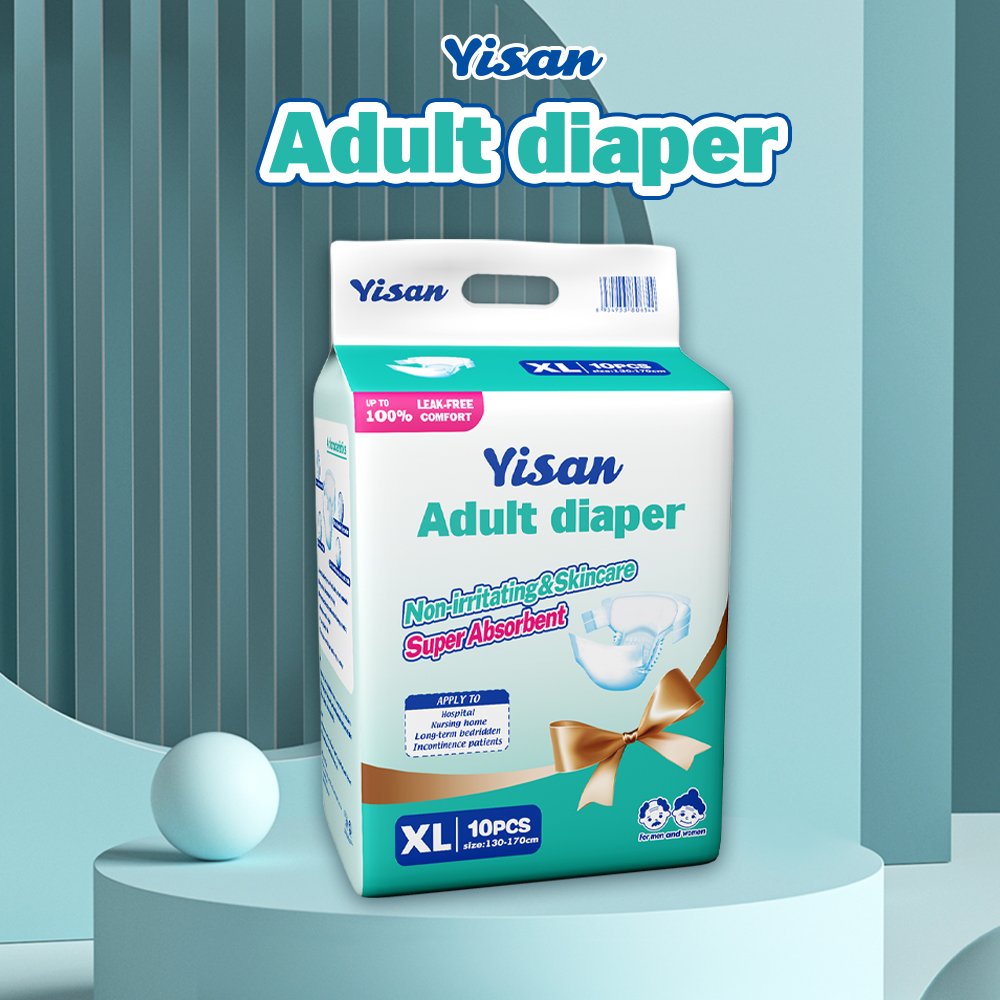
You can see the spread. The money in Adult Diapers Wholesale is often made in the “Standard Retail” tier—it moves fast and has decent margins. However, the Premium tier builds better long-term loyalty. High-performance products, such as the Unihope Adult Diaper and Freshcomfy and Soft Adult Pants, fall into this category and command higher prices because customers trust them to last through the night without failure.
Quality Control: The “Touch and Tear” Test
Never, ever place a bulk order without testing the samples from the actual production line. Pre-production samples are often “golden samples”—perfect, hand-made prototypes. You want to see what comes off the machine on a Tuesday afternoon.
Here is a checklist one should mentally run through:
1. The Tape Test: Fasten the tapes, then try to rip them off. Do they tear the diaper chassis? If they do, the plastic is too thin.
2. The Stretch Test: Pull the leg cuffs. They should snap back instantly. If the elastic feels lazy or brittle, it will leak. Elastic degrades in heat, so if the container sat in the sun, the product might be ruined.
3. The Wetback Test: Pour water on it. Wait two minutes. Press a paper towel on top. If the towel gets wet, the diaper has poor “wetback” (it doesn’t lock moisture away). This causes skin rashes and angry customers.
Navigating Private Label (OEM)
A lot of businesses in 2026 are moving away from reselling big brands and starting their own private labels. It makes sense. Why build equity for someone else’s brand?
When you do Private Label Adult Diapers Wholesale, you are essentially renting the factory’s capability. You design the bag, you choose the specs. But be warned: the setup costs are high. You have to pay for the printing plates for the packaging (cylinders), which can cost thousands upfront. And once you print 50,000 bags, you are married to that design.
It allows you to control the narrative, though. You can market it as “The Most Comfortable Nighttime Brief” rather than just “Brand X Diaper.”
Marketing Your Wholesale Stock
So you have a warehouse full of diapers. Now what? The marketing in 2026 is subtle. You can’t just shout “DIAPERS!” at people. It is about “Wellness” and “Sleep Quality.”
One effective strategy is sampling programs. People are terrified of buying a whole pack of diapers that don’t fit. Offering “Trial Packs” (2-3 pieces) breaks down that barrier. If you are selling B2B (to nursing homes or pharmacies), providing them with free samples to hand out is the best way to grease the wheels.
Also, don’t ignore the caregiver. The person buying the Adult Diapers Wholesale packs often isn’t the person wearing them. The marketing needs to speak to the daughter taking care of her dad, or the nurse managing a ward. They care about ease of change and odor control.
Final Thoughts on Inventory Management
These things are bulky. They take up a massive amount of cubic feet. Storage fees can eat your profit alive if the stock doesn’t move. It is a volume game. You need high turnover.
It’s better to run out of stock occasionally than to be sitting on six months of inventory that is gathering dust and taking up space that could be used for higher-value items. It’s a balancing act, really.
Conclusion
Entering the Adult Diapers Wholesale market in 2026 is a smart move, but it is not a “get rich quick” scheme. It requires patience, a good understanding of logistics, and a genuine empathy for the end user. The products are better than they used to be, the supply chains are faster (mostly), and the demand is only going up.
If you focus on quality—specifically the SAP ratio and the comfort of the backsheet—and you navigate the shipping logistics carefully, there is a lot of opportunity here. Just remember to check the elastic before you sign the check.
FAQ
What is the standard shelf life for adult diapers?
Typically, they last about 3 years. After that, the elastic bands can start to become brittle and snap, and the SAP might lose some effectiveness if stored in humid conditions.
How do I determine the right size mix for a wholesale order?
A general rule of thumb for starting inventory is 15% Small, 40% Medium, 35% Large, and 10% XL/XXL, though the demand for larger sizes (XL and Bariatric) is trending upward in Western markets.
Can I negotiate the Minimum Order Quantity (MOQ) with manufacturers?
Sometimes, but it’s difficult for customized orders. You have a better chance of lowering the MOQ if you buy “stock lots” (excess inventory) or standard white-label products that the factory is already running for other clients.