I. Four-Step Safe Changing Protocol
1. Preparation: Environment and Tools
2. Core Technique: Three-Line Alignment
3. Dynamic Verification: Tilt Test
4. Disposal Method: Odor Control
II. Comfort Optimization Technologies
1. Smart Waistband Compensation
2. Air Circulation System
Pick diapers with gentle stretchiness that follows baby’s moves. Test by lightly tugging the waistband – it should spring back like a soft hug without squeezing skin. This smart stretch helps prevent leaks when rolling over or sitting up. Look for smooth leg cuffs that flex with kicking legs and crawling knees.
Select “springy” baby diapers that breathe like bamboo curtains, letting air flow freely between layers. In summer, choose feather-light styles that feel like thin silk bedsheets. Winter calls for fleece-lined types – pair with wool booties and keep room temps at 19℃. Touch-test: Material should never cling to skin after 30 mins.
3. Friction-Reduced Contact Layer
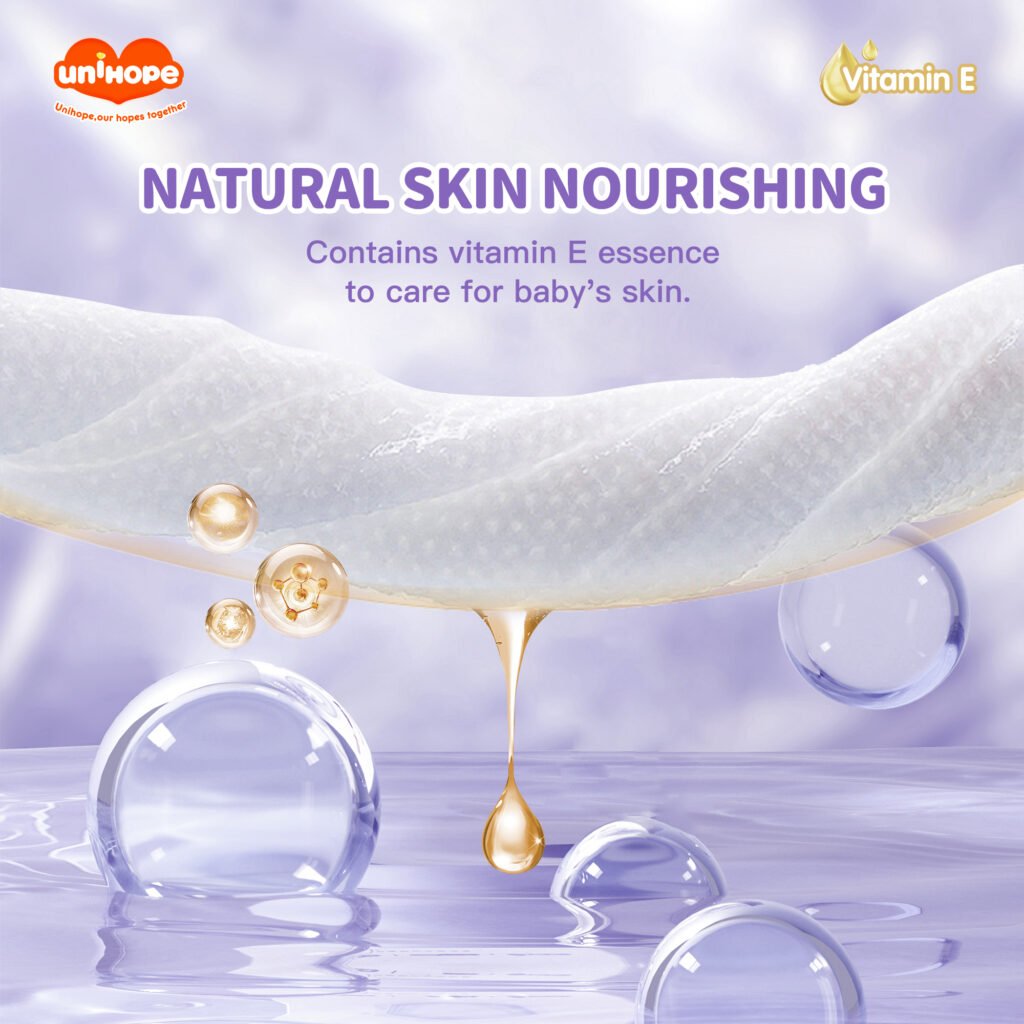
Choose diaper for babies with velvety surfaces – imagine thousands of tiny cushion dots. Gently rub the lining between fingers; it should feel like peach fuzz, not plastic. Perfect for crawlers and nap time, these micro-patterns reduce red marks better than smooth materials. Check after three hours: Skin stays dry with no sticky residue.
4. Rapid Absorption
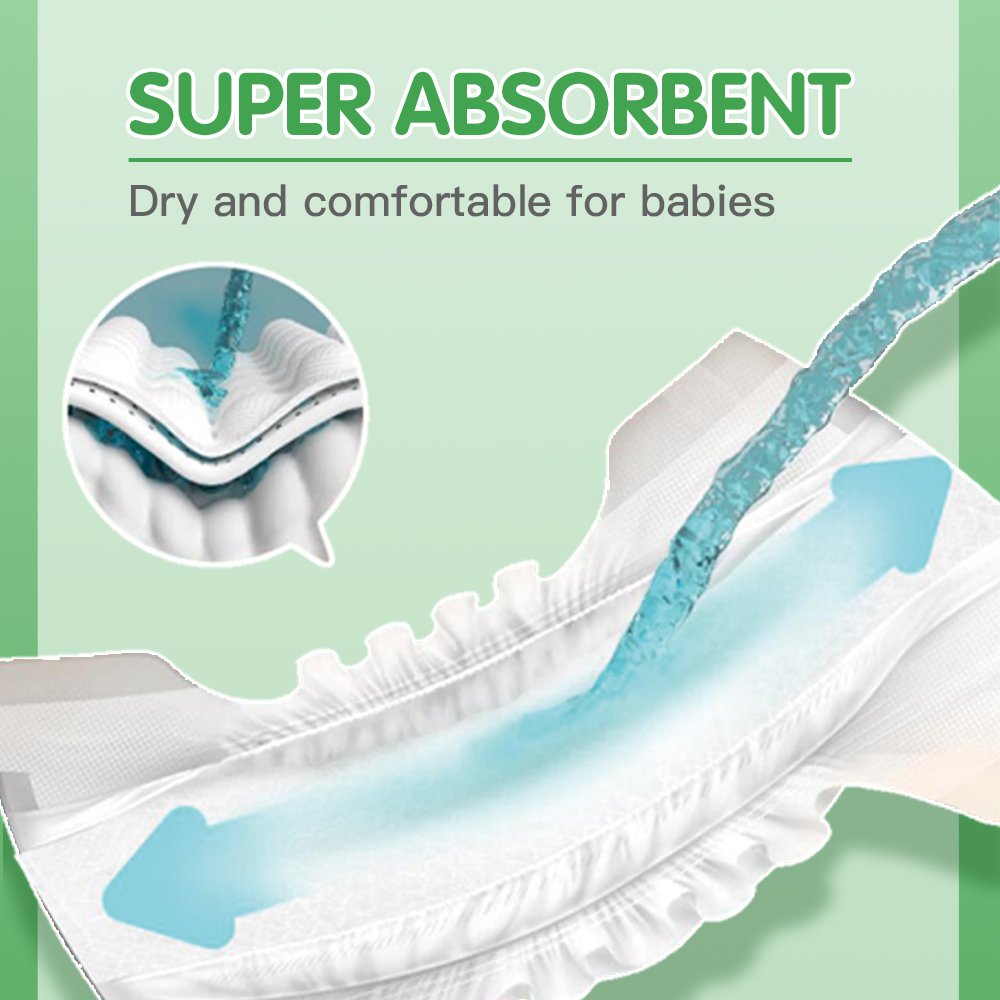
Do the splash test: Pour 50ml (about three teaspoons) onto baby diapers. Watch it vanish in 3 clicks – like juice disappearing into sandcastles. The secret? Inner layers with tiny “rivers” that channel liquid fast. Check for dry surfaces after tummy time. Avoid those leaving shadow marks after cleanup.
III. Seasonal Solutions
1. Anti-Leak Strategies
- Pull leak-proof cuffs outward during wear.
- Place folded gauze at the front for boys to absorb sudden flows.
- Choose 3cm-wide 3D leak-proof edge designs.
2. Winter Protection :
- Preheat diaper for babies to 32℃ (using bottle warmers).
- Cover the baby’s lower back with warm hands during changing.
- Use thermal-retention versions with aerogel-lined padding.