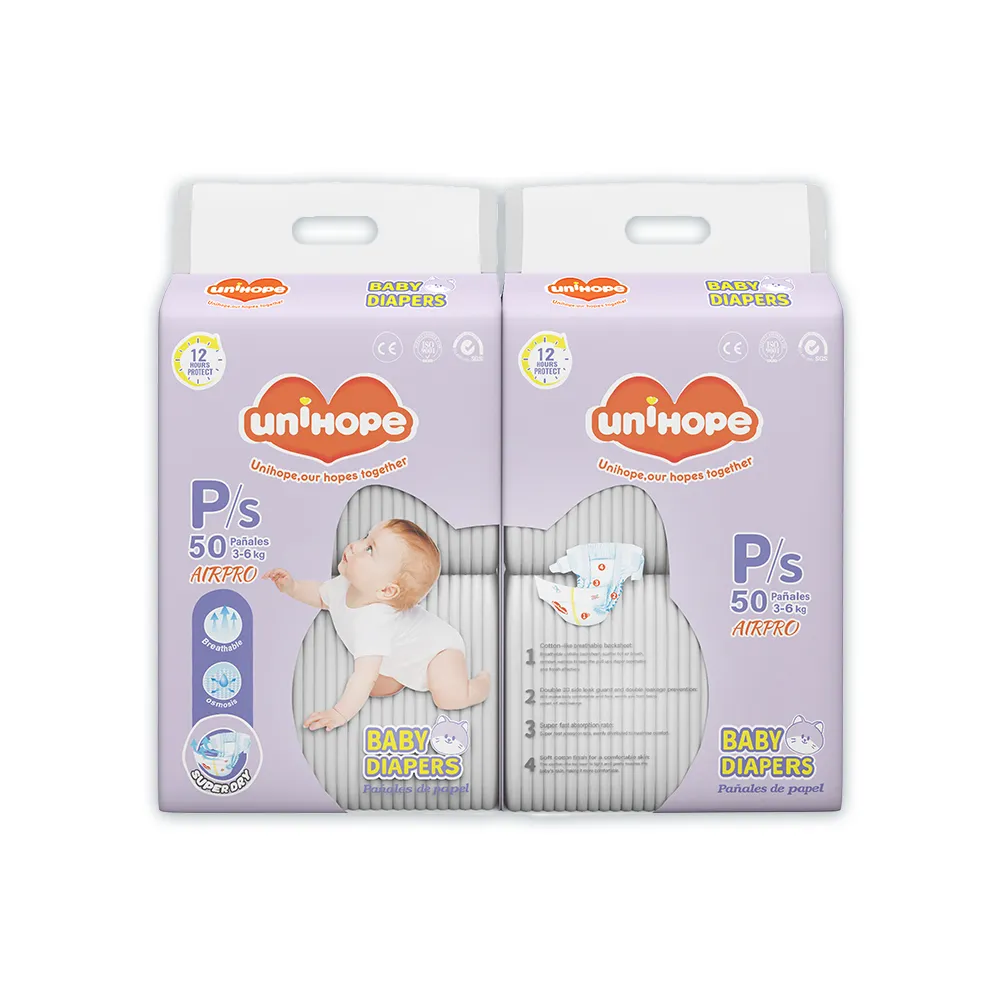
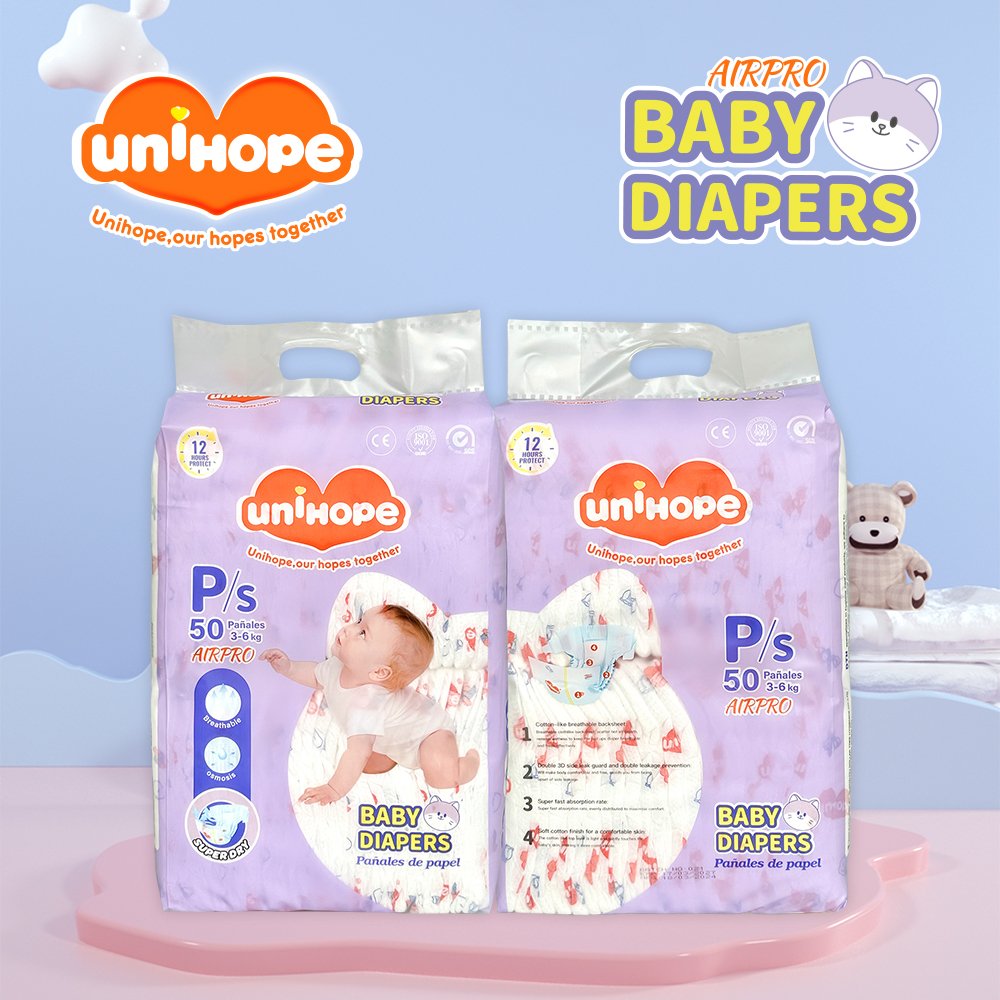
For maternity and baby product wholesalers, retailers, and e-commerce sellers, sourcing cost-effective baby diapers is key to enhancing market competitiveness. With the global baby diaper market exceeding $50 billion annually, how do you select stable and high-value suppliers from countless options? This article breaks down the practical logic of professional procurement from three dimensions: core supply chain elements, cost-performance balance skills, and industry trend insights, aiming to help you find suitable baby diapers wholesale.
I. Three Core Criteria for Selecting High-Quality Baby Diaper Suppliers
1. Quality Certifications: The Invisible “Hard Threshold”
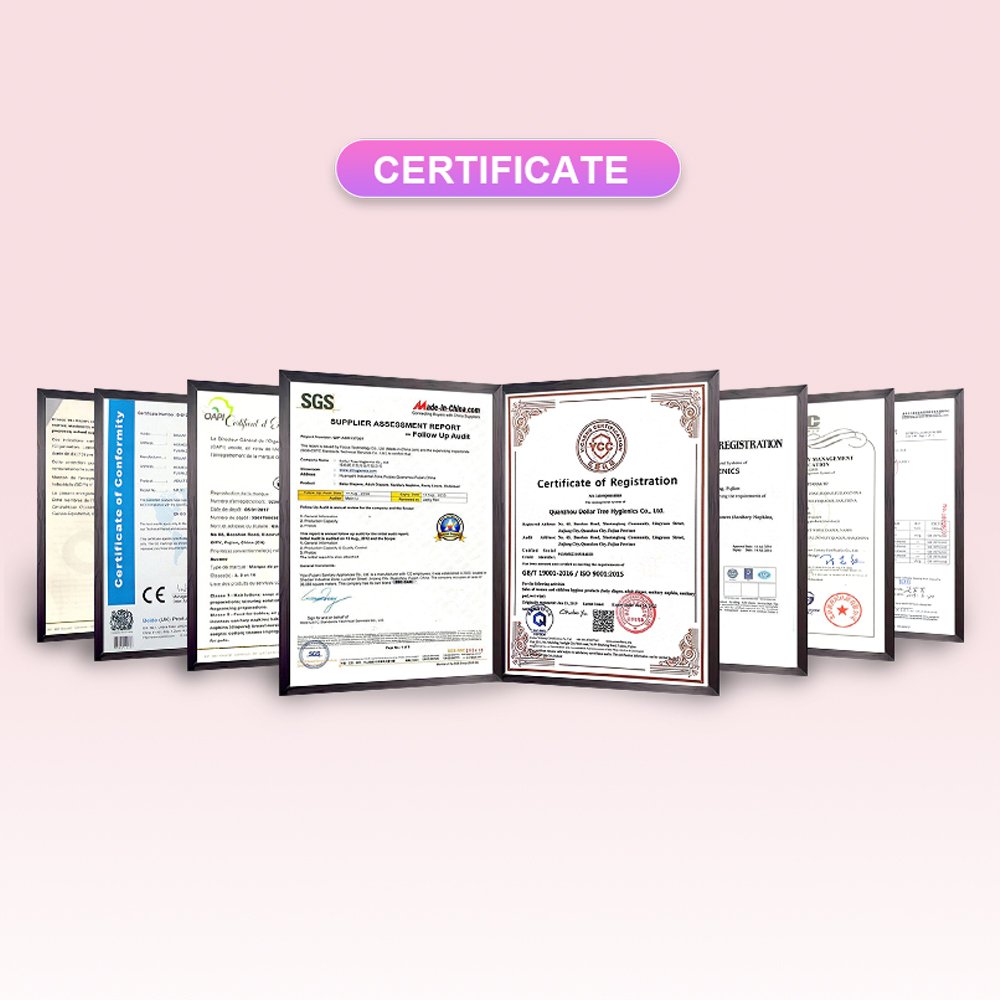
International quality certifications are the first guarantee of product safety. Companies with ISO 9001 certification ensure strict quality control from raw material procurement (such as US-imported wood pulp and Japanese Sumitomo superabsorbent polymers) to production processes (online absorption rate testing every 15 minutes). Leading manufacturers like Duolashu Group hold multiple certifications (CE, SGS, etc.), and their baby diapers have a backflow volume of <0.5g (industry excellent standard: <1g) in third-party tests, reducing diaper rash risks. Such data can be verified through suppliers’ testing reports.
2. Production Capacity and Supply Chain Stability
3. Service Value: Beyond Products to Comprehensive Support
II. Practical Tips for Balancing Cost and Performance: Avoid Low-Price Traps
1. Compare “Full Lifecycle Cost” Over Unit Price
Cheap diapers may hide hidden costs: a 10% lower unit price could lead to 20% higher consumer complaints due to poor absorbency, increasing return costs and damaging brand reputation. Ask for “cost per use” data—calculate based on absorption capacity (≥800ml ideal), leakage rate (<5%), and other metrics for real price-quality ratio.
2. Negotiate Minimum Order Quantity (MOQ) and Payment Terms
New buyers often prefer low MOQs, but many suppliers offer 3%-5% discounts for orders over 500 boxes with 60-day payment terms (subject to credit review). For example, as a professional diaper manufacturer, we offer 100-box trial orders for new clients, with 1.5% price cuts for every 200-box increment, ideal for scaling businesses.
3. Optimize Regional Supply Chains
Global production concentrates in China, the US, and Japan. Chinese suppliers offer the “golden cost-performance ratio”—30%-40% cheaper than US manufacturers, 20%-25% cheaper than Japanese ones, with mature cross-border logistics.
III. Three Key Trends in Baby Diapers Wholesale
1. Functionally Segmented Products Drive Growth
Specialized diapers outpace generic ones: “ultra-thin & breathable” (thickness ≤2mm) summer models grow 25% annually, while anti-allergy series with natural extracts (aloe, marigold) see 40% higher repurchase rates. Duolashu Group launches 1-2 new products monthly, including “night-time reinforced” diapers that reduce overnight leakage by 60% via enlarged back absorption zones, becoming a new profit driver.
2. Rising Environmental and Compliance Standards
Regulations like the EU Single-Use Plastics Directive and US CPSIA require stricter material standards. Our group’s “Green Series” uses 30% biodegradable surfaces and recyclable PE packaging, compliant with major markets to avoid trade barriers.
3. Digital Tools Empower Procurement Decisions
Leading suppliers offer online platforms for real-time inventory tracking, automated order reports, and AI-driven product recommendations—input target market and customer demographics, the system suggests breathable, small-size-focused portfolios, improving selection efficiency by 30%.