Parents often ask how many diapers a baby needs and what the correct baby diaper size should be. To ensure the diaper fits right, you should check your baby’s weight and use a diaper size chart to select the proper baby diaper size. This is especially important for newborn diapers. In fact, about 29.4% of parents use diapers that do not fit properly, often because they run out of the right baby diaper size.
Choosing the right baby diaper size keeps your baby comfortable, helps prevent leaks, and protects their delicate skin. Regularly changing baby diapers and checking the fit is essential for every baby. Many parents want to know how many diapers to buy and which newborn diapers to keep at home. Trying different brands or using a diaper size chart to find the correct baby diaper size can be very helpful. Since babies grow quickly, you may need to adjust the baby diaper size frequently. It’s normal to try a few options before finding the best newborn diapers for your little one.
Why Baby Diaper Size Matters
Comfort and Skin Health
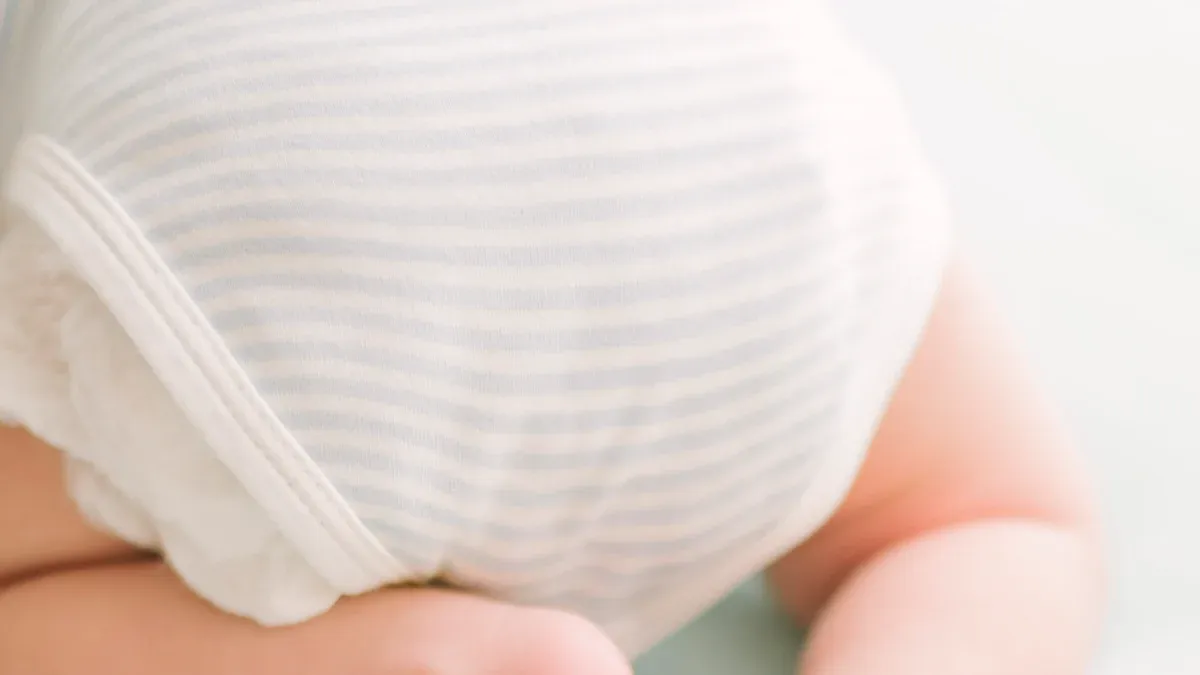
Choosing the right diaper size makes a big difference in a baby’s comfort. When diapers fit well, babies can move freely without red marks or pressure on their skin. A snug diaper keeps the baby’s delicate skin protected from leaks and irritation. Newborns have especially sensitive skin, so parents need to check for signs like redness or chafing. Diapers that are too tight can leave marks and restrict movement, while loose diapers may cause gaps that let messes escape. Many parents notice that a well-fitting diaper helps keep their newborn happy and less fussy. The importance of choosing the right size diaper goes beyond comfort. It also helps prevent diaper rash by reducing friction and keeping moisture away from the skin.
Leak Prevention
A proper diaper size is key to keeping leaks under control. Babies who wear diapers that are too small often experience leaks because the diaper cannot hold enough. On the other hand, diapers that are too large may shift and create gaps, leading to leaks around the legs or waist. Newborns need diapers that fit snugly to avoid blowouts and keep their clothes dry. Parents should watch for signs like frequent leaks, red marks, or side tabs coming undone. These signs mean it might be time to move up to the next diaper size. Many parents find that sizing up at night helps prevent leaks and keeps their baby sleeping longer. Diapers with elastic waistbands and leg cuffs offer extra protection by holding everything in place. Trying different brands or styles can help parents find the best fit for their newborn. Regularly checking the fit and adjusting as the baby grows helps keep leaks and discomfort to a minimum.
Proper diaper sizing prevents leaks, blowouts, and skin irritation.
A snug fit around the waist and legs stops gaps that cause leaks.
Diapers should cover the baby’s bottom fully and fit securely.
Parents should adjust diaper size as their baby gains weight or grows.
Finding the Right Diaper Size

Newborn Diapers
Newborns need special attention when it comes to diapers. Their skin is delicate, and their bodies are small, so the right diaper size matters from day one. Most newborn diapers fit babies up to 10 pounds. Parents often wonder how many diapers to buy for the first few weeks. On average, newborns go through 10 to 12 diapers each day. That means parents may need up to 300 newborn diapers in the first month alone.
Diaper size charts help parents match their baby’s weight to the correct size. For newborns, the infant diaper size chart usually lists “Newborn” for babies up to 10 pounds. Some brands offer a “N/1” size for babies under 12 pounds. Organic and plant-based diapers follow similar sizing, so parents can use the same diaper size chart for these options.
Size | Weight Range (lbs) | Typical Age Range (months) |
|---|---|---|
Newborn | Up to 10 | First few weeks only |
Size 1 | 8 to 14 | Birth to 4 months |
Size 2 | 12 to 18 | 3 to 8 months |
Size 3 | 16 to 28 | 5 to 24 months |
Parents should check the fit of newborn diapers often. Babies grow quickly, and the right diaper size can change in just a few weeks. If the diaper leaves red marks or does not cover the baby’s bottom, it may be time to move up to the next size. Some parents use leftover newborn diapers during the day and switch to a larger size at night to avoid waste.
Choosing the Right Size Diaper
When choosing the right size diaper, parents should look for these signs your baby needs a different size diaper:
Diaper tabs do not reach the middle of the diaper.
Frequent leaks or blowouts.
Diaper rides too low below the belly button.
Red marks or indentations on the skin.
Restricted movement or discomfort.
Visible buttocks outside the diaper.
Tip: The “two-finger test” helps check the fit. If two fingers cannot fit comfortably between the diaper waistband and the baby’s belly, it is time to size up.
Parents should check the fit of diapers regularly. Babies grow fast, and baby diaper sizing can change every few months. Diaper size charts are helpful, but observing the baby’s comfort and fit is even more important. Trial and error is normal. Parents often keep a few days’ worth of diapers in different sizes to avoid running out.
When to Change Diaper Size
Babies outgrow their diaper size as they gain weight and grow. Most babies move up a diaper size every 3 to 5 months in the first year. Parents should watch for signs your baby needs a different size diaper, such as leaks, red marks, or gaps around the legs and waist. The infant diaper size chart shows overlapping weight ranges, so parents may need to try the next size before the baby reaches the upper limit.
Common signs include:
Diaper flaps do not reach the baby’s midline.
Frequent leaks or blowouts.
Diaper rides low or does not cover the belly button.
Red marks or rashes around the thighs or belly.
Diaper feels tight or restricts movement.
Two-finger test fails.
Parents should check the fit of diapers often and adjust as their baby grows. There is no set schedule for changing diaper sizes. Instead, parents should respond to changes in the baby’s body and comfort. Diaper size charts and sizing calculators can help, but the baby’s fit and comfort matter most.