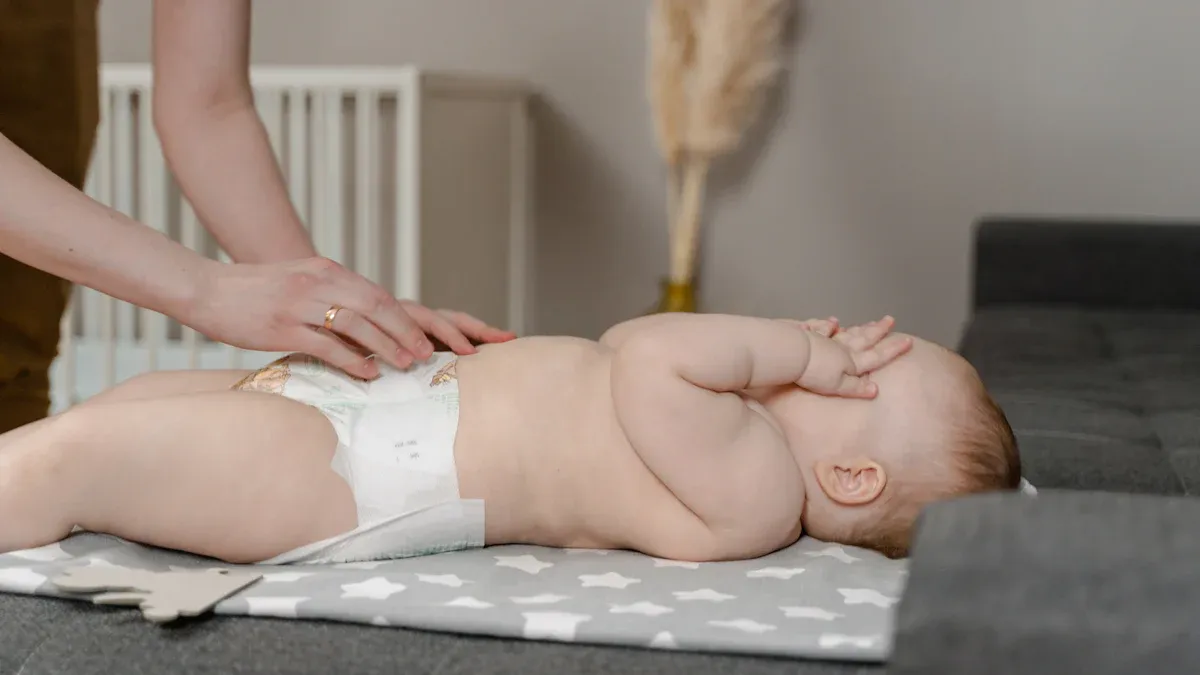
Parents sometimes ask how often to change infant diapers for healthy skin. Doctors recommend checking the infant diaper every two hours and changing it right away if it is wet or dirty. Newborns might need up to 12 infant diaper changes each day. Changing the infant diaper often helps prevent diaper rash and keeps the baby feeling comfortable.
How Often to Change a Newborn’s Diaper
Parents want to know how often to change a newborn’s diaper. Changing diapers keeps babies healthy and comfortable. The answer depends on age, feeding, and skin sensitivity. Doctors say newborns need frequent diaper changes. This helps stop diaper rash and keeps babies happy.
Newborn Diaper Changes
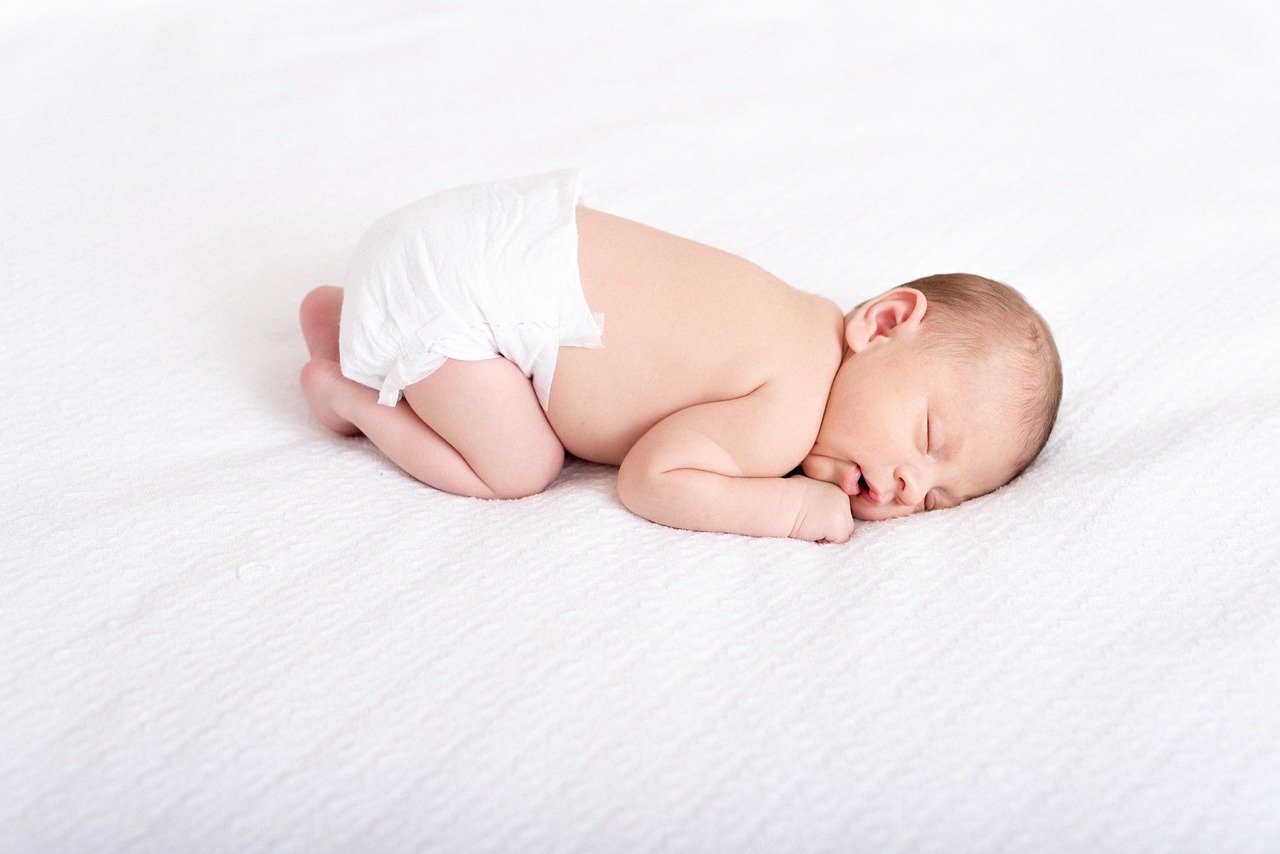
Newborns have small bladders and bowels. They need more diaper changes than older babies. In the first two days, change diapers every 4 to 6 hours. After that, change diapers more often as babies eat more. By day three, change diapers every 2 to 3 hours. This means 10 to 12 changes each day. Breastfed babies poop more often, so they need more changes. If you’re curious about the exact numbers and patterns, our guide How Many Baby Diapers Should A Newborn Have A Day? explains it in detail.
Age Group | Recommended Diaper Change Frequency | Approximate Diapers per Day |
|---|---|---|
0 – 48 hours (newborn) | Every 4 to 6 hours | 6 to 8 |
Newborn (after 48 hrs) | Every 2 to 3 hours | 10 to 12 |
Infant (2 to 6 months) | Every 3 to 4 hours | 8 to 10 |
6 months to toddler | Every 3 to 4 hours during the day + 1 diaper at night | About 5 |
Tip: Change a newborn diaper right after they poop. Leaving a dirty diaper on for more than three hours can cause problems. Babies can get diaper rash, yeast infections, or skin irritation. Urine can also bother a baby’s breathing. Changing diapers often keeps the diaper area clean and healthy.
In the first days, watch for fussiness or a heavy diaper. Use gentle wipes or warm water and mild soap to clean. Hospitals suggest unscented wipes or cloth and water for sensitive skin. If you see a rash, let the skin air out and use diaper rash cream. For baby boys with circumcision, put petroleum jelly on gauze to stop sticking.
Older Infant Diaper Changes
Older babies need fewer diaper changes. Babies between two and six months need a change every 3 to 4 hours. They have fewer wet and dirty diapers as they grow. Formula-fed babies may poop less than breastfed babies. Parents should change diapers based on their baby’s needs.
Cloth diapers need to be changed more often than disposables. Disposable diapers hold more moisture. Do not wait too long to change any diaper. The most important thing is how often you change the diaper, not the type. Babies with sensitive skin may need up to 10 changes a day.
Note: Do not fasten diapers too tightly. Tight diapers keep moisture in and rub the skin. This can cause diaper rash. Always check for redness or irritation when changing diapers.
Nighttime Diaper Changes
Changing diapers at night can be hard for new parents. Newborns need diaper changes at night about every three hours. Change diapers during feedings or if the diaper is dirty. Change before or during night feedings to help babies eat well. This helps babies sleep better after feeding. Use overnight diapers and diaper cream at bedtime to protect skin.
Older babies only need nighttime changes if the diaper is soaked, leaking, or dirty. Changing diapers too much at night can wake babies up. Overnight diapers hold more moisture and help babies sleep longer. As babies grow, they need fewer nighttime changes. Toddlers may use overnight diapers or training pants until they learn bladder control.
Parents can get ready for nighttime diaper changes by keeping supplies close. Use dim lights and dress babies in easy clothes. This makes nighttime changes quick and helps everyone sleep better.
When to Change Your Baby’s Diaper
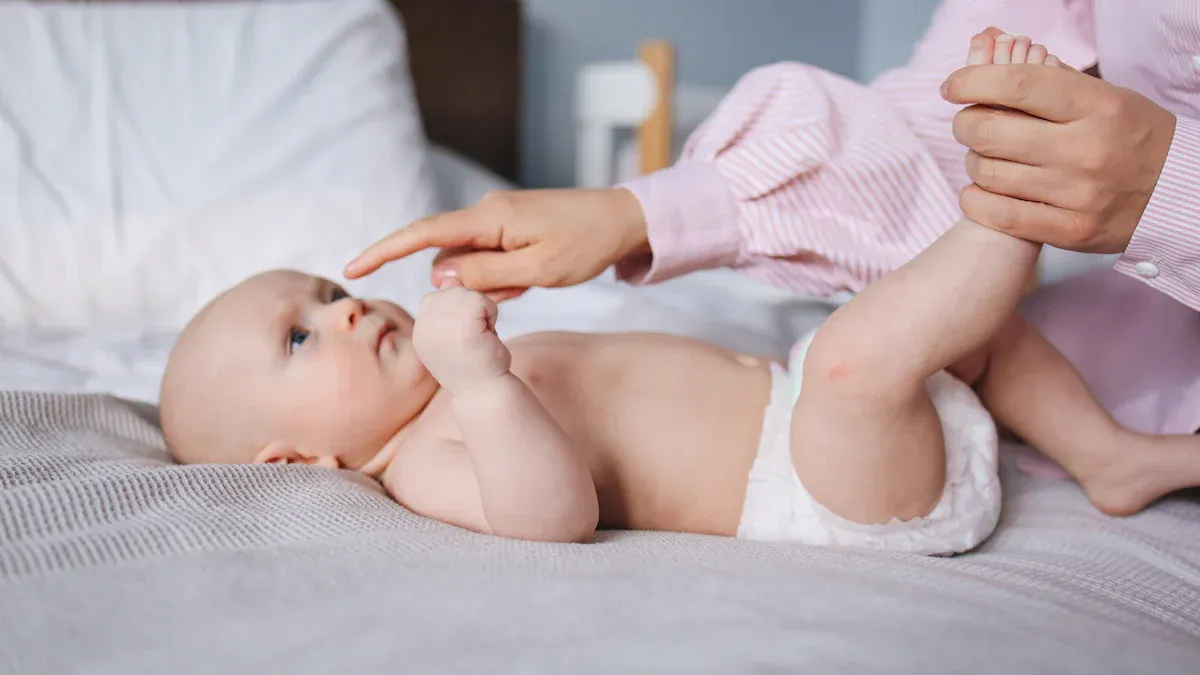
Signs a Diaper Needs Changing
Parents often wonder how to spot when it’s time to change the diaper. Babies give clues that help. Look for these signs:
The diaper feels heavy, squishy, or saggy.
Wetness indicators on the infant diaper change color.
Leaks around the legs or waist.
The baby seems fussy or uncomfortable.
Red marks or irritation on the skin.
Diaper tabs look stretched or out of place.
A baby who cries during feeding or sleep may need a fresh diaper. Checking often helps parents know if the infant is peeing enough. When in doubt, it’s better to change your baby’s diaper more often.
After Feedings and Bowel Movements
Babies usually need a diaper change after every feeding or bowel movement. Frequent pooping is normal, especially for newborns. Parents should prepare all supplies before starting. Gently wipe from front to back and pat the skin dry. Apply a barrier cream if needed. Never leave a baby alone on the changing table. Wash hands well after each change. Quick diaper changes after bowel movements help prevent diaper rash and keep the skin clean.
Preventing Diaper Rash
Diaper rash happens when skin stays wet or dirty for too long. To prevent diaper dermatitis, parents should:
Change diapers often, especially when soiled.
Use gentle, pH-balanced wipes or warm water.
Let the skin air dry with some diaper-free time each day.
Apply barrier creams with zinc oxide or petroleum jelly.
Pick the right diaper size and type for a snug but comfy fit.
High-quality, breathable diapers help keep skin dry. If a rash does not improve in a few days, or if blisters or sores appear, parents should call a doctor. Babies with fever, spreading rash, or severe discomfort need medical care.
Parents can keep their baby’s skin healthy by doing a few things:
Change diapers often, especially after the baby poops.
Use soft wipes that are pH-balanced and use barrier creams.
Dry the skin by patting it and let it air out sometimes.
Changing diapers gently and often stops diaper rash. Parents should trust themselves and ask a doctor if the rash does not get better.
If you want more information about what kind of baby diaper won’t cause rash, you can check our article Which Baby Diapers Do Not Cause Rash?