Introduction: Why Baby Diaper Fit Matters in B2B Supply
When it comes to baby care products, few factors are as important as ensuring a proper baby diaper fit. For parents, a well-fitted diaper means fewer leaks, reduced discomfort, and improved overall satisfaction. For businesses—whether distributors, wholesalers, or retailers—these elements translate directly into customer loyalty, repeat sales, and long-term trust in product quality.
From a B2B perspective, understanding how baby diapers should fit to prevent leaks is not just about functionality; it is about building credibility in the supply chain. A poorly fitting diaper may result in leakage, skin irritation, or consumer dissatisfaction, which can damage a brand’s reputation and increase return rates. Conversely, offering well-designed, properly fitting baby diapers positions businesses as reliable partners in the competitive hygiene market.
Understanding Proper Baby Diaper Fit
The concept of proper diaper fitting for babies goes beyond simply choosing a size labeled “small” or “large.” Instead, it focuses on ensuring balance between comfort, flexibility, and leak protection.
Waistband snugness
A diaper should sit securely around the waist without being too tight. Elastic waistbands are designed to hug the baby’s body and create a barrier that prevents leakage from the back. For B2B buyers, selecting products that provide consistent elasticity across different batches ensures uniform consumer experience.
Leg cuffs and elastic gathers
The leg area is the most common point of leakage when the diaper fit is incorrect. Properly designed leg cuffs should gently encircle the thighs without leaving red marks. If the diaper is too loose, leaks are almost inevitable; if too tight, it may cause discomfort. Businesses sourcing diapers should verify that suppliers prioritize well-constructed leg elastics in their designs.
Coverage and positioning
The front and back panels of a diaper must provide complete coverage, especially during sleep or extended wear. A well-positioned diaper with secure tabs helps maintain stability even when the baby is active. For distributors, highlighting these features in product catalogs demonstrates awareness of practical consumer concerns.
Flexibility for growth
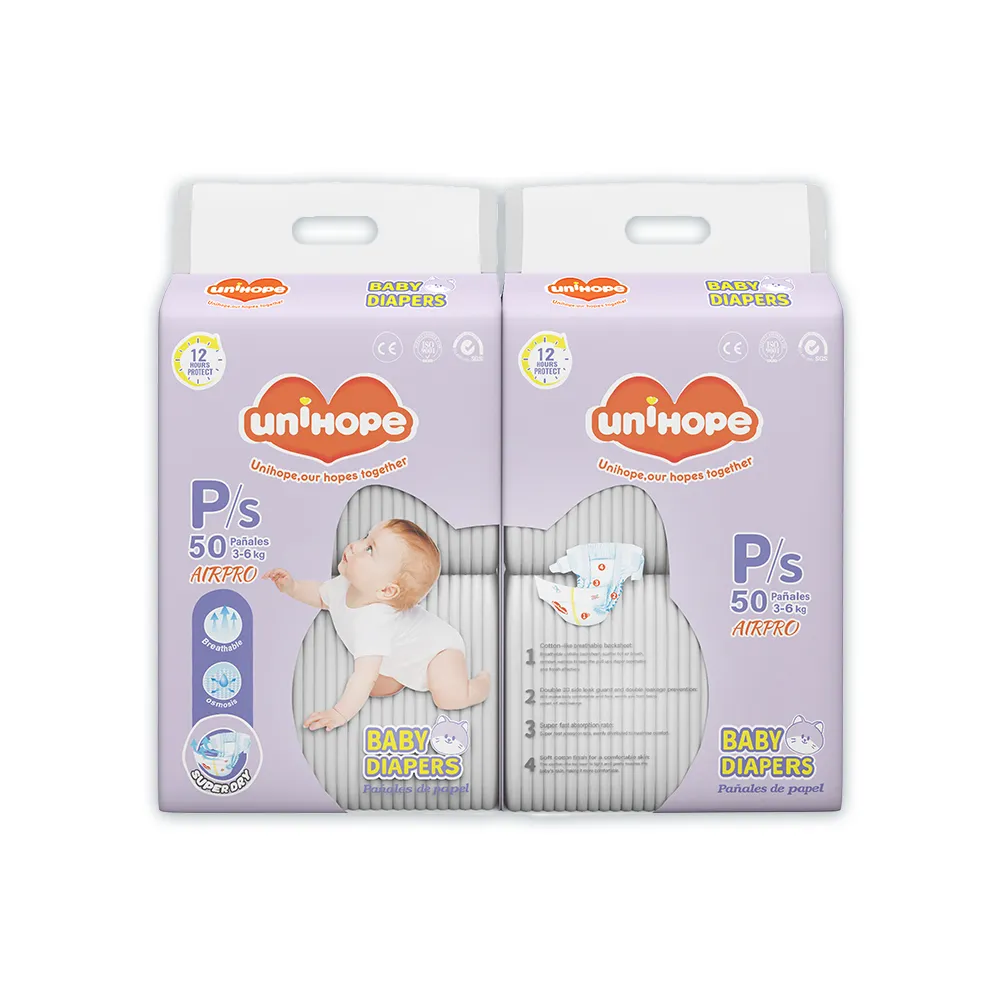
Babies grow quickly, so a proper baby diaper size guide should allow some adaptability. This flexibility reduces the frequency of size changes and helps parents feel confident that their purchase meets evolving needs. For wholesalers, offering a size range with consistent fitting guidelines is a valuable selling point. Many buyers also highlight the demand for Super Breathable and Soft Baby Diapers, as these features enhance comfort while ensuring proper fit across different sizes.
Common Signs of Poor Diaper Fit
Recognizing when a diaper does not fit correctly is crucial, both for parents and for businesses evaluating product quality.
Frequent leaks
The most obvious sign of poor fit is leakage. If parents repeatedly report diaper leaks despite proper usage, it indicates that the product’s design does not align with the needs of the baby. For B2B buyers, this is a red flag that may affect customer satisfaction and return rates.
Red marks or skin irritation
If the waistband or leg cuffs leave visible marks, the diaper may be too tight. This not only raises concerns about comfort but also increases the risk of complaints. Retailers who supply such products may face reputational damage if consumer trust declines.
Sagging or loose fit
When a diaper sags or feels too loose, it compromises both comfort and leak protection. Parents may perceive this as poor quality, even if the absorbent materials are effective. From a wholesale perspective, this underlines the importance of assessing design consistency during supplier negotiations.
Customer dissatisfaction signals
In B2B channels, feedback often comes indirectly—through distributors reporting higher return rates or retailers noting negative reviews. These signs highlight why businesses must ensure baby diaper comfort and proper fit before scaling their orders.
Tips for Preventing Leaks with the Right Fit
Businesses in the baby care sector can take proactive steps to prevent leaks and enhance user satisfaction. While parents focus on daily application, B2B buyers must emphasize design evaluation, supplier standards, and quality control.
Choosing the right size range
The foundation of leak prevention lies in selecting diapers that follow a clear baby diaper size guide. B2B buyers should prioritize suppliers that provide consistent sizing across different markets, ensuring smooth distribution without confusing customers.
Checking fastening systems
Secure fastening is essential for maintaining the right fit. Velcro or tape tabs should be durable enough to withstand repositioning without losing grip. Inconsistent fastening often leads to poor diaper performance, which is a significant consideration for wholesalers building trust with retailers.
Evaluating elasticity and stretch
Proper stretch around the waist and thighs ensures diapers adapt to different body shapes. This flexibility reduces leakage risks while increasing comfort. Businesses sourcing diapers should conduct fit testing to confirm these design qualities before committing to bulk purchases.
Training sales teams on fit education
In B2B transactions, it is not enough to simply supply products. Educating retail partners about baby diaper fit tips helps them guide end consumers more effectively. When retailers can confidently answer questions like “How should baby diapers fit to prevent leaks?” they strengthen brand credibility and foster customer trust.
Emphasizing comfort and performance in product promotion
Highlighting features related to fit—such as secure waistbands, flexible leg cuffs, and reliable absorption—reinforces a product’s value. In wholesale catalogs, positioning these attributes as solutions to preventing diaper leaks appeals to professional buyers looking for competitive differentiation. One example is the Hot Air Non Woven Surface Baby Diaper, which combines softness and breathability with reliable fitting to meet market expectations.
B2B Perspective: Ensuring Quality and Customer Satisfaction
For wholesalers, distributors, and retailers, proper baby diaper fit is not just a technical detail—it is a business advantage. Choosing the right products ensures that parents experience fewer leaks, greater comfort, and higher overall satisfaction. This, in turn, strengthens the relationship between businesses and their customer base.
Supplier evaluation
B2B buyers must carefully assess potential suppliers. Beyond basic quality checks, businesses should evaluate whether the supplier demonstrates consistent design standards that align with proper diaper fitting for babies. Suppliers that prioritize ergonomics and comfort are more likely to deliver reliable long-term solutions. Working with an experienced baby diaper manufacturer allows businesses to access products that are consistently designed for comfort and leak prevention.
Reducing customer complaints
When diapers fit well, consumer complaints decrease significantly. For retailers, this means fewer returns and a stronger reputation in the marketplace. For distributors, it ensures smoother operations and improved trust from downstream partners.
Positioning in the competitive market
The global baby care market is highly competitive, with countless options available to consumers. By emphasizing baby diaper manufacturer insights and showcasing fit-focused designs, businesses can differentiate themselves. A reputation for supplying well-fitted, leak-resistant diapers builds loyalty and sets companies apart from competitors.
Long-term customer retention
Ultimately, a focus on wholesale baby diaper solutions that prioritize fit and comfort helps businesses secure long-term contracts and partnerships. When parents feel confident that the diapers they buy consistently prevent leaks, they are more likely to remain loyal to the brand—benefiting the entire supply chain.
Conclusion
In the world of baby care products, fit is everything. A diaper that is too loose or too tight can lead to leaks, discomfort, and consumer dissatisfaction. For B2B buyers, understanding how should baby diapers fit to prevent leaks is critical to building trust, reducing returns, and ensuring customer loyalty. By focusing on proper waistbands, secure leg cuffs, consistent sizing, and supplier reliability, businesses can deliver both comfort for babies and peace of mind for parents.
For wholesalers, distributors, and retailers, investing in products that emphasize proper baby diaper fit is not just about solving leaks—it is about shaping a stronger, more reliable brand presence in the marketplace.