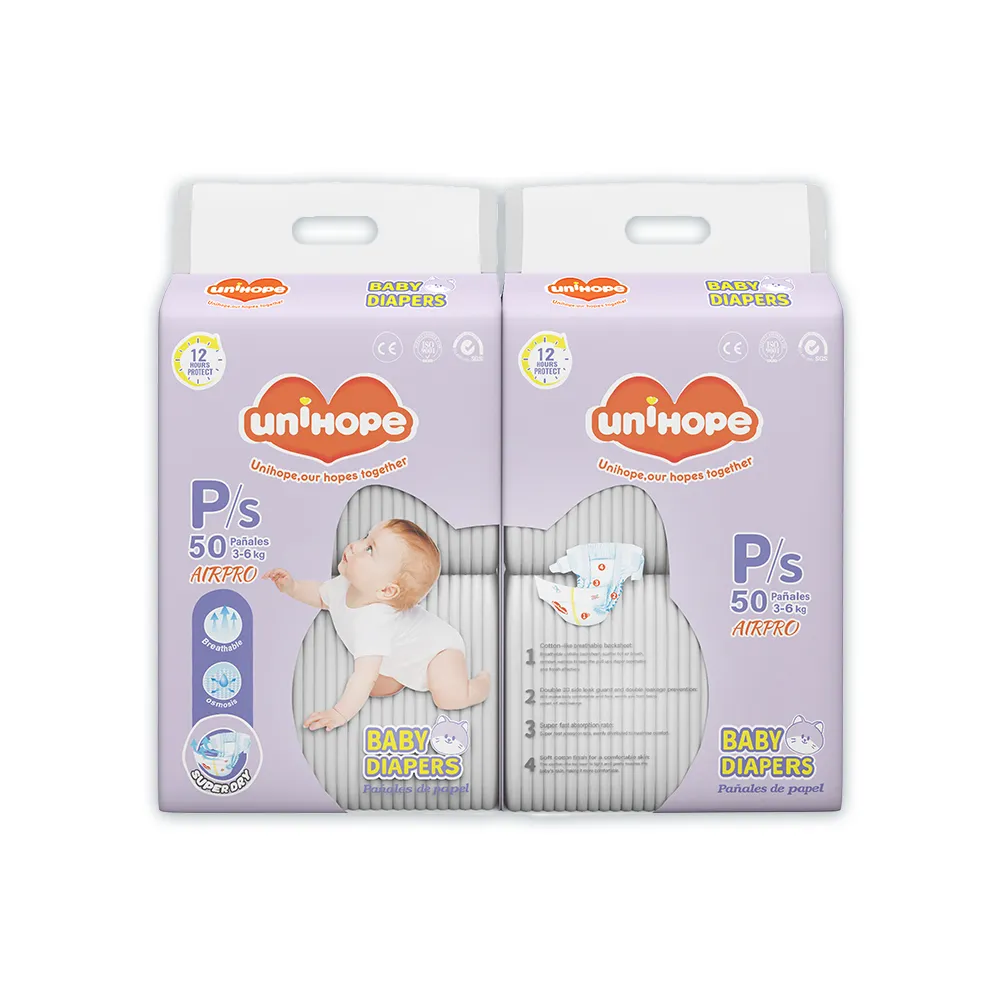
Introduction: Understanding Baby Diaper Sizes
When it comes to the global baby care industry, one of the most essential products that continues to drive demand is baby diapers. While the product itself may appear simple, its sizing plays a major role in ensuring comfort, fit, and usability. For parents and caregivers, understanding diaper sizes is not just a matter of technical knowledge—it is a business strategy that influences purchasing decisions, stock planning, and long-term customer satisfaction.
In the consumer market, parents often make decisions based on brand loyalty or recommendations, but in the diaper trade, buyers need to evaluate sizing with a broader perspective. This includes considering regional preferences, market standards, and how sizing impacts the perception of quality. As businesses expand globally, the question “What are baby diaper sizes?” becomes central for those involved in sourcing and supplying.
This article will explore diaper sizes in detail, focusing on their significance for B2B trade, how they shape product positioning, and what buyers should consider before placing large orders.
The Role of Baby Diaper Sizes in Wholesale and Distribution
In everyday family life, choosing the correct diaper size can influence a baby’s comfort, skin health, and how parents manage daily routines. Parents choosing diapers must ensure the sizes match their baby’s growth stage and comfort level. For example, some regions may have higher demand for smaller sizes due to consumer demographics, while other regions may show stronger demand for larger sizes.
Unlike retail buyers who focus on immediate household needs, wholesalers and distributors must think several steps ahead. Misjudging diaper sizes in bulk orders can lead to overstock, understock, or mismatched product offerings. This creates inefficiencies in storage, delays in sales, and potential financial losses.
Moreover, bulk baby diapers are often shipped internationally, making it critical for buyers to understand local sizing preferences. In some markets, consumers expect a wide range of sizes, while in others, only a few sizes are commonly stocked. In some cases, buyers may also request specialized options such as Double Core Baby Diaper, which provides enhanced absorption and comfort for different markets. B2B buyers who align their diaper sizing strategy with local market expectations can gain a strong competitive advantage.
Additionally, diaper sizing plays a key role in logistics and inventory management. Larger diapers may require more storage space and packaging considerations, while smaller sizes can affect the distribution ratio within a shipment. As a result, businesses involved in importing, exporting, and distributing diapers must carefully assess diaper size availability from their chosen supplier.
How Baby Diaper Sizes Affect Product Positioning in Trade
For families, baby diaper sizes are not only about daily convenience—they are also about choosing the right fit that helps babies move freely and stay dry. A distributor offering a wide variety of sizes can position themselves as a complete solution provider, appealing to retailers who want flexibility in their offerings. On the other hand, a wholesaler focusing on select diaper sizes may be catering to niche market demands.
For parents, choosing the correct size is often about trial and adjustment. Babies grow quickly, and finding the right diaper size ensures comfort during every stage. Buyers working with a baby diaper manufacturer often request customized sizing that aligns with the preferences of their regional market. This ability to tailor diaper sizes for private label production can strengthen brand identity and consumer loyalty.
For exporters, the diversity of diaper sizes can also help expand into new markets. Offering a versatile diaper size range demonstrates adaptability and increases a buyer’s chances of successfully penetrating international markets. By positioning themselves as providers of multiple diaper sizes, diaper businesses can improve product visibility, attract a wider audience, and support long-term scalability.
Additionally, baby diaper sizes contribute to brand perception in the B2B space. While buyers avoid discussing brand names in procurement, the sizing system used by a manufacturer can influence how professional and reliable the supplier appears. Consistent, clearly defined diaper sizes improve communication between suppliers and buyers, strengthening long-term partnerships.
Key Considerations for Buyers When Choosing Baby Diaper Sizes
For buyers, selecting the right diaper sizes is a decision that combines business strategy with consumer insight. Here are some of the most important considerations:
Understanding Consumer Demographics
Parents need to observe their baby’s growth patterns, weight, and comfort level to decide which diaper size to use. If a region has a younger population or higher birth rates, demand for smaller diaper sizes may be more consistent. In contrast, in markets where consumers tend to purchase larger packs for growing toddlers, bigger diaper sizes may dominate sales.
Avoiding Overstock and Understock
Buying the wrong diaper size can lead to waste and discomfort. Choosing the right size saves money and makes daily care easier. Too many small sizes could result in unsold stock, while too few larger sizes could cause missed sales opportunities. Strategic planning ensures that wholesale buyers balance supply with demand.
Aligning with Local Market Preferences
Each market has unique preferences. Some retailers may only stock the most popular sizes, while others may require a full range. For example, when working with baby diaper distributors, it is crucial to consider how diaper sizes align with cultural habits, consumer purchasing power, and regional product standards.
Building Relationships with Manufacturers
Working directly with a trusted baby diaper manufacturer allows buyers to secure consistent supply, reliable sizing, and flexible production capacity. Collaborating closely with a baby diaper manufacturer allows buyers to negotiate customized sizes or private label options. These relationships ensure flexibility in production and help distributors meet consumer demands without compromising on quality.
Long-Term Growth Strategy
Sizing decisions should align with a company’s growth goals. buyers who plan to expand into multiple regions should choose suppliers capable of producing a variety of diaper sizes. This ensures scalability and prevents limitations in future expansion.
By considering these factors, buyers can avoid costly mistakes and improve their ability to serve retailers effectively. In short, choosing the right baby diaper size for wholesale is not only about immediate sales but also about long-term business stability.
Conclusion: Matching Baby Diaper Sizes with Needs
Baby diapers remain a cornerstone product in the global childcare industry, and sizing plays an essential role in shaping the market. For parents, choosing the correct diaper size is about more than just fit—it ensures the baby’s comfort, reduces skin irritation, and helps with daily convenience.
From wholesale purchasing to OEM partnerships, diaper sizes determine how effectively businesses can respond to market demands. Buyers who align diaper sizes with local consumer preferences, logistics capabilities, and strategic goals will build stronger market presence and long-term success.
Ultimately, understanding baby diaper sizes is about more than technical specifications. It is about making informed decisions that align with the broader needs of retailers, distributors, and end consumers. By carefully evaluating sizing requirements and working with reliable suppliers, buyers can secure a competitive advantage in the fast-growing global diaper trade.