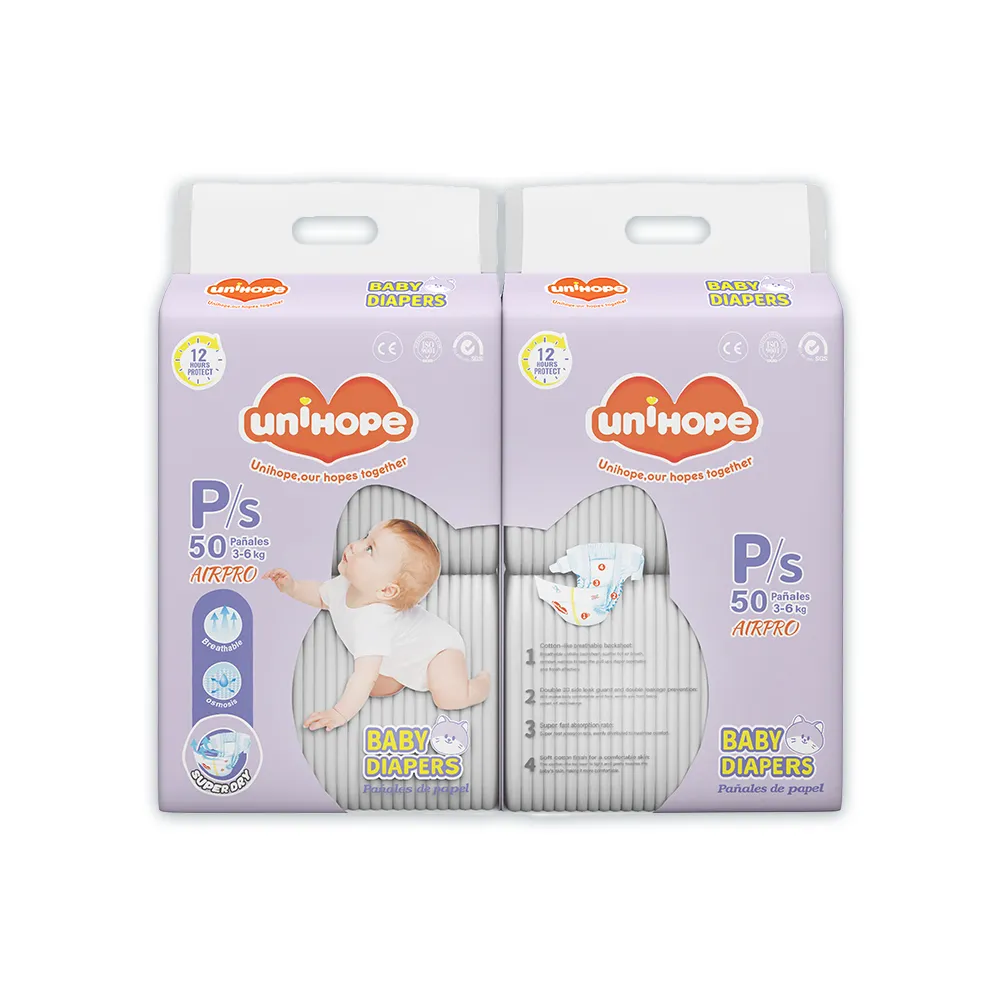
Every Baby Diaper journey is special for each parent. Your child will grow and learn at their own speed. Some babies need diaper changes more often. Others get used to changes fast. You may see signs your child is ready. You might also have some problems during this time. This guide gives helpful tips for every stage. It covers both traditional and early potty training, like elimination communication.
I. Baby Diaper Timeline
The journey from the first baby diaper to the last is full of changes and growth. You will see your child move through several stages, each with its own needs and milestones. Most children use between 5,000 and 8,000 diapers before they finish potty training. Understanding these stages helps you plan and feel confident as your child grows. For more information, see our article How old should babies wear baby diapers?
Key Stages
Here is a simple overview of the main stages in the baby diaper journey:
| Stage | Typical Age Range | Key Features |
|---|---|---|
| Newborn | 0–3 months | Frequent changes, sensitive skin |
| Infant | 3–12 months | Rapid growth, changing output |
| Toddler | 1–3 years | Fewer changes, more mobility |
| Potty Training | 18–36 months (avg) | Learning to use the toilet |
Tip: Every child moves through these stages at their own pace. Some may start potty training early, while others take more time.
Milestones
You will notice important milestones as your child grows. These moments show progress and help you know what to expect next.
- First Diaper Change: This happens soon after birth. You learn how to clean and care for your baby.
- Longer Sleep Stretches: As your baby grows, you may notice fewer nighttime changes.
- Sizing Up: You will move to larger baby diapers as your child gains weight and height.
- Fewer Diaper Changes: Toddlers often need fewer changes each day. Their bladder control improves.
- Potty Training Readiness: Look for signs like staying dry for longer periods, showing interest in the toilet, or telling you when they need a change.
- First Potty Success: Celebrate when your child uses the toilet for the first time.
Remember, parents often feel pressure to reach milestones quickly. Trust your instincts and your child’s pace.
The baby diaper journey is unique for every family. By knowing the key stages and milestones, you can support your child and feel prepared for each step.
II. Newborn Baby Diaper Stage
Diaper Changes
Frequency
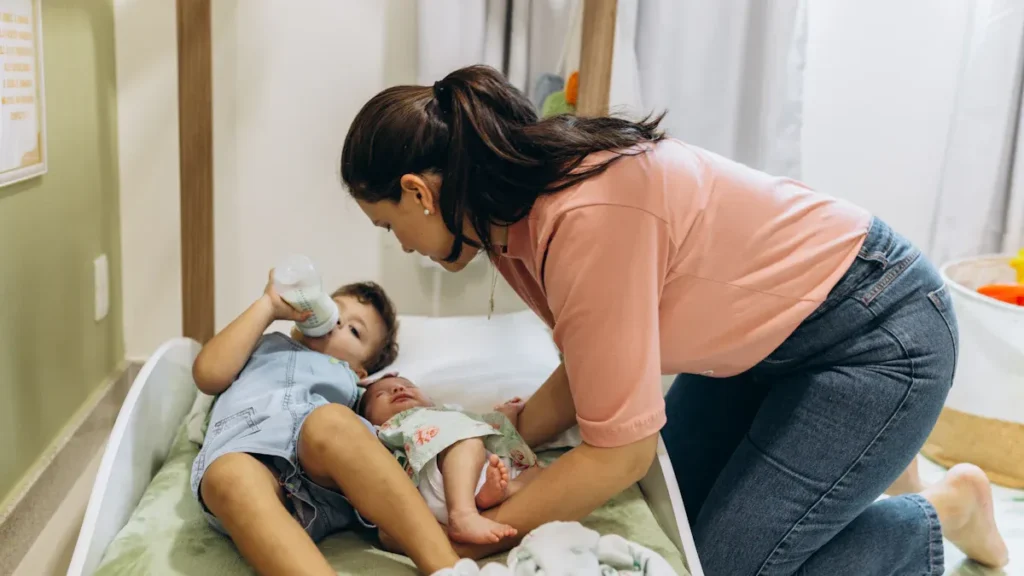
You will change baby diapers a lot with a newborn. Most newborns need a new baby diaper every two or three hours. This means you might change diapers 10 to 12 times each day. Newborns have small bladders and their skin is sensitive. Changing diapers often keeps your child comfortable and healthy.
Wet Diaper Signs
You can check for a wet diaper by feeling if it is heavy or damp. Some diapers have a line that changes color when wet. If your child seems upset or uncomfortable, check the diaper. Leaving a wet diaper on too long can cause irritation. Changing quickly helps stop skin problems.
Diaper Types
Disposable
Disposable baby diapers are easy for many parents to use. They soak up moisture fast and keep your child dry. These diapers are simple to use at night or when traveling. You can throw them away after each use, which saves time. Some disposable diapers have wetness indicators or extra soft material for newborn skin.
Cloth
Cloth baby diapers can be used again and again. Some parents pick cloth to help the environment or avoid some chemicals. Cloth diapers come in different types, like prefolds or all-in-ones. You need to wash them after each use. Some families use both cloth and disposable diapers, depending on what works best. For more information, see our article How to Choose Healthy Baby Diapers?
Newborn Tips
Diaper Rash
Diaper rash happens a lot with newborns. You can help stop it by changing baby diapers often and letting your child’s skin air out for a few minutes. Use gentle, fragrance-free wipes or a soft cloth. If you see redness, put on diaper cream to protect the skin. Keep the area clean and dry for the best results.
Nighttime Care
Nighttime care can be hard for new parents. Try using a more absorbent diaper at night to help your child sleep longer. Check the baby diaper before bed and after each feeding. If your child wakes up wet, change the baby diaper to keep them comfortable. A calm and gentle routine helps your child go back to sleep after changes. In additional, natural baby pants help keep skin healthy and comfy.
Tip: Keep all your supplies close before you start a diaper change. This makes things easier and safer for your child.
The newborn baby diaper stage is important for later success. By learning what your child needs and acting fast, you help them stay healthy and happy during this special time.
III. Infant Diaper Needs
Growth Changes
Sizing Up
Infants grow quickly during their first year. You will notice your child outgrows diapers faster than expected. Check the fit often. If the baby diaper leaves marks or seems tight, it is time to move to the next size. A proper fit helps prevent leaks and keeps your child comfortable. Most parents find that sizing up brings better results and fewer problems. Always look at the weight range on the diaper package to match your child’s age and growth.
Output Changes
As your child grows, the number and type of baby diapers will shift. Infants may have fewer bowel movements than newborns, but urine output often increases. You might see changes in color, texture, and smell as your child starts eating solids. These changes are normal. Track your child’s output to spot any signs of dehydration or digestive issues. If you notice anything unusual, talk to your pediatrician.
Common Issues
Blowouts
Blowouts happen when diapers cannot contain everything. This issue is common during growth spurts or when your child moves more. To reduce blowouts, make sure the baby diaper fits well around the legs and waist. Change baby diapers often and avoid waiting too long between changes. If blowouts continue, try a larger size or a different style. Quick action helps keep your child clean and happy.
Rash Care
Diaper rash can appear at any age, especially when your child starts eating new foods. To prevent rash, change diapers as soon as they are wet or soiled. Use gentle wipes and let your child’s skin air out when possible. Apply a thin layer of baby diaper cream if you see redness. If the rash does not improve, contact your doctor. Parents who stay alert and act fast often see success in keeping their child’s skin healthy.
On-the-Go Tips
Traveling with an infant means planning ahead. Pack enough baby diapers for the trip, plus a few extras. Bring wipes, a changing pad, and a small bag for dirty diapers. Choose easy-access clothing for quick changes. Keep a routine to help your child feel secure. Many parents find that a well-stocked diaper bag makes outings smoother. Stay flexible and adjust your plan as your child’s needs change.
Tip: Always check your supplies before leaving home. Preparation helps you handle any situation with confidence.
Infant diaper needs change as your child grows. By watching for signs and staying prepared, you support your child’s comfort and health through every stage.

IV. Toddler Diaper Stage
Fewer Changes
During the toddler years, baby diaper changes become less frequent. Your child starts to control the bladder and bowels better. Most toddlers need a diaper change every three to four hours. You may notice longer dry periods, especially during naps. This stage shows progress in control and signals that your child is growing.
Bladder Control
Bladder control improves as your child gets older. You might see your toddler stay dry for longer stretches. Some children wake up dry after naps or even overnight. This development means your child is learning to control the bladder and bowels. Parents often feel proud when they see these signs. Success in this area prepares your child for the next steps in potty training.
Potty Training Readiness
Signs
Look for signs that your child is ready for potty training. Common signs include staying dry for two hours or more, showing interest in the toilet, and telling you when the diaper is wet or dirty. Some children hide to go to their diaper or ask for privacy. These behaviors show your child is starting to control the bladder and bowels.
Emotional Cues
Emotional readiness matters as much as physical signs. Your child may want to do things independently. Some toddlers show excitement about wearing training pants or using the toilet. Others may feel nervous or resist changes. Support your child by encouraging small steps and celebrating each success. Patience helps your child feel safe and confident during the toddler years.
Tip: Watch for both physical and emotional cues. Every child moves at their own pace.
Training Pants
When to Switch
Training pants help your child transition from diapers to underwear. Switch to training pants when your child shows interest in potty training or stays dry for longer periods. Training pants allow your child to feel wetness, which helps with learning control. Parents often use training pants during the day and diapers at night until the child gains full control.
Day vs. Night
Children develop control at different rates during the day and night. Many toddlers control the bladder and bowels during the day before mastering nighttime dryness. Use training pants during the day and diapers or overnight pants at night. This approach supports your child’s comfort and helps prevent accidents.
Note: Celebrate small wins. Each step brings your child closer to independence.

V. Potty Training
When to Start Potty Training
Potty training is a big step for kids. Most children are ready between 18 and 36 months. In the United States, most kids start at about 33 months. Every child is different, so some start sooner or later. Look for signs before you begin potty training. These signs are staying dry for two hours, liking the potty, and following simple rules. Some children tell you when they need a diaper change or want training pants.
Readiness is not just about age. Kids need to grow in body, mind, and feelings. They must control their bladder and bowels. They should know simple words and feel okay sitting on the potty. Some kids copy adults or older siblings. Others do not like change. Watch for clues and do not start during stressful times, like moving or a new baby.
Tip: Begin potty training when your child is ready in body and feelings. This helps things go better and makes it less stressful.
VI. Individual and Cultural Differences
Family Practices
Each family has its own way to handle diapers and potty training. Some families use routines from grandparents. Others try new ways that fit their busy lives. Family size and work hours can change diaper habits. Support from others also makes a difference. In some homes, older siblings help with diaper changes. They may also cheer on younger kids to use the potty. Extended family might give advice or share tips that helped them.
Some families pick cloth diapers to help the environment. Others use disposables because they are easier. Some parents start potty training early. Others wait until their child is clearly ready. These choices often show family values and beliefs. Daily routines also play a part in what families choose.
Tip: Ask family members about their own experiences. Sharing stories can help you find ideas for your home.
Unique Timelines
Kids grow and learn at their own speed. Culture and family rules can affect when potty training starts and ends. In some places, parents start potty training very early. They may use elimination communication or begin before the first birthday. In other places, families wait until the child is older and wants to use the toilet.
The table below shows how culture can shape diaper and potty training:
| Culture/Region | Typical Potty Training Start | Common Practices |
|---|---|---|
| East Asia | Before 1 year | Elimination communication |
| Western Countries | 2–3 years | Child-led or parent-led methods |
| Rural Communities | Early start | Family involvement, shared care |
There is no single timeline for every child. Some kids are ready early. Others need more time. Family traditions, help from the community, and even weather can matter. For example, in warm places, kids may wear less clothing. This can make potty training easier.
Note: Trust your own feelings and watch your child’s signs. Celebrate every step, no matter when it happens.
Learning about individual and cultural differences helps you respect your child’s journey. Stay open to new ideas. Remember, every family finds its own way to succeed.
VII. Conclusion
Listen to your gut and let your child go at their own speed. Every part of the diaper journey has new things to learn and problems to solve. Kids learn in different ways. Cheer for every bit of progress, even if it is small. If things get tough, you can always find help. Keep calm and stay hopeful. Every step helps your child become more independent.