Navigating the world of feminine care products can be surprisingly complex, especially from a wholesale perspective. It’s an industry that’s not just essential, but also deeply personal, and consumer demands are changing at a rapid pace. Gone are the days of a one-size-fits-all shelf. Today’s consumers demand choice, comfort, sustainability, and transparency. For a retailer, distributor, or private-label brand, making the right feminine care products wholesale choices is the difference between a stocked shelf and a loyal customer base.
The global feminine hygiene market is a testament to this, valued at well over USD 43 billion in 2024 and projected to grow steadily. This growth isn’t just from new users; it’s from innovation and segmentation. The market is fragmenting into specialized niches, and a successful wholesale strategy means understanding those niches.
This guide will focus on the “big three” disposable feminine care product categories: sanitary napkins (pads), panty liners, and the increasingly popular menstrual pants. We’ll explore what makes each unique and, most importantly, what to look for when you’re buying in bulk.
The Core Staple: Understanding Sanitary Napkins/Pads
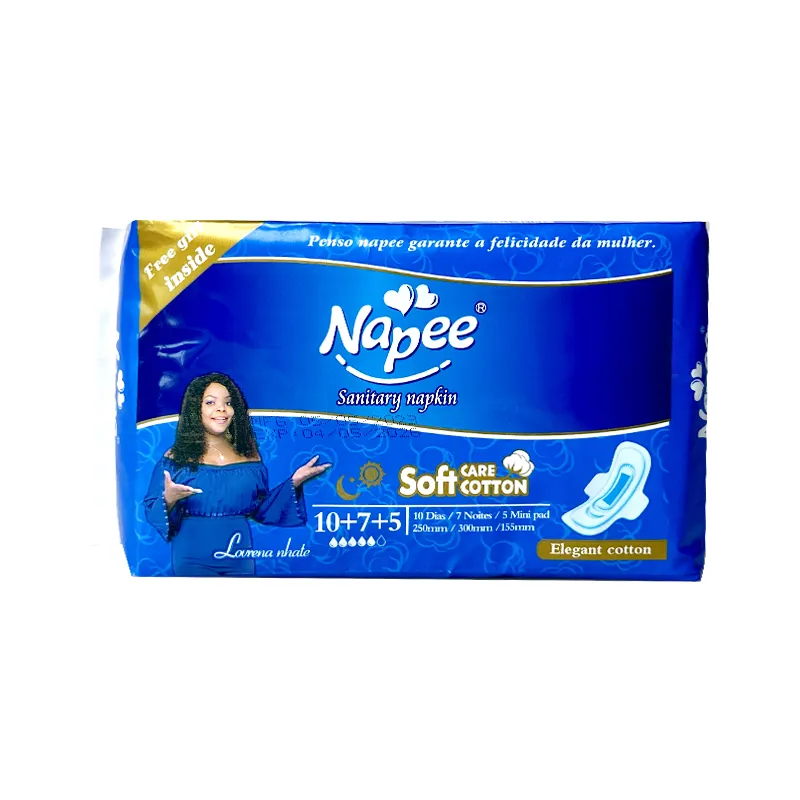
Sanitary napkins/pads, are the most widely used menstrual product globally. They are the cornerstone of any feminine care product lineup. But “pad” is a broad term. From a wholesale standpoint, this category has the most variation, and stocking the right mix is critical.
Variations to Consider
A buyer isn’t just purchasing “pads”; they are purchasing a portfolio of solutions.
Absorbency: This is the most obvious differentiator. It typically ranges from light to moderate, heavy, and overnight. A manufacturer’s “heavy” might be another’s “moderate,” so requesting samples and absorbency data (often measured in milliliters) is non-negotiable.
Size and Shape: Length is key. Overnight pads are significantly longer (sometimes 300mm or more) to provide protection while lying down. Regular pads are for daytime, and smaller, thinner pads cater to lighter days. Wings are another crucial shape variation, as many users refuse to buy pads without them for the added security.
Materials: This is where consumer trends are most powerful.
Conventional: Most pads use a non-woven topsheet (like polypropylene), a “fluff pulp” and Superabsorbent Polymer (SAP) core, and a polyethylene backsheet.
Organic/Natural: A rapidly growing segment. These pads feature topsheets made of 100% organic cotton. Some even use biodegradable backsheets and chlorine-free pulp. Consumers in this bracket are willing to pay a premium.
Scented vs. Unscented: While once popular, scented pads are falling out of favor. Modern wellness trends emphasize pH balance, and many consumers (especially those with sensitive skin) actively avoid fragrances and dyes. Offering a strong unscented line is arguably more important than a scented one today.
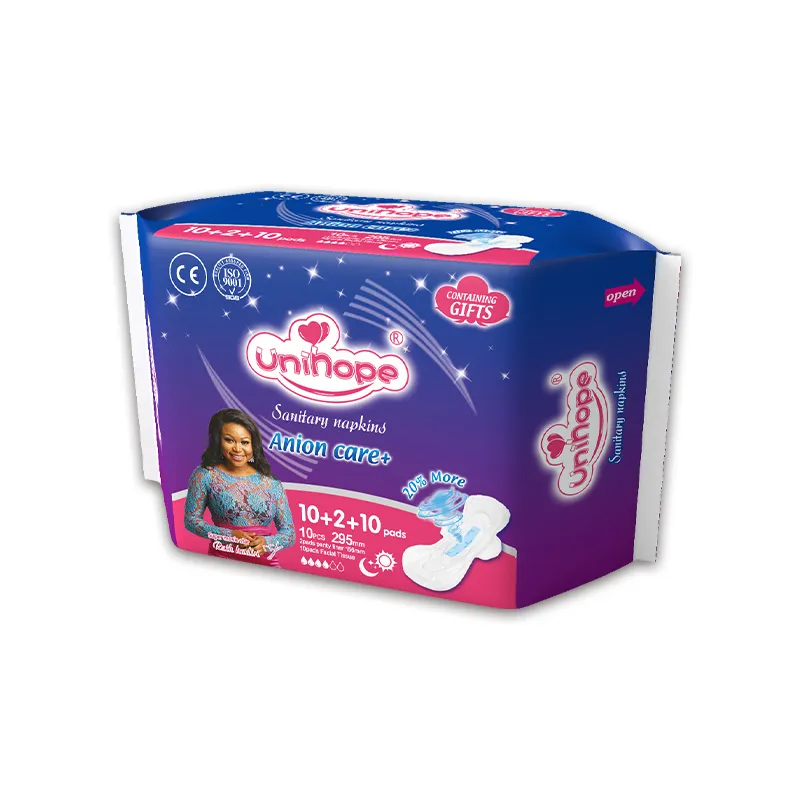
Wholesale Considerations for Sanitary Napkins
When vetting a supplier for sanitary napkins, the technical specifications are everything. Ask for the “spec sheet.” What is the SAP content? Superabsorbent Polymer is the magic ingredient, the “engine” of the pad that locks away fluid. A higher-quality SAP (often from Japan or Germany) can absorb more with less bulk, leading to a thinner, more effective pad.
Pay close attention to the topsheet. Is it “cottony-soft” (non-woven) or “dry-mesh” (perforated film)? Different markets have different preferences. The dry-mesh topsheet is designed to pull liquid away faster, but some users find it less comfortable than the soft, non-woven options.
Finally, look at the adhesive. A common complaint is adhesive that is either too weak (leading to shifting) or too strong (leaving residue on underwear). The quality of the wing and backing adhesive is a small detail that builds or breaks brand loyalty.
The Daily Essential: Understanding Panty Liners
Panty liners are a distinct and separate category from menstrual pads. Their primary function isn’t managing a heavy menstrual flow. Instead, they are designed for daily use, light discharge, “spotting” at the very beginning or end of a period, or as a backup for internal products like tampons or menstrual cups.
The market for panty liners is driven by a feeling of freshness and preparedness. They are a daily wellness item, not just a period product.
Variations to Consider
Thickness: Most liners are “ultra-thin,” designed to be virtually undetectable. However, some “heavy” liners exist that blur the line between a liner and a light-day pad.
Shape: Because they are used daily, liners often come in a wider variety of shapes to fit different underwear styles, such as thong-shaped liners.
Breathability: This is paramount. Since they can be worn daily, a liner must be breathable to prevent irritation. Suppliers who emphasize “air-laid” or “breathable backsheet” technology are responding to this need.
Scent: Like pads, the trend is moving sharply toward unscented. A “clean” product portfolio should prioritize hypoallergenic and unscented options.
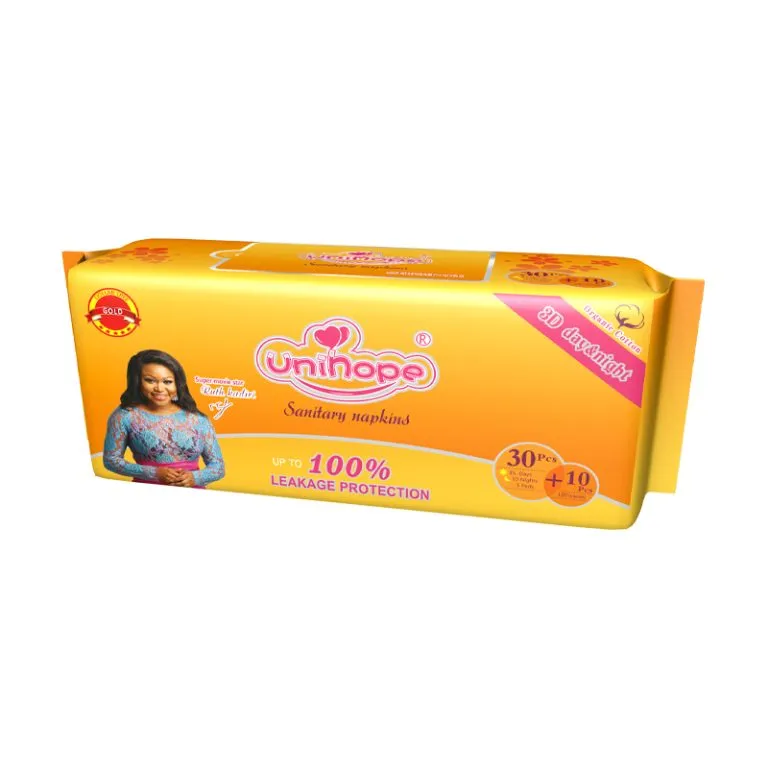
Wholesale Considerations for Panty Liners
The wholesale focus for panty liners is less about raw absorbency and more about comfort, discretion, and packaging. How is the product packaged? Are they individually wrapped, or unwrapped in a “press-to-seal” box? Individually wrapped liners are crucial for on-the-go use, making them a must-have for any retail offering.
Material choice is still important. A liner that feels “plasticky” will fail in the market. The topsheet must be exceptionally soft. Because the profit margin per unit is lower than on a pad, order volume is key. Suppliers will often have a higher Minimum Order Quantity (MOQ) for liners, but the per-unit cost will be significantly lower.
This is also a product with high consumption. A user might buy one box of pads a month, but they may use liners daily. This means wholesale purchasing should focus on building a stable, high-volume supply chain for this product.
The Modern Innovator: Understanding Menstrual Pants
Menstrual pants—sometimes called disposable period pants or period underwear—are one of the most significant innovations in the disposable feminine care product space in years. They are, quite simply, an underwear-style chassis with a built-in, highly absorbent pad.
Their primary appeal is 360-degree protection. They are marketed as a solution for extremely heavy overnight flows, post-partum bleeding, or for anyone who wants absolute maximum security against leaks.
Variations to Consider
Sizing: This is the biggest challenge and variation. Unlike pads, pants are a garment. They must be offered in sizes (e.g., S/M, L, XL). A consumer buying the wrong size will have a terrible experience, leading to leaks or discomfort.
Absorbency: These are almost exclusively designed for heavy to ultra-heavy flow. The absorbent core often runs from the front waistband all the way up the back waistband.
Style: Most disposable options look like a standard brief, but the “feel” of the non-woven material can vary. Some are soft and cloth-like, while others can feel more papery.
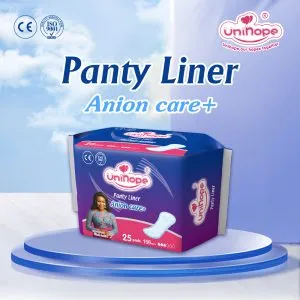
Wholesale Considerations for Menstrual Pants
From a wholesale perspective, menstrual pants are a different beast. The primary challenge is inventory management. You must stock multiple SKUs for the same product to account for different sizes. This complicates logistics and warehousing.
When sourcing, the “fit” and “stretch” of the waistband and leg openings are the most important quality indicators. Ask the supplier about the elastics used. A poor-quality elastic will either dig in uncomfortably or be too loose, defeating the purpose of the 360-degree protection.
The global period underwear market (which includes reusable and disposable) is seeing explosive growth, with some estimates projecting a CAGR of over 17%. This is not a fad. It’s a product answering a real, unmet need for total security. While the per-unit cost is the highest of the three products, the perceived value and user loyalty are also extremely high. This is a premium product, and it should be sourced from suppliers who can prove their quality in garment-style manufacturing, not just standard pad production.
How to Make the Right Wholesale Choice: A Buyer’s Checklist
Choosing a supplier for any feminine care product goes beyond a simple price comparison. It’s a partnership that impacts your customers’ health and your brand’s reputation.
Define Your Target Market First
Who are you selling to?
Budget-Conscious Retail: Your focus will be on conventional pads and liners. Price is a key driver, so you’ll be looking for suppliers who can produce reliable, safe products at a high volume and low cost.
Health & Wellness Boutiques: This market demands premium. Your portfolio must include 100% organic cotton pads, unscented everything, and likely a strong period pant offering. You will be sourcing from a different, often more specialized, supplier.
Subscription Boxes: You need variety. Your feminine care products supplier should be able to provide a mix of all three products, perhaps in custom counts or unique packaging.
Medical or Institutional: For post-partum wards or clinics, the focus is on performance and sterility. You’ll be buying heavy-duty overnight pads and menstrual pants in bulk, non-retail packaging.
Where are you selling to?
The target market isn’t just a demographic; it’s a geographic “where.” Consumer behavior in the feminine care product space can vary wildly from one country to another. A product that’s a best-seller in North America might struggle in an Asian market, and vice-versa.
Scent and Additives: This is a classic example. Scented pads and liners have a strong, established market in some regions. However, in other markets (like much of Western Europe), there’s a powerful consumer-led movement away from all fragrances and dyes. These consumers actively seek out hypoallergenic, unscented, and “clean” ingredient lists.
The “Eco” Driver: The demand for organic cotton, biodegradable materials, and plastic-free packaging is a dominant force, but it’s not evenly distributed. This trend is currently at its peak in markets like Germany, Scandinavia, Australia, and parts of North America. In other developing markets, price and pure absorbency performance might still be the top (and only) considerations.
Sizing and Fit: This is especially relevant for menstrual pants. Average body types and heights differ globally. A sizing range (e.g., S/M/L) that works for a U.S. market might need to be adjusted (perhaps offering more petite sizes) for a market in Japan or South Korea. This requires close consultation with the manufacturer on “fit” specifications.
Regulatory Hurdles: This isn’t just preference; it’s law. The regulatory landscape (FDA in the U.S., CE marking in Europe, TGA in Australia, etc.) dictates what can even be sold. A supplier must have the correct, up-to-date certifications for your specific target country.
Technical Specifications and Certifications
Never, ever place a bulk order without vetting certifications. This is a product that comes in contact with one of the most sensitive parts of the body.
ISO 9001: This is a bare minimum. It certifies that the manufacturer has a quality management system in place.
ISO13485: This is the crucial one. It’s the standard for biocompatibility and ensures the materials have been tested for skin irritation and sensitization.
FDA / CE Marking: If you are importing into the United States or Europe, your supplier must have the correct regulatory approvals. In the U.S., pads are regulated as Class II medical devices.
Organic Certifications: If you’re buying organic, demand to see the certification (e.g., GOTS for cotton).
Quick Comparison
| Product Category | Primary Use Case | Key Wholesale Challenge | Target Consumer |
| Sanitary Napkins | Menstrual flow (light to heavy) | Balancing cost, materials, and absorbency. | Broadest market; all menstruating individuals. |
| Panty Liners | Daily discharge, spotting, backup | High volume, low margin; comfort & breathability matter. | Daily wellness users, tampon/cup users. |
| Menstrual Pants | Heavy overnight flow, post-partum | Sizing complexity, inventory control, higher unit cost. | Heavy-flow users, new mothers, high-security users. |
Vetting the Feminine Care Products Supplier
Once you have a shortlist, go deeper.
Request Samples: Get samples of everything you plan to order. Test the absorbency yourself. Wear the liner for a day. See how the pant fits.
Discuss MOQs: What is the Minimum Order Quantity? Can you mix and match SKUs (e.g., different pad sizes) within one MOQ?
Ask About Lead Times: How long from order placement to shipping? A reliable supply chain is critical in this industry.
Packaging & Private Label: Does the supplier offer private labeling? What are the packaging options? Good packaging protects the product and sells it on the shelf.
Tips:For small businesses and start-ups, choosing a feminine care products manufacturer that offers a lower MOQ can be especially beneficial, as it reduces entry barriers and financial pressure.
Conclusion
Looking ahead, the entire feminine care product industry is moving in two directions: sustainability and specialization. Consumers, particularly younger ones, are acutely aware of the environmental impact of disposable products. This is driving demand for biodegradable pads, organic cotton, and reusable options.
At the same time, the “one-pad-fits-all” model is dead. Consumers want products for heavy days, light days, daily use, overnight, post-partum, and sensitive skin.
For a wholesale buyer, this means your portfolio must be diverse. You can’t just rely on the old best-sellers. You need to stock the reliable conventional pads, but also layer in the high-growth categories like organic cotton pads and high-security menstrual pants.
Choosing the right feminine care product for your wholesale business is a balancing act. It requires understanding market data, having empathy for the end-user’s experience, and doing the technical due diligence on your suppliers. The reward for getting it right isn’t just a successful business—it’s providing people with the comfort, safety, and dignity they deserve.