Introduction: The Bulk Buying Dilemma
It feels like every time you open a catalog or browse an industrial supplier site, the options for hygiene products have doubled. It’s overwhelming, isn’t it? When you are looking to stock up on Wholesale Sanitary Napkins, whether for a retail chain, a hospital, or a private label launch, the stakes are oddly high. You aren’t just buying a product; you are buying trust.
There is a tendency in this industry to get dazzled by rock-bottom prices. We’ve all seen it happen—a buyer spots a deal that looks too good to be true, orders a container, and ends up with thousands of pads that feel like sandpaper. That is a nightmare scenario. Navigating this market requires a bit of skepticism and a sharp eye for detail. It’s not just about filling a warehouse; it’s about making sure the end-user doesn’t switch brands the second they try your product.
1. Don’t Just Read the Spec Sheet—Do the “Pour Test”
Paperwork can lie, or at least, it can stretch the truth. A spec sheet might claim a “high absorption capacity,” but what does that actually look like in real life?
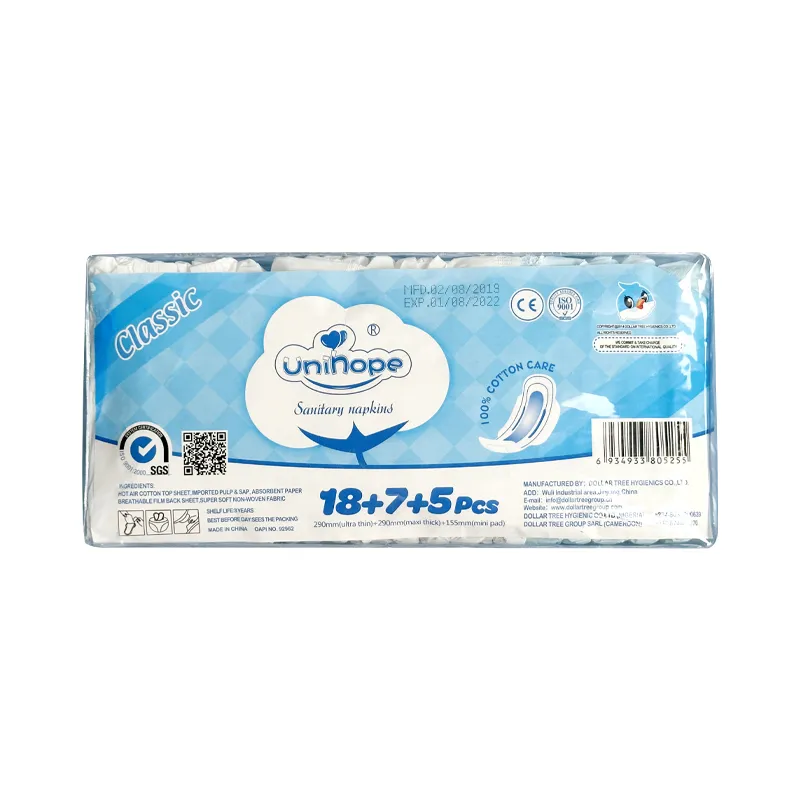
One observes time and time again that the difference between a mediocre pad and a great one is how it handles a sudden rush of fluid. When evaluating Wholesale Sanitary Napkins, you really have to get physical with the samples.
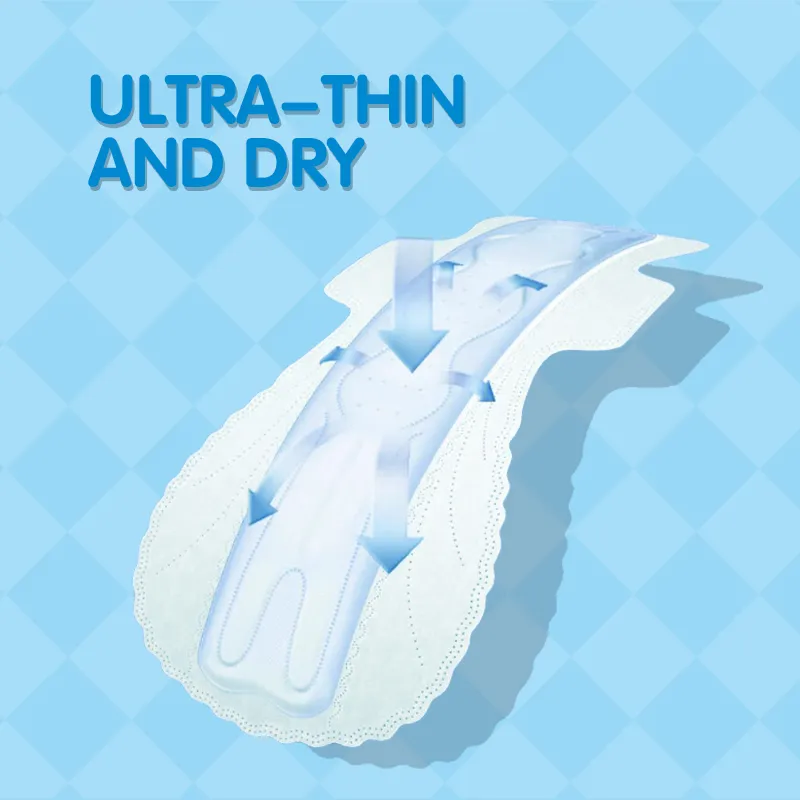
- Speed of Absorption: Does the liquid sit on top for five seconds, or does it vanish instantly?
- The “Rewet” Factor: After the liquid is absorbed, if you press a tissue onto the surface, does it come back wet? (It shouldn’t).
If a supplier is hesitant to send you samples for rigorous testing, that is usually a bad sign. You want a product where the Super Absorbent Polymer (SAP) locks moisture away, not just hides it.
2. Prioritize “Skin Feel” Over Fancy Features
Sometimes, manufacturers get distracted by gimmicks—scented chips, colorful prints, weird shapes. But at the end of the day, comfort is king. Or queen, rather.
If you run your hand over the top sheet of a sample and it feels plastic-y or crinkles loudly, walk away. The market trend has shifted aggressively toward “cotton-soft” and “breathable” textures. Even in the budget sector, consumers have zero tolerance for irritation.
What to look for in surface materials:
- Non-woven fabric Sanitary Napkins: Generally soft and breathable.
- Pure Cotton Sanitary Napkins: Premium, hypoallergenic, but more expensive.
- Perforated film Sanitary Napkins: Good for “dry feel” but can be uncomfortable if the quality is low.
3. Analyze the Price vs. Quality Trade-off
This is the trickiest part. You need a margin, obviously. But cutting corners on Wholesale Sanitary Napkins often leads to a product that damages your brand reputation.
There is a distinct difference between “economy” goods and “premium” goods in the wholesale market. Understanding where your target audience sits is crucial. You wouldn’t try to sell a dollar-store quality pad in a high-end boutique, right?
Here is a rough breakdown of what you typically get at different tiers:
| Feature | Economy Wholesale Tier | Premium Wholesale Tier |
|---|---|---|
| Top Sheet | Standard PE mesh (plastic feel) | Organic cotton or fine non-woven |
| Absorbency (SAP) | Low to medium (higher leak risk) | High (Japanese / German SAP) |
| Breathability | Often poor (plastic backsheet) | High (breathable films) |
| Adhesive | Basic (may shift during use) | Strong, residue-free glue |
| Target Customer | Price-sensitive, emergency use | Health-conscious, loyal users |
4. Check the Packaging Flexibility
Unless you are buying established brands, you are likely looking into private label or bulk generic packing.
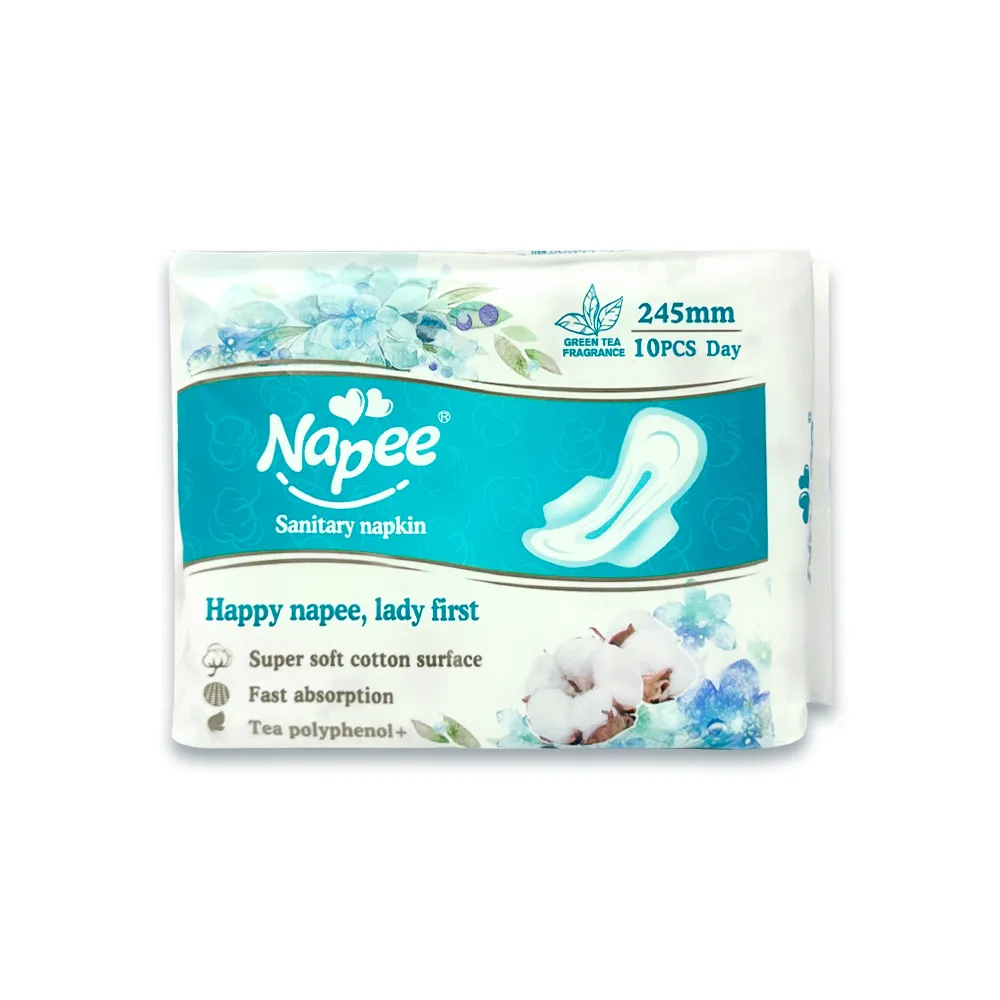
One often notices that excellent manufacturers can be terrible at packaging design. They might make a great pad, but the wrapper looks like it was designed in 1990. When sourcing Wholesale Sanitary Napkins, ask about the packaging options early in the conversation.
-
Can they do aluminum foil packs (which look premium)?
-
Do they offer biodegradable wrappers?
-
Is the outer carton sturdy enough for shipping without crushing the product?
It’s surprisingly common for goods to arrive damaged because the wholesale boxes were too thin. That’s money down the drain.
5. Vet the Supplier’s Consistency (Not Just Their First Shipment)
This is the “silent killer” of businesses. The first shipment is perfect—great quality, on time, beautiful. Then, the second shipment arrives, and the quality has dipped slightly. By the third shipment, the adhesive doesn’t stick.
Consistency is harder to find than quality. While it is hard to know this for sure before you buy, you can look for clues. Do they have automated quality control systems (cameras on the line)? Or is it all manual checking? Automated lines tend to produce more consistent Wholesale Sanitary Napkins because machines don’t get tired or distracted.
Conclusion
Sourcing Wholesale Sanitary Napkins is a bit of an art form. It requires balancing the cold, hard math of unit costs with the very human need for comfort and safety. It’s easy to get lost in the numbers, but remembering that a real person uses this product is usually the best compass. If the sample feels wrong to the touch, or the supplier seems disorganized, trust those instincts. The right product will eventually show up if you keep digging.
FAQ
1. What is the standard shelf life for sanitary napkins?
Generally, it is about 3 years from the manufacturing date. However, this depends on storage. If the wholesale warehouse is damp or hot, the adhesive can degrade much faster. Always check the manufacturing dates on the cartons when they arrive.
2. Is it better to buy pads with wings or without?
Almost overwhelmingly, the market prefers wings. They provide better security and leak protection. Unless you are targeting a very specific niche or ultra-low cost point, stocking wingless pads is often a riskier move as they sell slower.
3. What is the minimum order quantity (MOQ) for wholesale?
This varies huge amounts. For unbranded (generic) stock, you might get away with 5,000 to 10,000 pieces. But for custom packaging or private label Wholesale Sanitary Napkins, suppliers usually demand 100,000+ pieces per size to make the production run worth it.
References
-
FDA.gov – Menstrual Tampons and Pads: Information for Premarket Notification (510(k))
-
INDA (Association of the Nonwoven Fabrics Industry) – Market trends and material standards
-
Global Organic Textile Standard (GOTS) – Ecology & Social Responsibility (for organic cotton claims)