Let’s be honest for a second—starting a hygiene brand sounds straightforward until you actually have to find the person making the product. I’ve seen so many enthusiastic entrepreneurs get stuck in this exact phase. You have the brand vision, the logo, and maybe even the marketing strategy, but finding a Sanitary Napkin Manufacturer that doesn’t just treat you like another number? That is the real hurdle.
It’s not just about who has the fastest machine or the cheapest unit price (though, let’s keep it real, price matters). It’s about finding a partner who understands that the market is shifting under our feet. Women today aren’t just buying protection; they are buying comfort, ethics, and increasingly, sustainability. If your manufacturer is stuck in 2010, your brand will be too.
The Non-Negotiables: Certifications and Safety
I cannot stress this enough—if they hesitate when you ask for paperwork, run. In this industry, trust is good, but documentation is better.
When you are vetting a potential partner, you aren’t just looking for a factory; you are looking for a liability shield. A legitimate Sanitary Napkin Manufacturer should be waving their ISO certifications in your face before you even ask.
What to actually look for
- ISO 9001: This is the baseline. It basically means they have a process and they follow it.
- FDA & CE: If you plan to sell globally (or just want that badge of authority), these are critical.
- SGS/Intertek Reports: These third-party tests validate claims like “antibacterial” or “biodegradable.”
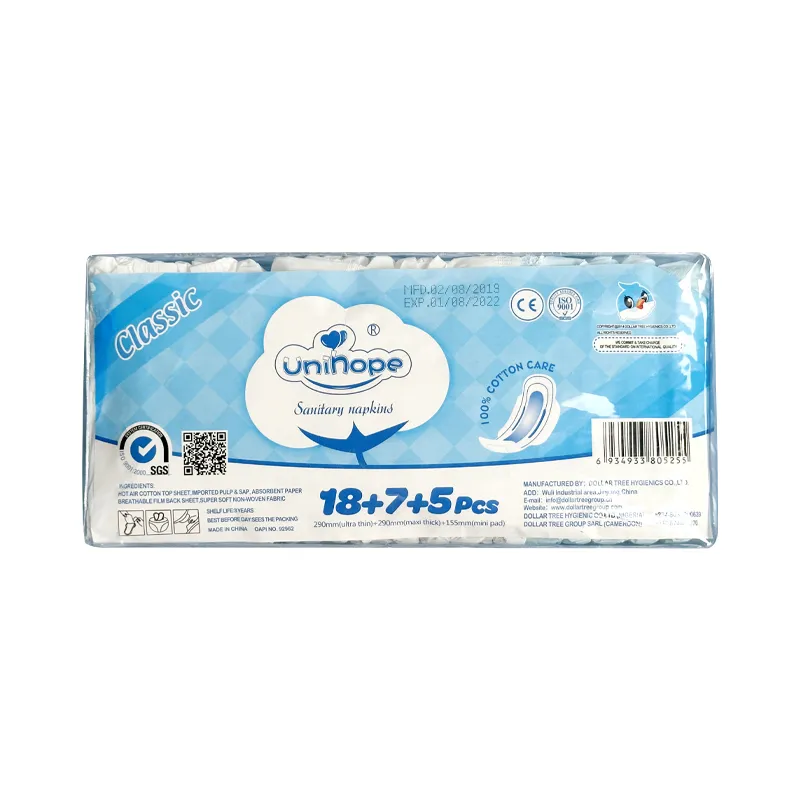
I remember talking to a supplier once who claimed their pads were “100% organic cotton.” When I asked for the GOTS (Global Organic Textile Standard) certificate, the room went quiet. Don’t let that happen to you.
The “Green” Shift: Are They Ready?
Have you noticed how the shelves are starting to change? In many markets, traditional plastic wrappers are gradually sharing space with materials labeled as “corn-based” or “bamboo fiber.” That said, the pace of this shift is not the same everywhere.
Market expectations vary significantly. In some regions or channels, packaging materials and sustainability claims play an important role in purchasing decisions, while in others, price stability and supply reliability still matter far more than whether the materials are biodegradable.
If you’re considering entering the market now, it’s worth looking beyond standard plastic pad manufacturers—especially if your target market shows growing interest in sustainable solutions. In those cases, partners who are already experimenting with newer materials can offer more flexibility. From industry observation, manufacturers that are testing biodegradable SAP (Super Absorbent Polymers) and PLA (polylactic acid) backsheets often demonstrate a stronger ability to adapt as demand evolves.
Assessing Production Capabilities and “Hidden” Costs
Here is where the relationship usually gets tricky—the Minimum Order Quantity (MOQ).
It’s a dance, really. You want a low MOQ to test the market; they want a high MOQ to make turning on their massive machines worth it. A Sanitary Napkin Manufacturer worth their salt will usually have a “pilot run” option, even if it costs a bit more per unit initially.
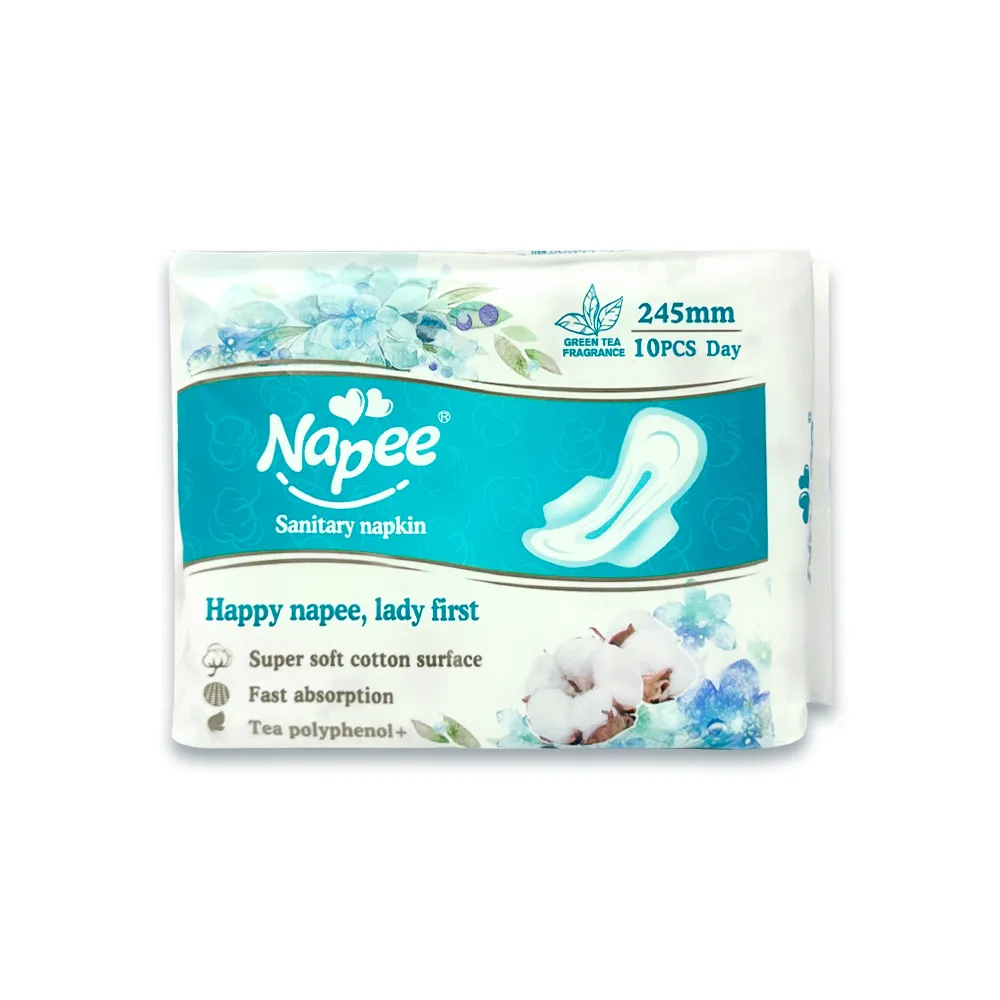
Also, pay attention to customization limits. Some factories are great at churning out millions of standard white pads but fall apart if you ask for a custom print on the release paper or a specific box design.
Comparing Manufacturer Types
To help you visualize the trade-offs I’ve seen in the market, here is a quick breakdown:
| Feature | Large-Scale Industrial Manufacturer | Boutique / Eco-Specialist Manufacturer |
|---|---|---|
| MOQ | High (Often 100,000+ pieces) | Lower (Can be 10,000 – 50,000) |
| Cost Per Unit | Lowest possible | Higher (Premium materials cost more) |
| Customization | Rigid (Standard molds only) | Flexible (Custom shapes / materials) |
| Innovation Speed | Slow (Large-scale production cycles) | Fast (Quick to adopt new technologies) |
| Ideal For | Mass market, budget brands | Niche, organic, or luxury brands |
Transparency is the New Currency
There was a time when you could just ship a container and no one asked questions. Those days are gone. Consumers today are detectives. They want to know where the cotton came from.
From my perspective, the most valuable trait in a manufacturer is transparency. Can you visit the factory? (Or at least get a live video tour?) Do they disclose their raw material suppliers?
If a manufacturer is secretive about where they source their fluff pulp or SAP, it’s usually a red flag. A transparent supply chain isn’t just ethical; it’s a marketing asset you can use for your brand story.
Conclusion
Choosing a Sanitary Napkin Manufacturer is less about finding a vendor and more about finding a partner who won’t ghost you when raw material prices spike. Take your time, ask the hard questions about certifications, and maybe trust your gut a little bit. If they seem too eager to say “yes” to everything without asking for details, proceed with caution. The right partner will challenge you to make a better product.
For more Useful tips when choosing a reliable sanitary napkin manufacturer, you can check our blog Top 5 Tips for Choosing Wholesale Sanitary Napkins.
FAQ
What is a typical MOQ for a private label sanitary napkin order?
It varies wildly, but for a fully customized private label product, expect anywhere from 100,000 to 300,000 pieces per SKU. However, some manufacturers offer “stock” products with custom packaging for lower quantities (around 20,000 pieces).
How long does the manufacturing process take?
Once you approve the design and pay the deposit, production usually takes 25 to 35 days. However, the first order always takes longer (sometimes 45-60 days) because they have to make the printing plates for your packaging and set up the molds.
Can I get biodegradable pads that absorb as well as plastic ones?
Yes, but with a caveat. Modern biodegradable SAPs are excellent, but they can be more expensive. You don’t have to sacrifice performance anymore, but you might have to adjust your profit margins or retail price point.