Sourcing products is messy. It’s never quite as linear as the business textbooks make it sound, is it? You have a product idea, you have a market, and then you hit the wall of actually making the thing. When that “thing” is a product meant for delicate, sensitive newborn skin, the stakes get incredibly high. It’s not just about profit margins; it’s about safety.
Finding a baby wipes manufacturer that doesn’t just treat you like another number in a spreadsheet is tough. The market is flooded. Absolutely flooded. There are factories promising the moon—lowest prices, fastest shipping, organic everything—but discerning who is telling the truth and who is cutting corners (corners that shouldn’t be cut) takes a bit of intuition. It is less about a checklist and more about finding a partner who gets it.
Understanding the Safety Landscape First
Before even looking at a price list, safety has to be the conversation starter. If a baby wipes manufacturer cannot prove, without a shadow of a doubt, that their water filtration system is top-tier, walk away. Seriously.
Water is the main ingredient in wipes. It sits in a warm, moist package for months. If the preservation system isn’t perfect, you are basically selling a petri dish.
The Certifications That Actually Matter
You will see a lot of logos on supplier websites. Some are impressive, some are just fluff. It’s easy to get dazzled by a wall of certificates. However, looking for specific standards is usually a safer bet. For example:
- ISO 9001: This is the baseline for quality management. If they don’t have it, it’s a red flag.
- SGS Testing & Certification: Provides independent third-party testing and verification to ensure product safety, quality, and compliance with international standards.
Ingredient Transparency and Formulation
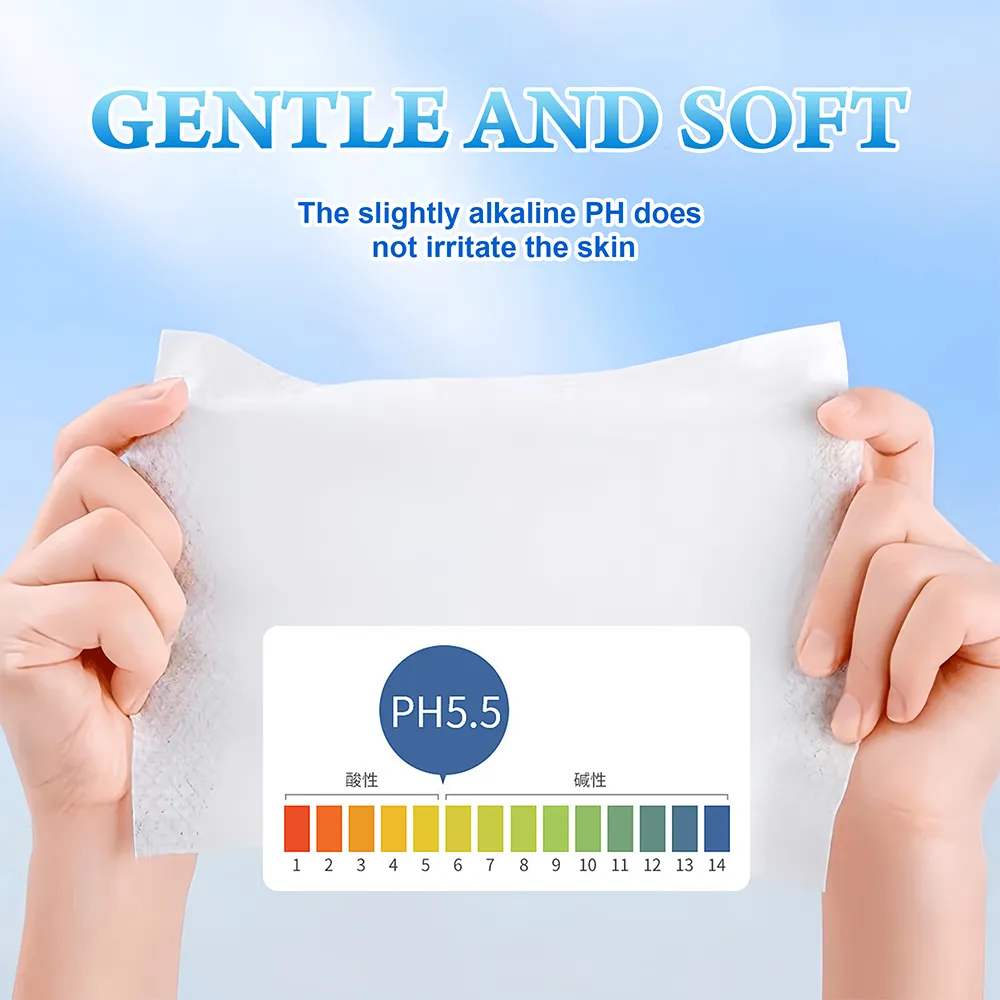
A good baby wipes manufacturer won’t hide their ingredient list. They should be willing to tell you exactly what preservatives they are using. Are they using parabens? (Hopefully not). Are they using phenoxyethanol? Is it plant-based?
If they get vague when you ask about the specific chemical composition of the “fragrance,” that is a worry. Customers today are smart; they read labels. If the manufacturer can’t explain what is in the wipe, you certainly won’t be able to explain it to a concerned parent.
Production Capabilities and Scalability
It is a classic problem. You find a small factory that treats you well, the quality is great, and then your brand takes off. Suddenly, you need 50,000 units instead of 5,000 wholesale baby wipes. Can they handle it?
Assessing Lead Times
Lead times are where relationships usually fall apart. A baby wipes manufacturer might promise a 20-day turnaround, but does that include the time it takes to source the raw spunlace fabric? Often, it doesn’t.
You have to dig into their supply chain a little bit. Do they make the fabric in-house, or do they buy it from someone else?
- Integrated Manufacturers: They make the fabric and the finished wipe. Usually more reliable on timing.
- Converters: They buy the fabric and just cut/pack it. They are at the mercy of their suppliers.

The Reality of Rush Orders
Things go wrong. Ships get delayed. Trends spike. When you need a rush order, will this factory help you out, or will they quote you a “standard procedure” policy? This is hard to test until it happens, but asking about their surge capacity early on is a smart move.
The “Hidden” Costs of Cheap Manufacturing
Everyone wants a low price. It’s business. But in the world of hygiene products, “cheap” usually means “thin.”
If a quote looks too good to be true, check the GSM (Grams per Square Meter). This is the density of the wipe. A cheap baby wipes manufacturer might quote you for a 35gsm wipe when the industry standard for a premium feel is closer to 50gsm or 60gsm. You save money, sure, but the end customer gets a flimsy wipe that tears when they pull it out of the pack. That is a quick way to kill a brand reputation.
It’s a balance. You want competitive pricing, but not at the cost of the product actually working.
Comparing Potential Partners
Sometimes it helps to just lay it all out. When you are talking to three or four different factories, the details start to blur together. Making a comparison matrix can help clarify who is actually offering value versus who is just offering a low sticker price.
Here is a look at how you might weigh the differences between two types of suppliers.
| Feature | Manufacturer A (Budget Option) |
Manufacturer B (Quality Partner) |
|---|---|---|
| Price per Unit | $0.50 | $0.65 |
| MOQ (Minimum Order) | 10,000 packs | 5,000 packs |
| Fabric Quality | Variable (35–40gsm) | Consistent (50gsm+) |
| Communication | Slow, transactional | Consultative, proactive |
| Customization | Packaging only | Custom formulas & embossing |
| Transparency | “Trust us” | Full lab reports |
You can see that Manufacturer A looks better on the P&L statement initially. But Manufacturer B allows for a lower MOQ (Minimum Order Quantity), which reduces your inventory risk, and the quality is likely to keep customers coming back.
Communication Styles and Cultural Fit
This part is subjective, but it matters. When you send an email to a potential baby wipes manufacturer, how long does it take for them to reply?
If it takes three days to get a quote when you are trying to give them money, imagine how long it will take to get a response when there is a problem with the shipment. You need responsiveness.
Also, do they push back? It sounds odd, but you want a manufacturer who pushes back. If you ask for a packaging design that is going to leak or a formula that is unstable, a good partner will say, “Hey, that’s a bad idea, let’s try this instead.” A bad partner will just say “Yes,” take your money, and deliver a product that fails.
The Sample Process
Never, ever skip the sampling phase. And don’t just get one sample. Get the “Golden Sample” (the perfect one they send to impress you), and then ask for a sample from a random production run if possible.
Touch the wipes. Smell them.
- Do they stick together when you pull them out? (This is called “dispensability” and it is a huge pain point for parents).
- Is the moisture level right?
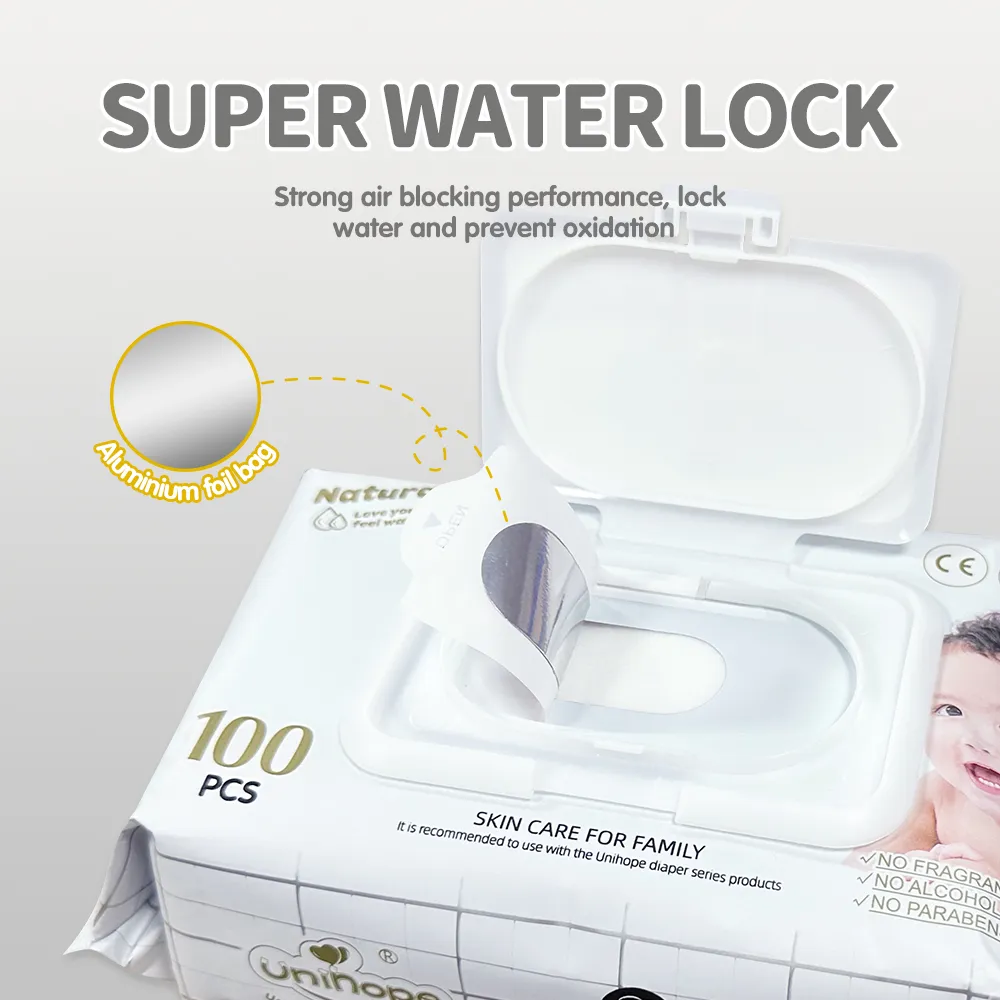
- Does the lid snap shut with a satisfying click?
These are tiny, tactile details that a factory manager might overlook, but a user definitely won’t.
Sustainability Trends
The market is shifting. Plastic-based wipes (usually polyester/viscose blends) are slowly falling out of favor. Biodegradable options—bamboo, 100% viscose, or wood pulp—are where the industry is heading.
A forward-thinking baby wipes manufacturer should already have these options available. Even if you aren’t launching an “eco-friendly” line right now, you might want to in two years. If your manufacturer is stuck in the past with only synthetic materials, you will eventually have to go through the painful process of switching suppliers later.
Final Thoughts
Choosing the right partner is exhausting. It just is. You will send fifty emails and get five decent replies. You will see price variances that make no sense.
But if you focus on the fundamentals—water quality, consistent fabric weight, and honest communication—you can filter out the noise. The goal isn’t just to find a baby wipes manufacturer; it’s to find a factory that cares about the product almost as much as you do.
Once you find that, hold onto them. Good manufacturing partners are rare.
FAQ
Can I just ask a manufacturer to copy a big brand’s formula exactly?
Technically, yes, but legally? It’s a minefield. While you can ask a baby wipes manufacturer to reverse-engineer a popular product to get a similar “feel” or scent profile, reliable manufacturers won’t blatantly infringe on intellectual property. Plus, big brands often use proprietary blends that are patented. It is usually smarter (and safer) to use the manufacturer’s “white label” formulas that are already tested and stable, then tweak them slightly to make them your own.
Why are the shipping terms (Incoterms) so confusing?
Factories love to quote prices in EXW (Ex Works). This means the price is just for the product sitting on their dock; you have to figure out how to get it to the port, on the ship, and through customs. It looks cheaper, but it’s a headache. When comparing quotes, always ask for FOB (Free on Board) if you are importing. This means the manufacturer handles the local transport to the port and clears export customs. It costs a bit more per unit, but it saves you a massive amount of stress.
Is “Preservative-Free” actually possible?
Honest answer? No. Not really. If a baby wipes manufacturer tells you they can make a water-based wipe with zero preservatives, run. Water creates life (bacteria, mold, fungi). You need a preservation system to keep the product safe for shelf life. The goal isn’t “no preservatives”; it is “gentle, safe preservatives” that won’t irritate a baby’s skin but will stop mold from growing in the pack.
Resource
If you want to dig deeper into the technical standards or check up on a potential supplier’s claims, these are the industry bodies and guidelines you should be looking at.
INDA (Association of the Nonwoven Fabrics Industry): The authority on the fabrics used in wipes. Their guidelines on flushability are the industry standard.
FDA Cosmetics Guidance: Even though wipes are often non-medical, they fall under cosmetic regulations in the US.
ISO Standards Catalog: specifically ISO 22716 for Cosmetics GMP (Good Manufacturing Practices).