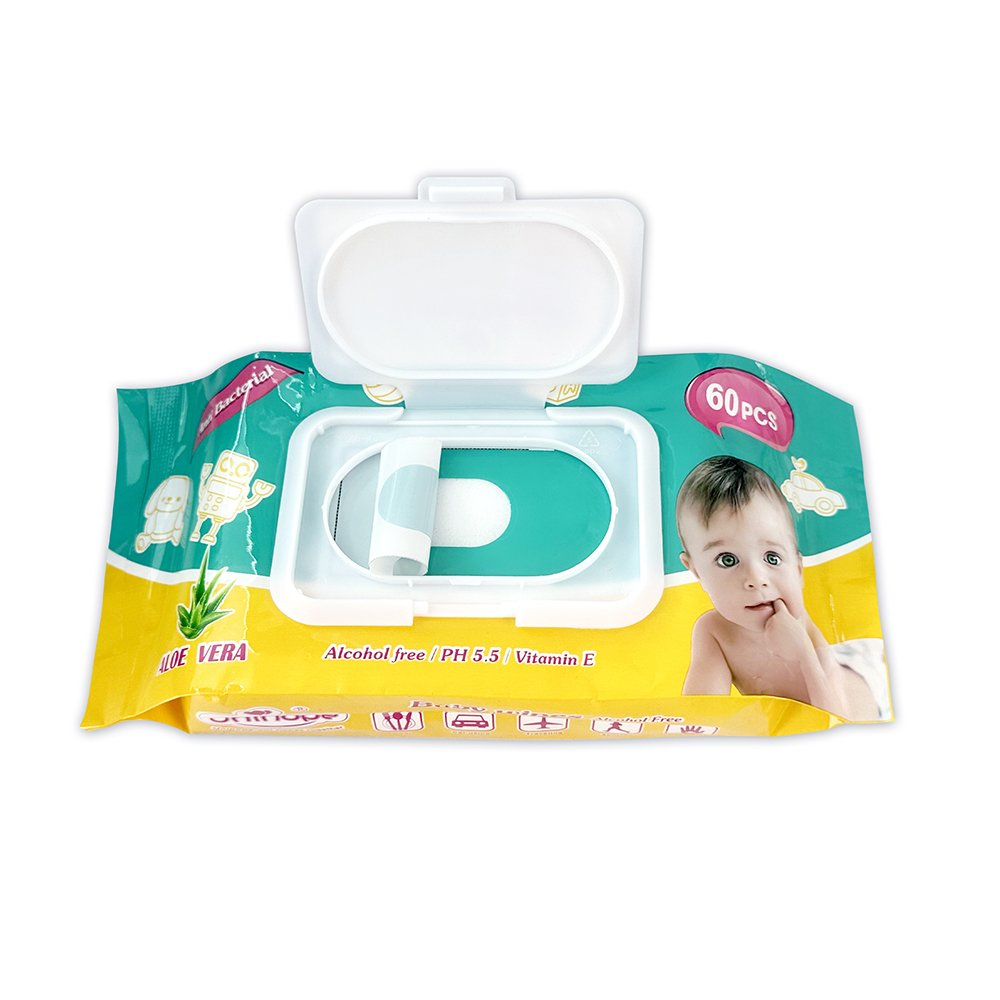
Babies have incredibly sensitive skin. That’s not just marketing talk—it’s biology. Their skin barrier hasn’t fully developed, making them vulnerable to irritants, allergens, and harmful substances that adults might never notice. This reality places enormous responsibility on any baby wipes manufacturer operating in today’s market.
So what separates a trustworthy producer from one cutting corners? The answer lies in adherence to strict quality standards, and honestly, the details matter more than most people realize.
Why Quality Standards Matter in Baby Wipe Production
When parents reach for a wipe—sometimes dozens of times daily—they’re trusting that product won’t harm their child. It seems simple enough, but the manufacturing process involves multiple stages where things can go wrong. Raw material sourcing, chemical formulations, moisture content, packaging integrity… each step presents potential risks.
A responsible baby wipes manufacturer understands this chain of accountability. They don’t just meet minimum requirements; they often exceed them. Because here’s the thing: regulatory compliance represents the floor, not the ceiling.
Regulatory Frameworks and Certifications
Different regions maintain their own regulatory standards. In the United States, the FDA oversees cosmetic products including baby wipes. European manufacturers must comply with EU Cosmetics Regulation (EC) No 1223/2009. China has its own GB standards that can be quite stringent.
Key certifications that indicate quality include:
• ISO 9001 (Quality Management Systems)
• ISO 22716 (Good Manufacturing Practices for Cosmetics)
• OEKO-TEX Standard 100
• Dermatologically tested certifications
• Hypoallergenic testing verification
Not every baby wipes manufacturer holds all these certifications, but the reputable ones typically maintain several. It’s worth noting that certification isn’t just paperwork—it requires ongoing audits and process documentation.
Critical Material and Safety Standards
Base Material Requirements
The foundation of any baby wipe is its substrate—the actual fabric material. Most manufacturers use nonwoven fabrics, though the specific composition varies considerably.
| Material Type | Characteristics | Common Use |
|---|---|---|
| Spunlace | Soft, strong, good absorption | Premium wipes |
| Airlaid | Highly absorbent, bulky | Thick wipes |
| Spunbond | Durable, less soft | Economy options |
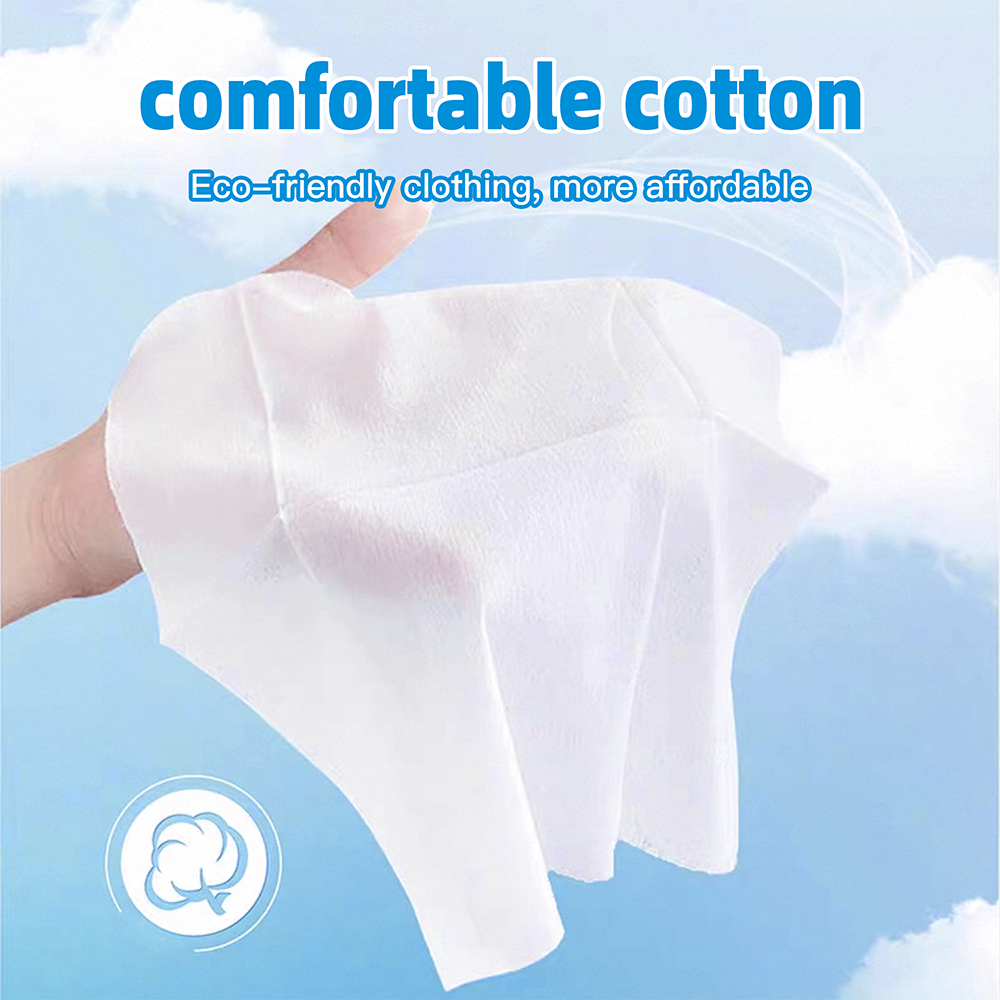
| Cotton blend | Natural feel, biodegradable | Eco-friendly lines |
| Bamboo fiber | Sustainable, naturally antibacterial | Green products |
A quality-focused baby wipes manufacturer typically selects materials based on end-use rather than just cost considerations. Substrate weight, measured in GSM (grams per square meter), usually ranges from 40-80 GSM for baby wipes. Lighter isn’t always worse, but the material needs adequate strength to avoid tearing during use.
Solution Formulation Standards
The liquid component—what the industry calls “lotion” or “solution”—requires careful formulation. Water quality alone can make or break a product. Purified or deionized water is standard; anything less introduces unnecessary variables.
Ingredients that quality manufacturers typically avoid or minimize:
1. Parabens (preservatives linked to potential health concerns)
2. Phthalates (plasticizers with controversial safety profiles)
3. Formaldehyde-releasing agents
4. Synthetic fragrances (common irritant triggers)
5. Alcohol (can dry sensitive skin)
6. MIT/CMIT preservatives (known sensitizers)
That said, preservatives aren’t inherently bad—they’re actually necessary. Wet wipes without adequate preservation become breeding grounds for bacteria and mold. The challenge facing every baby wipes manufacturer is finding that balance between safety and efficacy.
Microbiological Testing Protocols
Speaking of bacteria, microbiological standards are absolutely non-negotiable. Products must demonstrate freedom from harmful pathogens including:
• Pseudomonas aeruginosa
• Staphylococcus aureus
• Escherichia coli
• Candida albicans
Testing typically occurs at multiple stages: incoming raw materials, in-process checks, and finished goods. A serious baby wipes manufacturer maintains detailed batch records and conducts regular environmental monitoring of production facilities.
Manufacturing Environment and Process Controls
The physical production environment matters tremendously. Cleanroom or controlled environment manufacturing reduces contamination risks significantly. Temperature and humidity controls protect product integrity throughout the process.
Quality Control Checkpoints
Throughout production, multiple inspection points verify:
• Moisture content consistency (typically 200-300% of substrate weight)
• pH levels (should remain near skin-neutral, around 5.5-6.5)
• Folding accuracy and count verification
• Seal integrity on packaging
• Label accuracy and batch coding
These aren’t optional extras—they’re fundamental aspects of responsible manufacturing.
Packaging and Storage Considerations
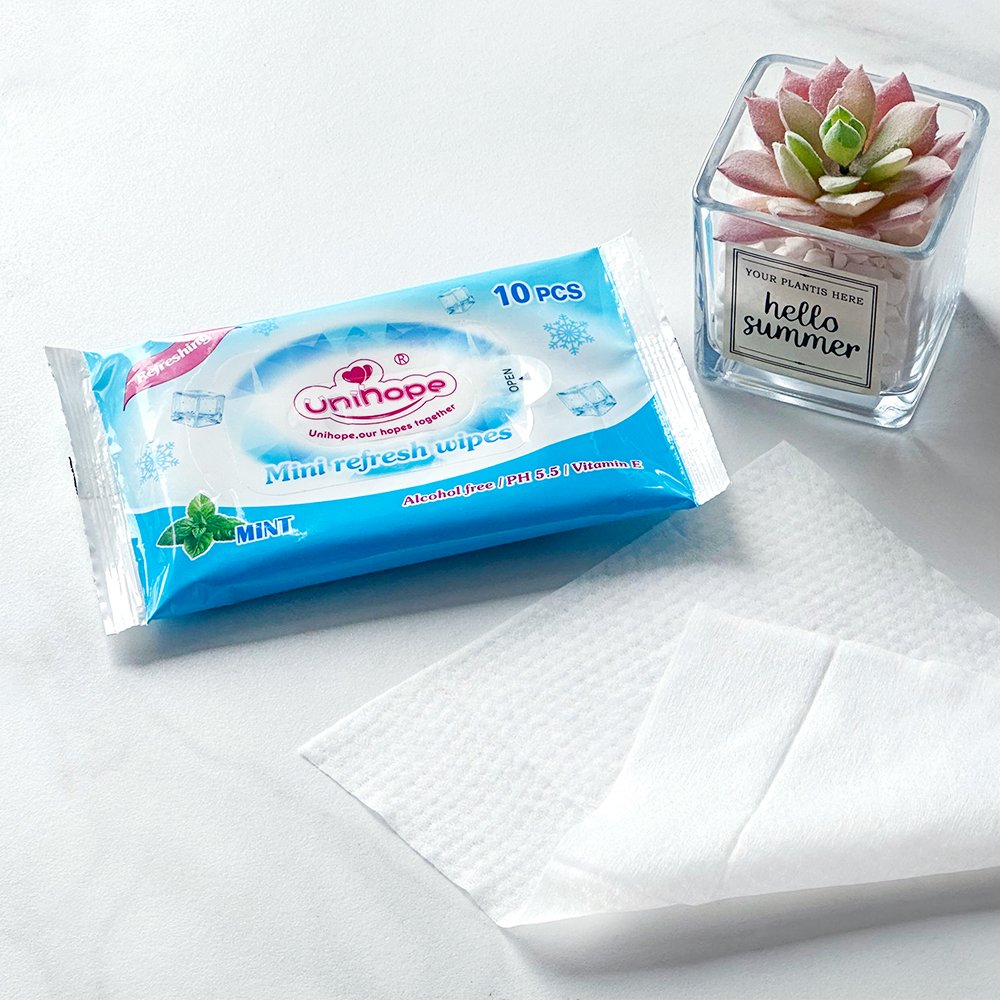
Even perfectly manufactured wipes can fail if packaging standards slip. Moisture retention depends entirely on seal quality. Exposure to air causes drying; compromised seals invite contamination. A quality baby wipes manufacturer tests package integrity through pressure testing, seal strength measurement, and accelerated shelf-life studies.

The baby wipes industry continues evolving, with increasing emphasis on sustainability and natural formulations. But regardless of market trends, core quality standards remain constant. Parents deserve products they can trust, and meeting these standards—really meeting them, not just claiming to—separates genuine quality manufacturers from those simply chasing profits.If you want to know more about baby wipes manufacturers, you can check our guide How to Choose the Right Baby Wipes Manufacturer