Understanding the Wholesale Baby Diapers Market Landscape
The baby care industry keeps growing. Parents everywhere need diapers, and that demand creates opportunities for retailers, distributors, and e-commerce sellers. But here’s the thing—not all suppliers deserve trust.
Sourcing wholesale baby diapers requires more than finding the lowest price. Safety matters enormously when products touch infant skin. Regulatory compliance, material quality, and manufacturing standards all come into play. Some buyers learn this lesson the hard way after receiving substandard goods that customers reject or return.
The market includes domestic manufacturers, international factories, trading companies, and authorized distributors. Each channel has distinct advantages and potential pitfalls worth understanding before committing funds.
Where to Find Reliable Wholesale Baby Diapers Suppliers
Domestic Manufacturing Partners
Working with local manufacturers simplifies communication and reduces shipping complexity. Quality control visits become feasible. Returns and exchanges happen faster when problems arise.
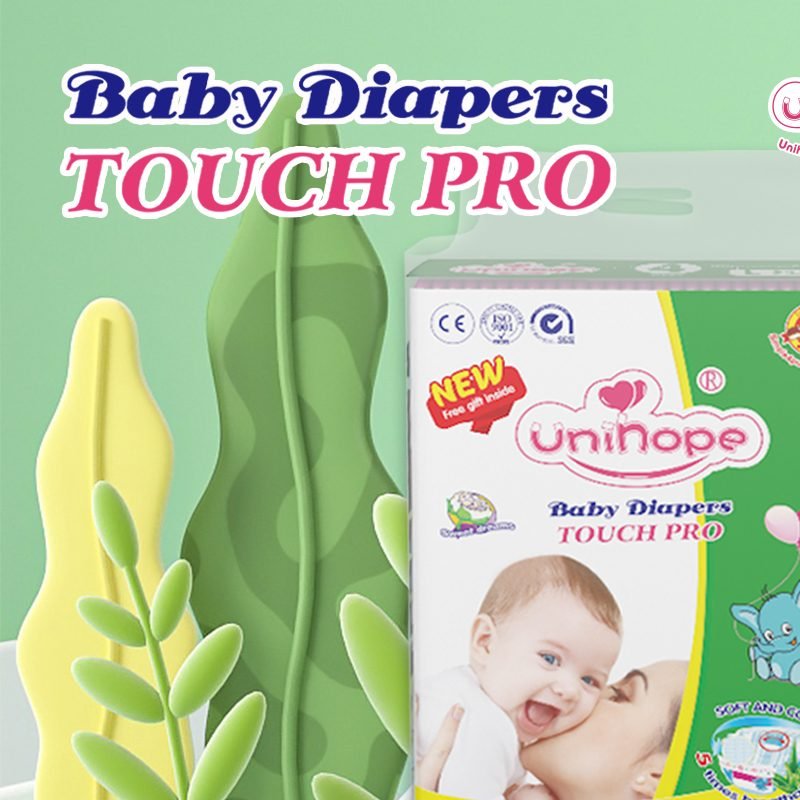
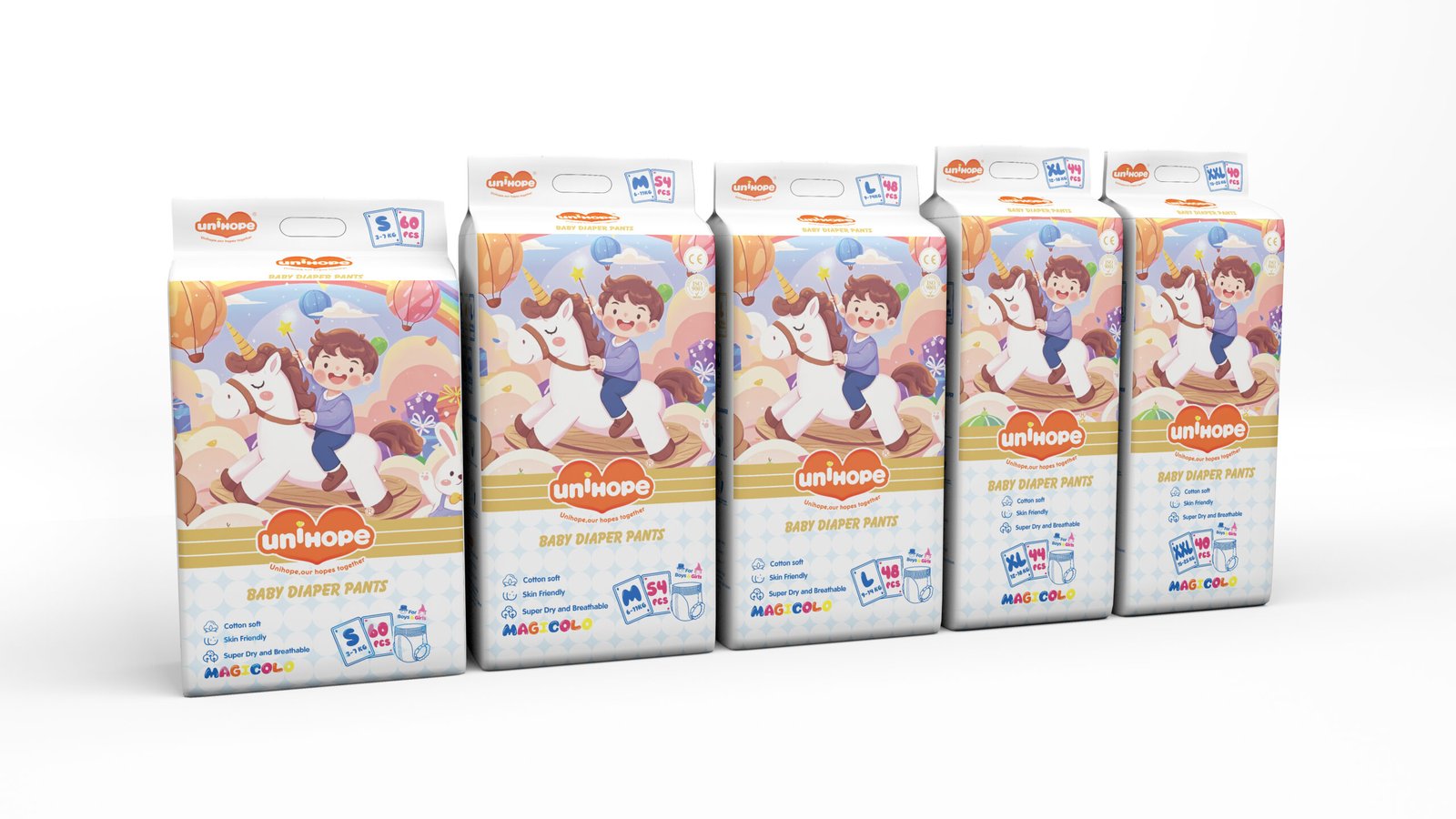
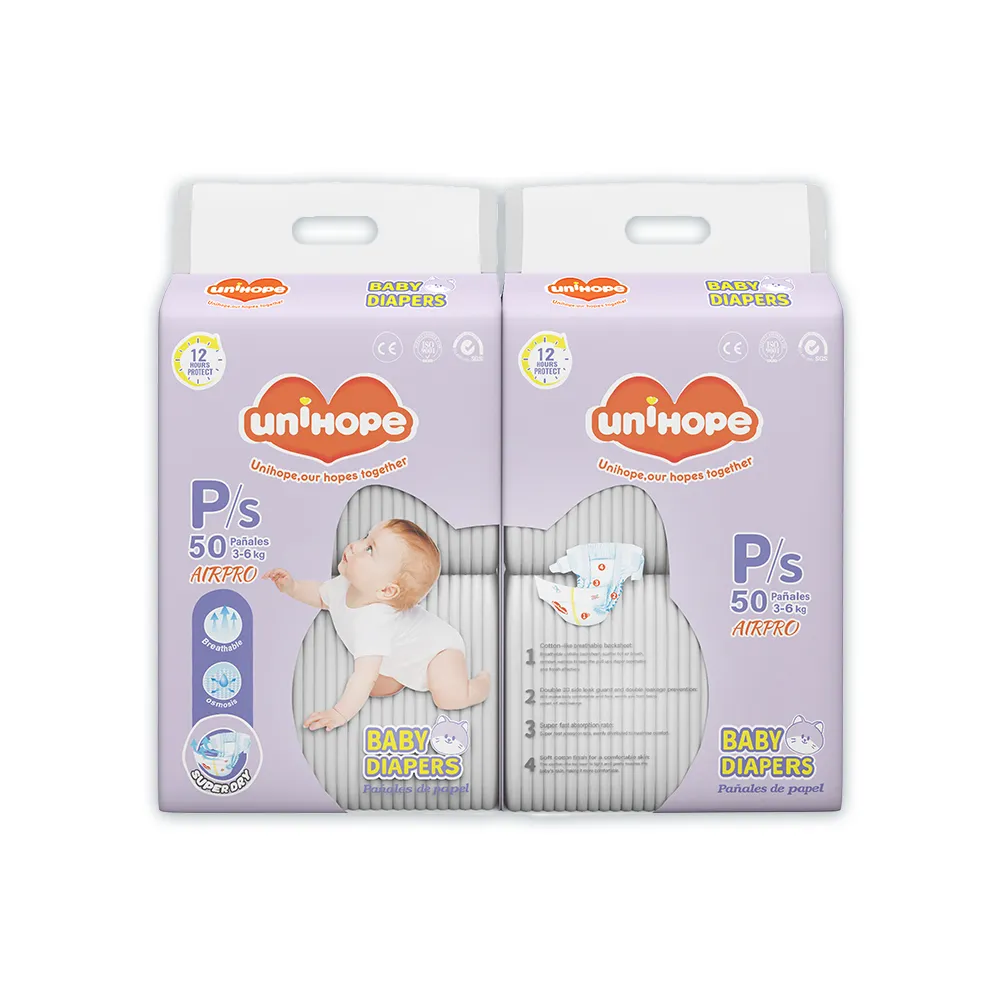
Established brands like Unihope Baby Diaper have built distribution networks accessible to smaller buyers. These relationships often provide:
- Consistent product quality
- Regulatory documentation readily available
- Faster delivery timelines
- Easier dispute resolution
The tradeoff? Domestic options sometimes cost more than overseas alternatives.
International Sourcing Channels
Asian manufacturers—particularly in China—produce enormous volumes at competitive prices. Many legitimate factories welcome wholesale partnerships.
Finding trustworthy international suppliers takes effort though. Trade platforms like Alibaba, Global Sources, and Made-in-China connect buyers with manufacturers. But verification becomes essential. Factory audits, third-party inspections, and sample testing protect against quality disappointments.
Trade Shows and Industry Events
Nothing replaces face-to-face evaluation. Industry exhibitions let buyers examine products physically, meet supplier representatives, and compare options efficiently. Major baby product trade shows happen annually in various regions.
Verification Steps for Wholesale Baby Diapers Suppliers
Documentation and Certification Checks
Legitimate suppliers provide documentation without hesitation. Request these items:
1. Business registration certificates
2. Product safety testing reports
3. ISO certification (if claimed)
4. Import/export licenses for international suppliers
5. Insurance coverage details
Missing or delayed documentation raises red flags.
Sample Evaluation Process
Never skip product sampling. Order samples before bulk purchases—always. Evaluate absorption capacity, material softness, elastic quality, and adhesive strength. Products like Double Core Baby Diaper demonstrate how premium construction affects performance.
| Evaluation Criteria | What to Check | Red Flags |
|---|---|---|
| Absorption | Liquid retention speed and capacity | Slow absorption, leakage |
| Materials | Softness, breathability | Rough texture, chemical odor |
| Construction | Elastic bands, adhesive tabs | Weak seams, tabs that fail |
| Packaging | Seal integrity, labeling accuracy | Damaged packaging, vague labels |
| Documentation | Safety certifications | Missing or outdated certificates |
Reference and Background Research
Ask suppliers for customer references. Contact those references. Online reviews and trade forum discussions reveal supplier reputations that sales representatives might not mention.
Protecting Your Business When Ordering Wholesale Baby Diapers
Start with smaller trial orders. This approach limits financial exposure while testing supplier reliability. Payment terms matter too—escrow services and trade assurance programs add protection layers for international transactions.
Written contracts should specify quality standards, delivery timelines, and remedies for non-compliance. Verbal agreements cause problems later.
Inspection services operating in manufacturing regions can verify shipments before they leave the factory. The inspection cost seems minor compared to receiving containers of defective merchandise.
If you want to know more about wholesale baby diapers, please read Wholesale Baby Diapers: A Complete Guide.
FAQ
What certifications should wholesale baby diapers suppliers have?
Look for relevant safety certifications based on your market—FDA registration for US sales, CE marking for European markets, and standard testing reports like dermatological safety assessments. Reputable manufacturers maintain current documentation.
How can buyers verify international supplier legitimacy?
Use third-party verification services, request video factory tours, check business registration through official databases, and start with protected payment methods. Trade platform ratings help but shouldn’t be the only factor considered.
What order quantities do most wholesale baby diapers suppliers require?
Minimum order quantities vary widely. Some distributors accept smaller orders of a few cases. Direct factory orders typically require container quantities. Negotiation often possible, especially for ongoing relationships.
Building safe sourcing practices takes time but pays dividends. The wholesale baby diapers business rewards patience and due diligence over rushed decisions chasing the cheapest price.