5 Recommended Feminine Care Product Contract Manufactures
Ask anyone who has sourced feminine care products for a few years. They will tell you stories. Samples that looked great but production runs that felt different. Factories that promised 30-day delivery but took 90. Certificates that looked official but turned out to be expired.
The global feminine care market keeps growing. More buyers are looking for reliable feminine care product contract manufacturers. But finding the right one takes more than a quick internet search. This list comes from conversations with people who have placed orders, visited factories, and tested products. Not a ranking. Just five feminine care product contract manufacturers worth knowing.
Recommended Feminine Care Product Contract Manufacturers
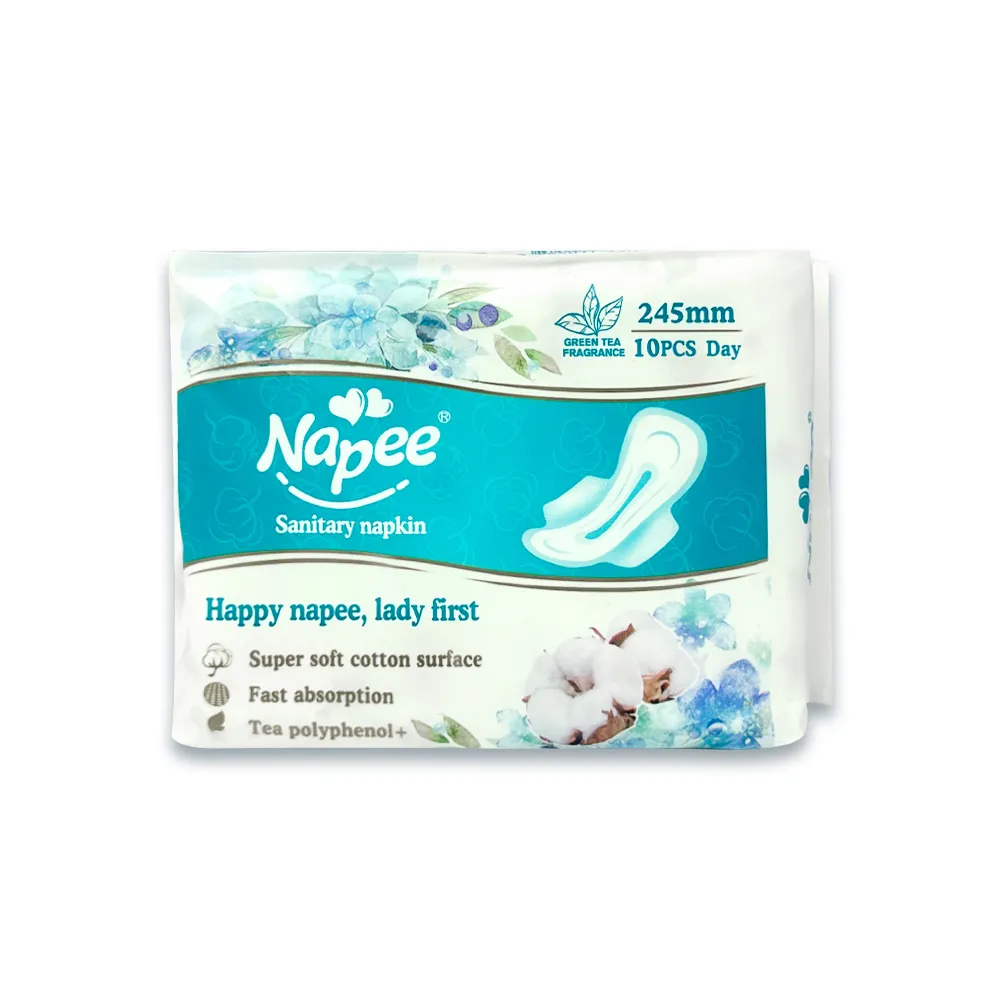
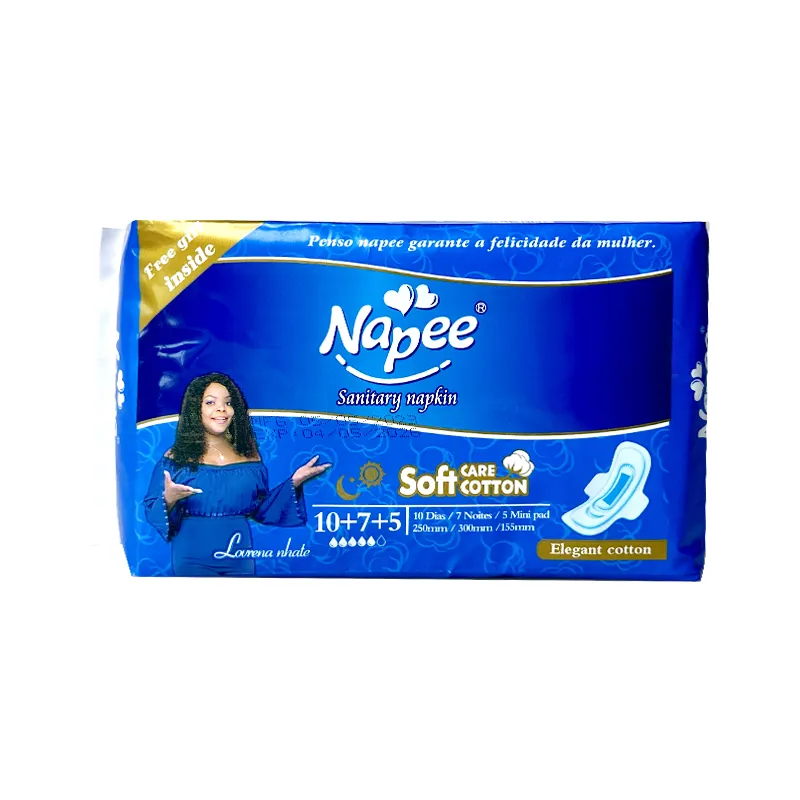
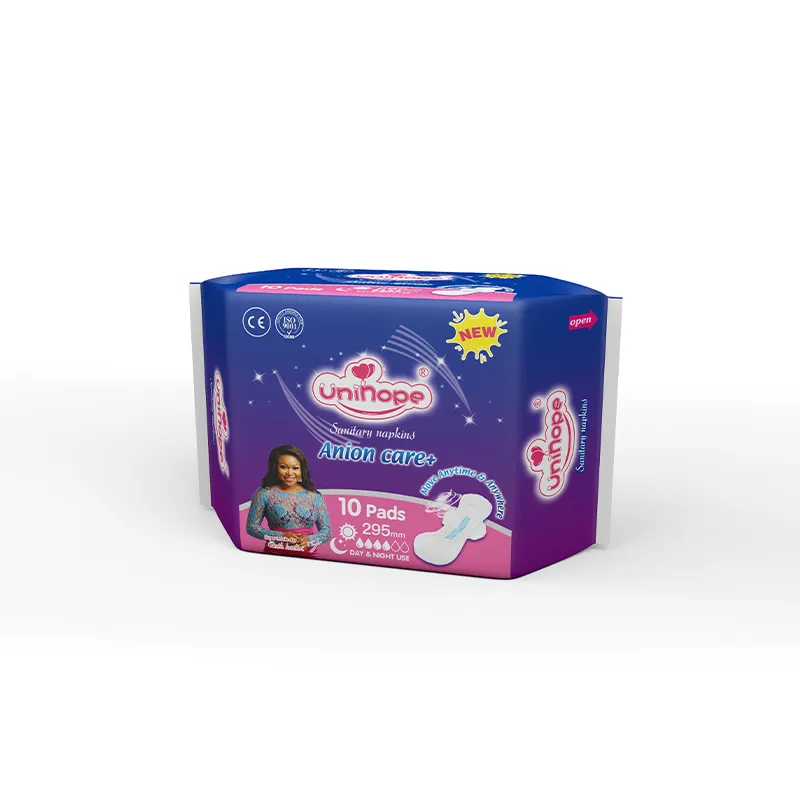
Duolashu Group is based in Jinjiang, Fujian Province. They hold ISO 9001, ISO 13485, CE, SGS, and TUV certifications. Their product range covers Breathable Sanitary Napkins, CLASSIC SANITARY NAPKINS, Mixed Pack Sanitary Napkins, pantyliners, and baby wipes.
With 8 global branches and over 500 distributors across 80 countries, they do both branded retail and OEM partnerships. What sets them apart is flexibility. They handle mixed SKU orders and smaller batch sizes—things larger competitors often avoid.
Key Features
- Full OEM Service: Custom packaging, formulation, design support.
- Production Scale: 18 automated lines, 300×40HQ containers monthly.
- Certifications: ISO 9001, ISO 13485, CE, SGS, TUV.
Best For
- Distributors building private label brands in Africa, the Middle East, and emerging markets.
- Importers needing certified products for pharmacy and supermarket channels.
- E-commerce sellers who want mixed SKU orders without full container requirements.
Buyers looking for reliable wholesale sanitary napkins supply with flexible OEM options.
As a full-service feminine care product contract manufacturer, Duolashu Group combines OEM flexibility with a complete portfolio.
Ontex started in Belgium in 1979. They serve baby care, feminine care, and adult care across 110 countries. Their feminine care products—sanitary pads, pantyliners, tampons—go mostly to retailer private labels.
Buyers notice their sustainability work. In 2024, they got a CDP ‘A’ rating for climate transparency and an EcoVadis Gold medal. That puts them in the top 5% of assessed companies. For buyers under pressure from retail partners to show environmental accountability, that matters.
Key Features
- European Manufacturing: Facilities across Western and Eastern Europe.
- Sustainability Credentials: CDP ‘A’, EcoVadis Gold, SBTi commitment.
- Innovation: Plant-based materials, recyclable packaging options.
Best For
- European retailers who want locally manufactured products.
- Private label programs where EU compliance standards are required.
- Buyers needing third-party verified sustainability data.
For European retailers, Ontex stands out as a sustainability-focused feminine care product contract manufacturer.
Corman has been around since 1947. Started with medical textiles, moved into feminine care in the 1980s. Based in Milan, they make sanitary pads, pantyliners, and tampons under their own Organyc brand and for private label partners.
Their focus is cotton. 100% organic cotton feminine care products. That has become more relevant as retailers look for natural material options. Their Milan facility uses geothermal and solar energy—something visitors notice during factory tours.
Key Features
- Italian Manufacturing: Production in Milan, shorter lead times than Asian sourcing.
- Organic Cotton Expertise: Certified organic cotton topsheets, natural formulations.
- Dermatological Focus: Products developed with gynecologist and dermatologist input.
- Flexible Minimums: More accommodating than larger competitors.
Best For
- European buyers looking for natural material options.
- Private label programs targeting consumers who prefer organic cotton.
- Distributors who want natural products without massive minimum orders.
This Italian feminine care product contract manufacturer is a top choice for organic cotton products.
Abena is based in Aabenraa, Denmark. Started in 1972. They are known for adult incontinence products but have substantial feminine care manufacturing capacity. Their feminine care lines include sanitary pads and pantyliners sold under both their own brands and private labels.
What stands out is their medical-grade approach. Coming from healthcare products, their production standards reflect that. They operate facilities in Denmark, the UK, and the United States—manufacturing on both sides of the Atlantic.
Key Features
- Scandinavian Manufacturing: Production in Denmark and the UK, Nordic regulatory oversight.
- Medical-Grade Standards: Hygiene practices from healthcare product experience.
- Dual-Continent Facilities: Europe and North America manufacturing.
Best For
- European buyers who want Scandinavian quality standards.
- Private label programs where medical-grade hygiene matters.
- Distributors needing a manufacturing partner with facilities on both sides of the Atlantic.
With a healthcare background, Abena is a trusted feminine care product contract manufacturer for medical-grade hygiene.
Kao is one of Japan’s largest consumer goods companies. Their feminine care portfolio is built around the Laurier brand. They operate manufacturing facilities across Japan, China, Thailand, Indonesia, and other Asian markets. Laurier holds significant market share in Japan and China.
For private label buyers, Kao’s OEM services are available but selective. Their strength is material science—heavy R&D investment in absorbency technology shows up in product performance.
Key Features
- Advanced Material Science: Proprietary absorbent technologies from substantial R&D.
- Regional Manufacturing Network: Facilities across Asia for regional distribution.
- Quality Systems: Tight tolerances across high-volume runs.
- Sustainability Initiatives: Reducing plastic use, increasing recycled content.
Best For
- Distributors in Asia who want a manufacturer with strong regional presence.
- Private label programs where advanced absorbency technology matters.
- Buyers who value R&D capability and newer material technologies.
Kao’s advanced material science makes it a preferred feminine care product contract manufacturer in Asia.
Quick Comparison of Feminine Care Product Contract Manufacturers
| Manufacturer | Headquarters | Primary Strength | Private Label | Certifications | Best For |
|---|---|---|---|---|---|
| Duolashu Group | China | OEM flexibility & mixed SKU orders | Yes—full OEM | ISO 9001, ISO 13485, CE | Emerging markets & e-commerce |
| Ontex Group | Belgium | European manufacturing & sustainability | Yes—core business | ISO 9001, EcoVadis Gold | European retail programs |
| Corman SpA | Italy | Organic cotton expertise | Yes | Organic cotton certification | Natural material products |
| Abena Group | Denmark | Medical-grade hygiene | Yes | ISO 9001, Nordic Swan | Healthcare & retail channels |
| Kao Corporation | Japan | Advanced absorbency & Asia presence | Limited | ISO 9001, ISO 14001 | Asia market distribution |
Key Factors When Selecting a Feminine Care Product Contract Manufacturer
No manufacturer fits every situation. Before committing, consider these:
- Location affects lead times, shipping costs, and regulations. Domestic manufacturing means faster replenishment but often higher unit costs.A reliable feminine care product contract manufacturer will be transparent about its production locations and lead times.
- Certifications tell you what standards the facility maintains. ISO 9001 is baseline. GMP matters for hygiene products.
- Minimum order quantities vary widely. Some require full containers. Others accommodate smaller runs—useful for testing new markets.
- Material options matter if you want organic cotton, plant-based layers, or specific absorbent core types.
- Track record with private label programs tells you how smoothly the process will go. The best feminine care product contract manufacturers will provide references from clients in similar markets. Ask for references.
Final Thoughts
Finding a reliable feminine care product contract manufacturer takes time. The right partner balances location, certifications, production capacity, and willingness to adapt. Whether prioritizing domestic manufacturing, sustainability credentials, or advanced material technology, there are strong options available.
Start with samples. Ask about lead times. Verify certifications. The effort upfront pays off in smoother production runs and better product quality.
If you want to know more about Feminine Care Product, please read How to Choose Feminine Care Product Contract Manufacturers.
FAQ
What is the typical lead time for a private label feminine care order?
Lead times vary by manufacturer and order complexity. Custom packaging, new formulations, or first-time orders often take longer due to sample approvals and compliance documentation. Factories with dedicated OEM teams typically move faster.
What documentation should I request from a contract manufacturer?
Key documents include quality management certifications, material safety data sheets for raw materials, and batch test records from recent production runs. A manufacturer that provides these readily is usually more reliable.
Can the same manufacturer produce multiple feminine care products?
Yes. Many feminine care product contract manufacturers produce a full range including sanitary napkins, panty liners, menstrual pants, and intimate wipes. Working with a single supplier for multiple product types simplifies logistics and helps maintain consistent quality across product lines.