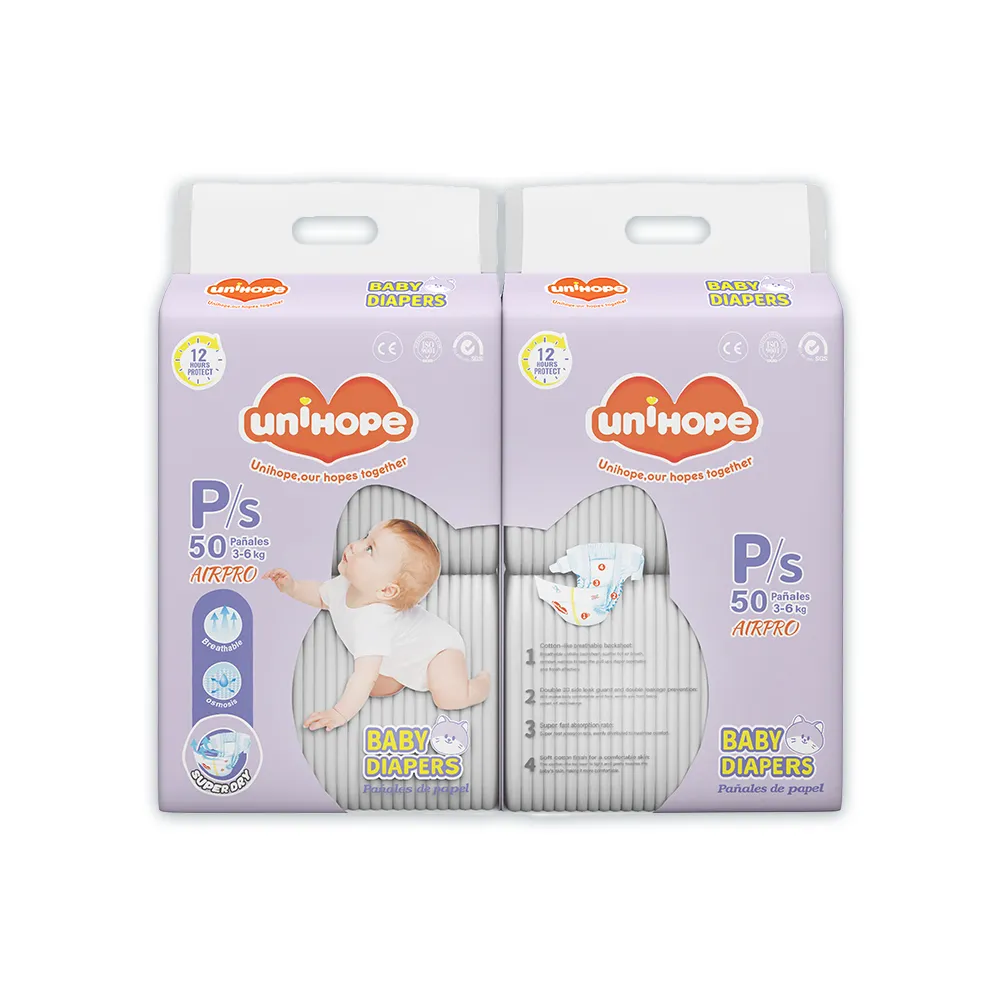
Africa is not a single market. It is a collection of markets. Each with different import rules, different logistics realities, and different consumer preferences. Someone looking for a Baby Diapers Manufacturer in Africa for Nigeria may face completely different challenges than someone supplying Kenya or South Africa.
The demand is there. Growing populations. Rising disposable incomes. More parents looking for affordable, reliable diapers. But finding the right manufacturing partner is not just about picking a name from a list.
This guide walks through what actually matters when choosing a Baby Diapers Manufacturer in Africa. Not theory. Practical things that affect whether your supply chain works or becomes a headache.
Why the African Market Requires a Different Approach
Selling Baby Care Products wholesale in Africa is not the same as selling in Europe or North America. The challenges are different.
Shipping times are longer. Ports can be congested. Currency fluctuations affect pricing. Some countries have high import duties. Others have complex certification requirements.
A Baby Diapers Manufacturer in Africa that works well for a European distributor may not be the right fit for someone serving the African market. Why? Because Africa needs suppliers who understand long lead times, who can handle smaller but frequent orders, and who are flexible when things change.
That last point matters more than people think. Flexibility. Not just in production, but in payment terms, in packaging adjustments, in responding to unexpected delays.
What to Look for in a Baby Diapers Manufacturer in Africa
Production Capacity and Scalability
The first thing to check is whether the supplier can actually handle your volume. Not just today. Six months from now when you have grown.
Ask about monthly output. Ask about lead times. Ask what happens when demand spikes.
A Baby Diapers Manufacturer in Africa that is running at full capacity with no room to scale might delay your orders when you need them most. That affects your own customers.
Quality Consistency
Samples are nice. But samples are not production. A manufacturer can send perfect samples and still ship inconsistent bulk orders.
Check how they test their products. Do they test every batch? Do they have records? Can they show you test reports from recent shipments?
For Baby Diapers Manufacturer in Africa, consistency matters more than perfection. Parents do not expect luxury. They expect reliability. A diaper that does not leak, batch after batch.
Logistics and Shipping
This is where Africa gets tricky. Shipping to Lagos, Mombasa, Durban, or Accra is not the same as shipping to Rotterdam or Los Angeles.
Ask the Baby Diapers Manufacturer in Africa about their experience shipping to your target countries. Do they know the documentation requirements? Have they dealt with customs delays? Can they recommend freight forwarders who know the routes?
Some manufacturers have dedicated teams for African exports. Others do not. The ones that do are worth more.
Certifications and Compliance
Different African countries have different requirements. Some accept ISO certificates. Others need additional documentation.
A reliable Baby Diapers Manufacturer in Africa should be able to provide:
- ISO 9001 (quality management)
- Product safety test reports
- Material safety data sheets
- Country-specific certificates (if required)
Not all buyers need all these documents. But it is good to know the manufacturer can provide them when needed.
Pricing and Payment Terms
Price is always a factor. But in Africa, payment terms matter just as much.
Some suppliers want 100% upfront. Others accept deposits and balance against shipping documents. A Baby Diapers Manufacturer in Africa that offers flexible payment terms is easier to work with, especially for newer importers.
Also watch for hidden costs. Packaging. Shipping insurance. Documentation fees. Ask what is included in the quoted price.
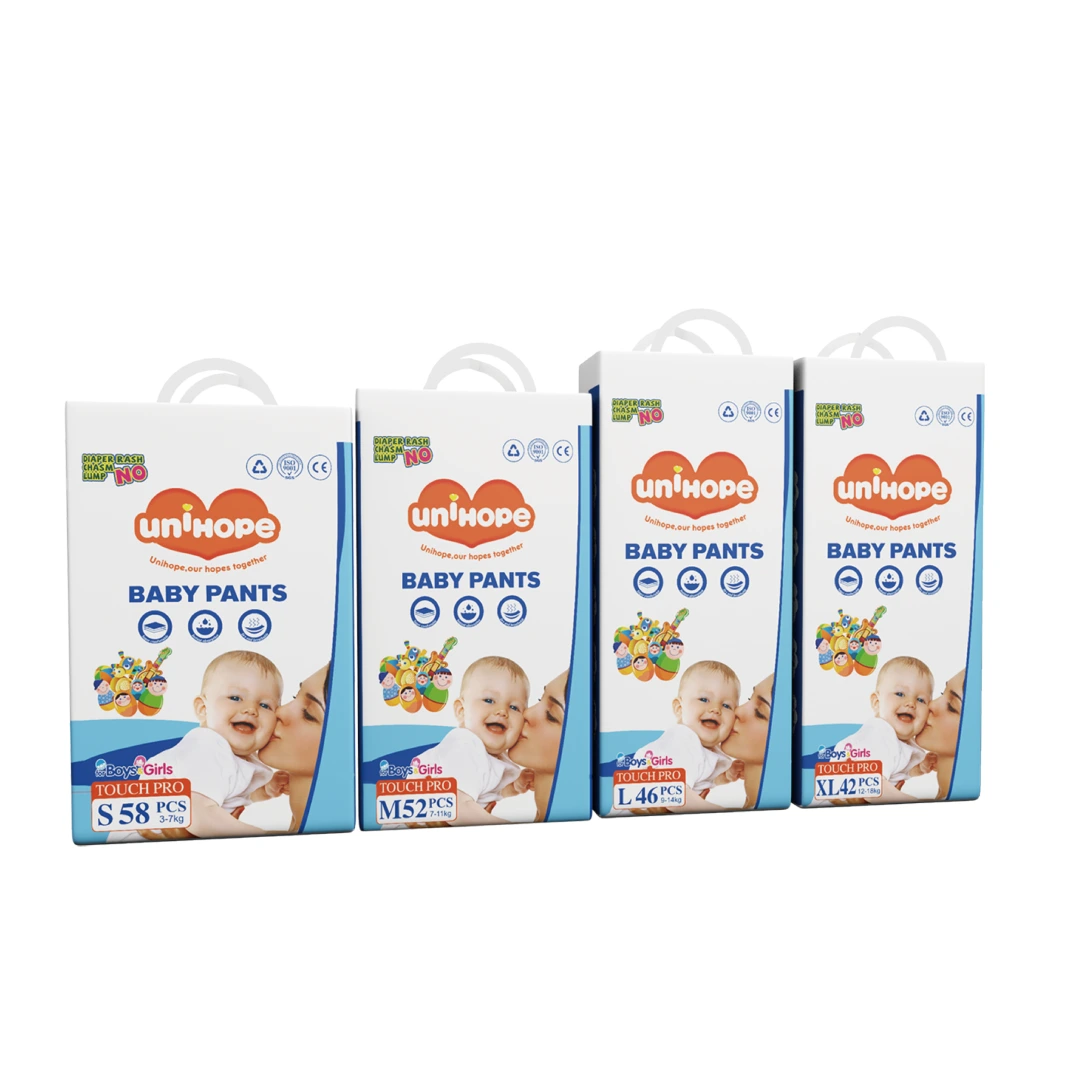
Comparison of Baby Diapers Manufacturers in Africa
The table below summarizes different manufacturer profiles and what they offer for the African market.
| Manufacturer | Strength | Suitable Market |
|---|---|---|
| Hayat Kimya | Scale and cost efficiency | Mass market |
| Ontex | Balanced flexibility | Mid-range |
| Unicharm | Premium quality | High-end |
| Drylock | Technical performance | Performance-focused |
| Duolashu Group | OEM flexibility | Custom/export markets |
Each Baby Diapers Manufacturer in Africa has a different focus. Some are better for large-volume, low-cost programs. Others excel at customization and smaller batches.
Common Mistakes When Choosing a Baby Diapers Manufacturer in Africa
Focusing Only on Price
The cheapest quote often leads to problems. Lower price usually means thinner materials, less testing, or slower production. Over time, returns and complaints cost more than the price difference.
Ignoring Logistics
A great manufacturer is useless if the products get stuck at port for weeks. Ask about shipping experience. Ask about documentation. A Baby Diapers Manufacturer in Africa that has handled African exports before is worth more than one that has not.
Not Testing Multiple Batches
Testing one sample batch is not enough. Order small trial batches first. See if the quality stays the same across multiple runs. Only then commit to larger volumes.
Overlooking Communication
Slow responses during sampling become slower after payment. Pay attention to how quickly and clearly the manufacturer answers questions. It is a sign of how they will handle problems later.
Practical Steps to Find the Right Baby Diapers Manufacturer in Africa
Here is a simple approach that works:
- List your requirements (volume, quality level, budget)
- Find 3 to 5 potential manufacturers
- Request samples and test them
- Check their experience with African logistics
- Ask for references from other African buyers
- Start with a small trial order
- Scale up gradually
This process takes time. But it reduces risk.
For buyers looking at Baby Pull-up Diapers or other Baby Care Products, the same steps apply. The product category changes. The evaluation process does not.
Real-World Observations from African Sourcing
After working with various suppliers for African markets, a few patterns stand out.
First, manufacturers who have dedicated export teams tend to be more reliable. They know the paperwork. They know the shipping routes. They understand that a delay at the port is not just an inconvenience but a real business problem.
Second, batch consistency is often the difference between a good supplier and a frustrating one. A Baby Diapers Manufacturer in Africa that delivers the same quality every time is worth paying a bit more.
Third, communication matters more than people think. A manufacturer who replies within hours, not days, makes everything easier. Orders get confirmed faster. Problems get resolved quicker.
Conclusion
Choosing a Baby Diapers Manufacturer in Africa is not about finding the cheapest option. It is about finding a partner who understands the market, who can handle logistics, and who delivers consistent quality.
Check production capacity. Check quality control. Check shipping experience. Check communication. Start small, test, then scale.
The African market has huge potential. The right manufacturing partner helps you capture that potential. The wrong one creates problems that take months to fix.
If you want to know more about Baby Diapers Manufacturer in Africa, please read 5 Recommended Baby Diapers Manufacturer in Africa Market.
FAQ
What is the minimum order quantity for a baby diapers manufacturer in Africa?
MOQ varies by manufacturer. Some require a full container. Others offer smaller trial orders for new buyers. Always ask before starting.
How do I verify the quality of a baby diapers manufacturer in Africa before committing?
Request samples from multiple production batches. Test absorbency, fit, and material strength. Check if quality stays consistent across batches.
What documentation should a baby diapers manufacturer in Africa provide for shipping?
Expect commercial invoice, packing list, bill of lading, certificate of origin, and test reports. Some countries require additional health or safety certificates.