For schools, shelters, and nonprofit organizations, feminine hygiene products are not occasional “extra” supplies. They are everyday essentials, much like soap, toilet paper, hand sanitizer, or basic first-aid items. That is why many organizations now purchase Bulk Feminine Hygiene Products as part of regular supply planning. Buying in bulk can lower the cost per item, reduce last-minute shortages, and make it easier to serve a large number of people with consistency.
Why Organizations Buy Feminine Hygiene Products in Bulk
Different organizations purchase menstrual care supplies for different reasons, but the core goal is usually the same: reliable access.
In schools, period products may be placed in restrooms, nurse offices, counseling centers, or student support rooms. A student who unexpectedly starts their period should not have to leave campus, miss class, or ask multiple adults for help. In many places, schools are also responding to new expectations around menstrual equity and student wellness.
Shelters have a different rhythm. Residents may arrive without personal belongings, and hygiene needs can be immediate. Pads, tampons, and liners are often used in welcome kits or kept available through staff distribution. For domestic violence shelters, emergency housing programs, and family shelters, the need can be steady and hard to predict.
NGOs, churches, food pantries, and community groups often buy period supplies for hygiene kits. These kits may be distributed at outreach events, disaster relief programs, migrant support centers, or low-income community drives. In these settings, bulk buying helps stretch limited budgets while still offering dignity and care.
What Should Be Included in a Bulk Order?
A common mistake is assuming that one product type will work for everyone. In reality, a balanced order usually performs better.
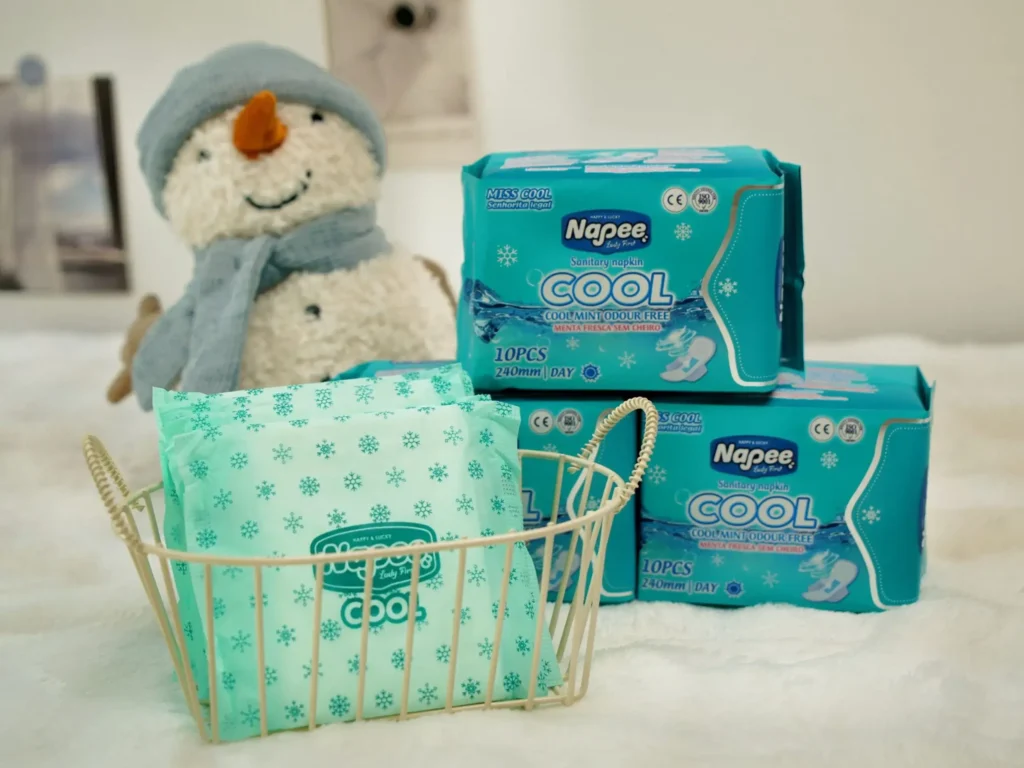
Most organizations start with pads because they are widely usable, simple to distribute, and generally accepted across age groups. Regular absorbency pads are useful for daily needs, while overnight pads are important for shelters and longer-term care programs. Panty liners can also be helpful, especially in schools or community centers where lighter protection may be needed.
Tampons can be included, but they should rarely be the only product offered. Some users do not prefer them for cultural, personal, medical, or comfort reasons. For younger students especially, pads are often the more practical first choice.
A basic bulk order may include:
- Regular sanitary pads
- Overnight or heavy-flow pads
- Panty liners
- A smaller supply of tampons
- Individually wrapped products for hygiene and privacy
- Fragrance-free options when available
For buyers focused mainly on pads, comparing sanitary napkins wholesale options can be a practical starting point. Pads tend to move quickly in schools, shelters, and hygiene kit programs, so they are often the backbone of the order.
Product Needs by Organization Type
The best product mix depends on how the supplies will be used. A high school restroom, for example, does not have the same needs as an overnight emergency shelter.
| Organization Type | Most Useful Products | Buying Priority | Practical Note |
|---|---|---|---|
| Middle and high schools | Regular pads, liners, limited tampons | Easy access and privacy | Restroom placement reduces embarrassment |
| Emergency shelters | Regular pads, overnight pads | High-volume daily use | Individually wrapped products are easier to store |
| Women’s shelters | Pads, tampons, liners | Choice and comfort | Multiple absorbency levels are helpful |
| NGOs and food pantries | Pads in multipacks, hygiene kit items | Low cost per unit | Simple packaging makes distribution easier |
| Colleges and community centers | Pads, tampons, dispensers | Accessibility | Track monthly usage to avoid stockouts |
This table is not a strict rule, of course. A small rural school may need a different mix than a large urban district. A shelter serving families may need more overnight pads than a daytime outreach program. The best approach is to start with a sensible mix, then adjust based on actual usage.
How to Estimate Quantity Before Ordering
Quantity planning can feel uncertain at first. Many organizations either under-order and run out quickly, or over-order products that do not match user preferences.
A simple estimate can help:
Estimated monthly users × average products needed × buffer stock = monthly order target
For example, if a shelter expects to support 60 menstruating residents per month, and each person may need around 15–20 products per cycle, the organization may need 900–1,200 items monthly, plus extra stock for emergencies.
Schools may calculate differently. Instead of estimating full-cycle use, they may plan for emergency access during school hours. In that case, usage tracking is especially important. A restroom basket, nurse office, or dispenser may empty faster than expected during the first few months because students are finally able to access products without asking.
A good rule is to review usage after 30 to 60 days. The first order does not have to be perfect. What matters is creating a system that improves over time.
How to Compare Bulk Suppliers
When purchasing feminine care supplies in quantity, the lowest listed price is only one part of the decision. Shipping fees, minimum order quantities, product quality, and packaging all affect the real cost.
Buyers should compare:
- Cost per unit
Look beyond the case price. Divide the total cost by the number of individual products. - Minimum order quantity
Some suppliers require large case orders, which may not suit smaller nonprofits. - Shipping and delivery time
A low product price can become expensive if shipping is high or unreliable. - Packaging format
Individually wrapped products are usually better for public restrooms, shelters, and outreach kits. - Absorbency variety
A supplier with only one pad type may not meet all needs. - Storage requirements
Products should arrive clean, sealed, and easy to stack in a dry storage area.
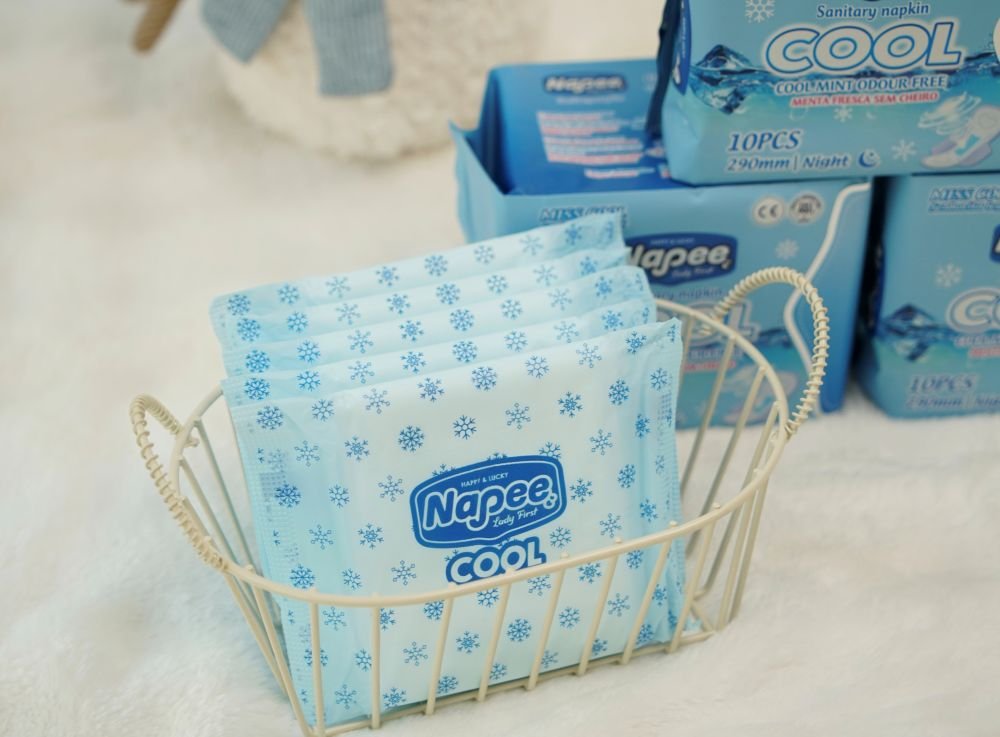
For schools and NGOs working with limited budgets, it is also worth reviewing guides like Where to Buy Bulk Feminine Hygiene Products at Low Cost before placing a larger order. Even small differences in unit cost can matter when an organization is buying thousands of products per year.
Where Schools, Shelters, and NGOs Usually Buy Supplies
There are several common buying channels, and many organizations use more than one.
Wholesale suppliers are often the most predictable option. They are useful for repeat orders, larger quantities, and consistent product types. Discount bulk retailers can also work well, especially for smaller programs that do not yet have a formal procurement system.
Donation drives are common, too. They can be helpful, but they are not always reliable. A drive might bring in many panty liners but not enough overnight pads, or boxes may arrive in mixed brands and sizes. Donations are best used as a supplement rather than the only supply source.
Some organizations also use grants, local government funding, school wellness budgets, or corporate donations. In practice, a hybrid model often works best: purchase core products in bulk, then use donations to add variety or build emergency reserves.
Practical Tips to Avoid Waste
Bulk purchasing saves money only when the products are actually used. A few practical habits can prevent waste and frustration.
Avoid heavily fragranced products when possible. Many users prefer fragrance-free options, and scented products may cause irritation for some people. Also, avoid buying only one absorbency level. Regular pads may be the most common need, but heavy-flow and overnight options matter, especially in shelters.
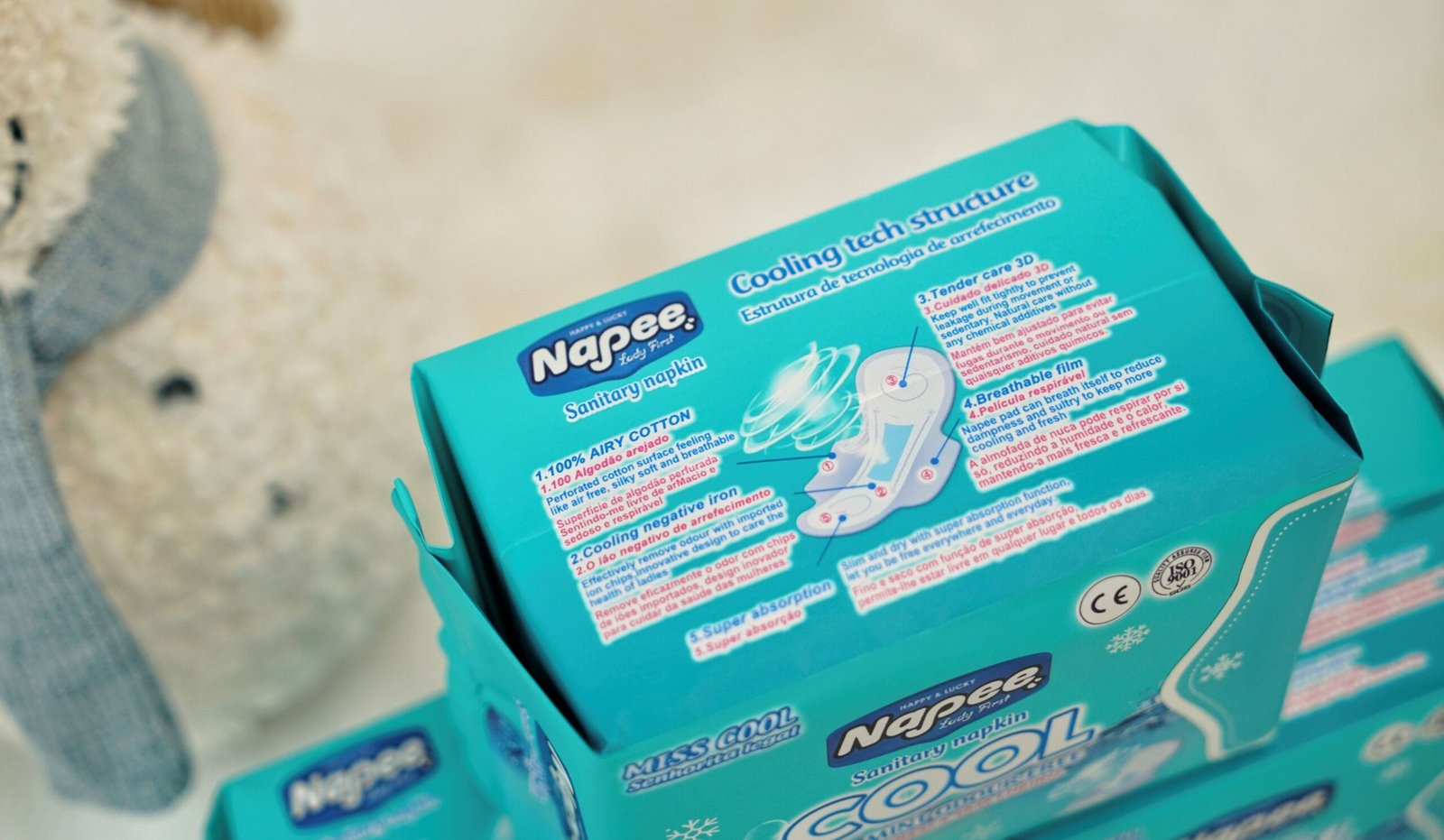
Storage is another overlooked detail. Feminine hygiene products should be kept in a clean, dry place away from moisture. If products are used for hygiene kits, staff or volunteers should pack them with clean hands and keep them sealed until distribution.
It also helps to track what runs out first. This does not need to involve personal information. A simple monthly inventory sheet can show whether regular pads, liners, or overnight pads are being used fastest.
Common Mistakes First-Time Buyers Make
Some first-time buyers focus too much on price and not enough on usefulness. Cheap products are not always a bargain if they are uncomfortable, poorly packaged, or not suitable for the people being served.
Common mistakes include:
- Buying only tampons or only one pad size
- Forgetting to include overnight products
- Ignoring shipping costs
- Waiting until supplies are completely gone before reordering
- Accepting opened or damaged donations for public distribution
- Storing products in damp rooms or crowded closets
- Not asking frontline staff what users actually request
A small amount of planning can prevent most of these problems. The people closest to distribution — school nurses, shelter staff, outreach volunteers, pantry coordinators — usually know which products disappear first.
Conclusion
Buying bulk feminine hygiene products is not just a cost-saving decision. For schools, shelters, and NGOs, it is a way to make daily life a little easier for people who may already be dealing with stress, limited income, housing instability, or lack of privacy.
The best purchasing plan is simple: choose practical products, compare real unit costs, store supplies properly, track usage, and reorder before shelves are empty. When done well, bulk buying supports dignity, comfort, and reliable access — quietly, consistently, and without making people ask for help every time they need a basic hygiene product.
FAQ
Are individually wrapped pads better for schools and shelters?
Usually, yes. Individually wrapped pads are easier to store, cleaner to distribute, and more comfortable for users to take discreetly. They also work better in restroom baskets, hygiene kits, and shelter intake supplies because each item stays protected until use.
How often should an NGO reorder feminine hygiene products?
Most NGOs benefit from monthly or quarterly reordering, depending on distribution volume. A small community pantry may reorder every two or three months, while a busy outreach program may need monthly restocking. Tracking how many products are distributed per event helps make future orders more accurate.
Can donated period products be mixed with wholesale inventory?
They can, but they should be sorted first. Products should be sealed, clean, and in good condition. Many organizations separate donated items from purchased inventory so they can track spending, product quality, and usage more clearly. Damaged, opened, or poorly stored items should not be distributed.