Buying Wholesale Feminine Hygiene Products looks simple on the surface: compare prices, pick a supplier, place an order. But in practice, the differences between products can be surprisingly meaningful. A slightly off texture, weak packaging, or inconsistent absorbency can turn what seemed like a smart bulk purchase into a slow-moving inventory problem.
For retailers, nonprofits, offices, schools, and other bulk buyers, this category deserves a little extra scrutiny. Feminine hygiene items are personal, and customers tend to notice quality faster than they notice branding. So before placing a large order, it helps to check a few things that are easy to miss when the discount is the main focus.
1. Product quality and material safety
This is the first place to look, and honestly, the one most buyers should slow down on. Wholesale pricing can make almost any product look attractive, but the real test is whether it performs well enough to earn repeat trust.
What to review
- Absorbency level
- Softness and comfort
- Breathability
- Fragrance-free or scented formulation
- Hypoallergenic or sensitive-skin claims
- Leakage protection
Even within the same category, products can vary a lot. Pads may feel bulky or thin, liners may be fine for one use case but not another, and wipes can differ in texture and moisture level. That kind of variation is normal, but only if it matches the intended buyer.
For example, if the products will be sold in a retail environment, shoppers may expect a wider range of choices. If they are for workplace or community use, simplicity and dependable comfort often matter more than premium packaging or extra features.
2. Compliance, labeling, and documentation
This part is less visible, but it matters a great deal. Clear labeling helps protect both the seller and the end user, especially when feminine hygiene products are being distributed across different locations or regions.
A good wholesale supplier should be able to provide documentation that supports what is printed on the package. Depending on the product type and market, that may include material details, country of origin, testing claims, and usage instructions. If the listing feels vague or the labeling is incomplete, that is usually worth a second look.
A few things worth confirming:
- Ingredient or material breakdown
- Product dimensions and count per case
- Any certification or testing claims
- Expiration or best-by information, when relevant
- Usage and storage guidance
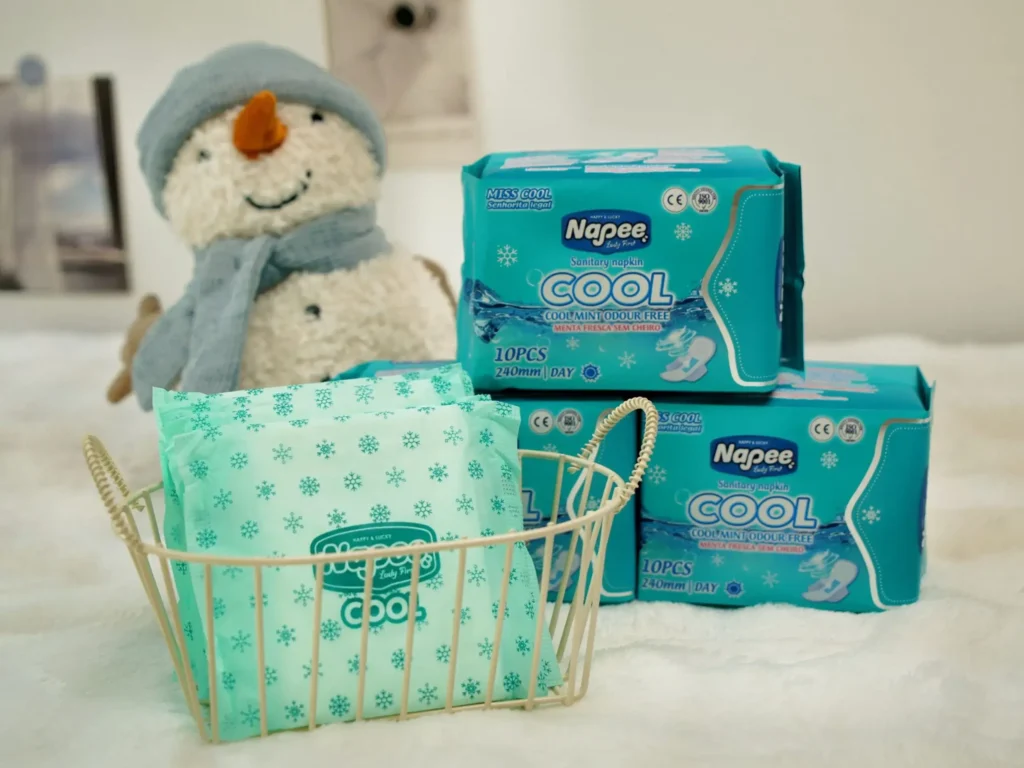
This is also where inconsistent packaging can become a problem. A product may look fine in photos but arrive with unclear text, mismatched cartons, or labeling that feels too generic to inspire confidence. For Wholesale Feminine Hygiene Products, that kind of sloppiness can affect resale value and customer trust.
3. Packaging integrity and shelf life
Bulk buying often fails at the packaging stage, not the product stage. That sounds minor until a shipment arrives with crushed boxes, torn wrappers, or cartons that clearly weren’t sealed well enough for storage.
Here’s a simple comparison of what buyers often check:
| Product factor | Why it matters | Common buyer concern |
|---|---|---|
| Outer carton strength | Protects cases during shipping and storage | Damaged inventory |
| Individual wrapping | Maintains hygiene and presentation | Open or torn items |
| Expiration date | Helps control waste | Short sell-through window |
| Moisture resistance | Important for warehouses and stockrooms | Product degradation |
| Storage instructions | Reduces quality loss over time | Improper handling |
Shelf life is especially important for buyers who stock inventory slowly. A deal can seem excellent on paper, but if the date window is short, the savings may disappear into markdowns or waste. Packaging should also be checked for durability if items will be stored in humid back rooms, transported frequently, or handled by multiple staff members.
4. Supplier reliability and order consistency
There is a quiet frustration many wholesale buyers recognize: the first order is fine, and then the second one arrives slightly different. Maybe the absorbency changes, maybe the box size shifts, maybe delivery takes longer than expected. None of these issues always look serious in isolation, but together they can make a supplier hard to depend on.
Consistency is one of the most valuable things in bulk purchasing. The same spec, the same packing format, and the same lead time help buyers plan with less guesswork. That matters whether the products are going to a storefront, a school restroom, or a nonprofit distribution program.
Good questions to ask before ordering:
- Can the supplier provide samples?
- Are future batches expected to match the same spec?
- What happens if a product goes out of stock?
- Is the lead time stable, or does it vary a lot?
- Are substitutions ever made without approval?
Suppliers that communicate clearly tend to be easier to work with, even if their pricing is not the absolute lowest. That’s often the real tradeoff in wholesale: a slightly higher price can save time, labor, and frustration later.
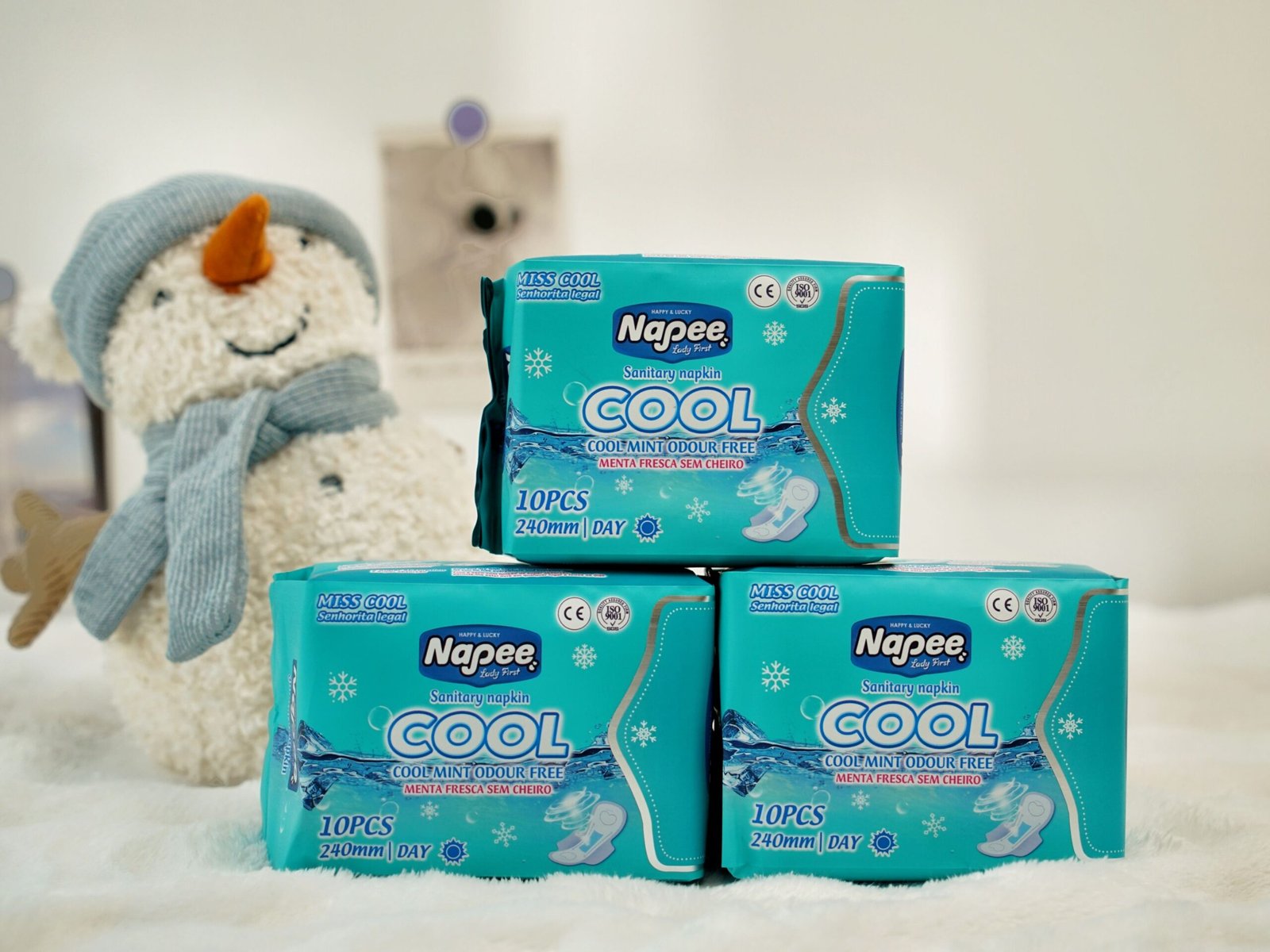
5. Customer fit, price structure, and the true cost
The cheapest order is not always the best one. In fact, once freight, storage, minimum order quantity, and potential waste are added up, the final cost can look very different from the headline unit price.
This is where buyer intent matters. A neighborhood retailer may need recognizable, everyday options. An office or campus may need simple, reliable products in larger packs. A hospitality buyer may care more about discreet packaging and ease of placement. The “right” product depends a lot on where it will be used.
Here are a few cost factors that often get overlooked:
- Shipping and freight charges
- Case pack efficiency
- Minimum order requirements
- Storage space
- Return policies
- Damage allowances
And beyond pricing, there is the customer fit question. A product can be technically acceptable and still not sell well if it does not match the preferences of the people receiving it. In this category, comfort, discretion, and skin sensitivity often carry more weight than flashy packaging.
For buyers browsing Wholesale Feminine Hygiene Products, the best deals usually come from a balance of quality, convenience, and realistic demand—not just the lowest per-unit number.
Final thoughts
Wholesale buying works best when the decision goes beyond price tags. With feminine hygiene products, the most useful checks are fairly practical: product quality, compliance, packaging, supplier reliability, and customer fit. None of these are especially glamorous, but they tend to separate a smooth purchase from one that causes avoidable headaches.
A little extra review before ordering can save a lot later—especially in a category where trust and comfort matter just as much as cost.
If you want to know more about Wholesale Feminine Hygiene Products, please read Where to Buy Bulk Feminine Hygiene Products at Low Cost.
FAQ
What is the biggest risk when buying feminine hygiene items in bulk?
The biggest risk is assuming all products in the category perform the same way. Small differences in materials, packaging, and comfort can affect how quickly the inventory moves.
Are unscented products usually safer for wholesale stocking?
Often, yes. Unscented options tend to appeal to a broader audience and reduce the chance of customer complaints, especially in shared or institutional settings.
How can a buyer reduce the chance of receiving inconsistent orders?
Request samples, confirm product specs in writing, and ask whether the supplier uses the same manufacturing source for repeat orders. Clear communication upfront usually prevents avoidable problems later.