Baby wipes touch a baby’s skin many times a day, so choosing carefully is not just a small detail. For many parents, the safest baby wipes are the ones that feel gentle, clean effectively, and do not leave redness behind after repeated use.
Among everyday baby care products, wipes are probably one of the most frequently used. Still, “natural,” “organic,” or “hypoallergenic” on the front label does not automatically mean a wipe is the best choice. The real answer is usually found in the ingredient list, the texture, and how a baby’s skin responds.
Why Parents Look for the Safest Baby Wipes
Infant skin is delicate and can react more quickly than adult skin to friction, moisture, fragrance, or residue. This matters most in the diaper area, where skin is already exposed to urine, stool, and frequent cleaning.
The American Academy of Pediatrics’ parent resource, often emphasizes gentle diaper-area care when irritation appears. That practical advice matches what many caregivers notice: even a popular wipe may not suit every baby.
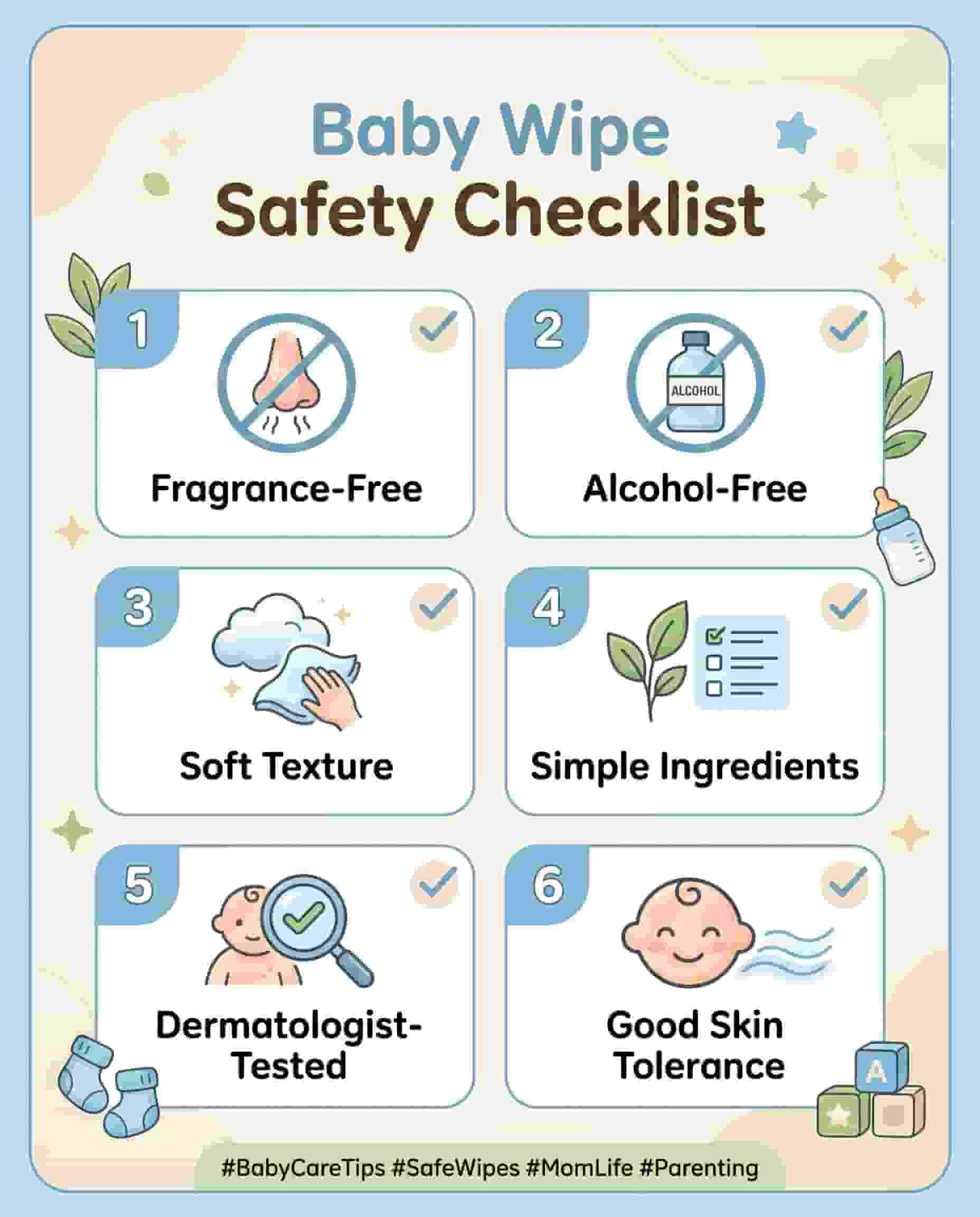
The safest baby wipes are usually not the fanciest ones. They are typically simple, soft, fragrance-free, alcohol-free, and suitable for sensitive skin.
What Makes a Baby Wipe Truly Safe?
A Simple, Transparent Ingredient List
A baby wipe does need more than water. Because it is a wet product stored in a pack, it usually needs mild cleansing ingredients and a preservation system to prevent contamination. But a shorter, clearer ingredient list is often easier to evaluate.
The U.S. FDA notes that cosmetic and personal care product labels can help consumers understand what they are applying to skin. That is a useful reminder: the front of the pack may say “gentle,” but the ingredient list gives the better clues.
When comparing different baby wipes, parents should look at both the formula and the fabric.
Fragrance-Free and Alcohol-Free Formulas
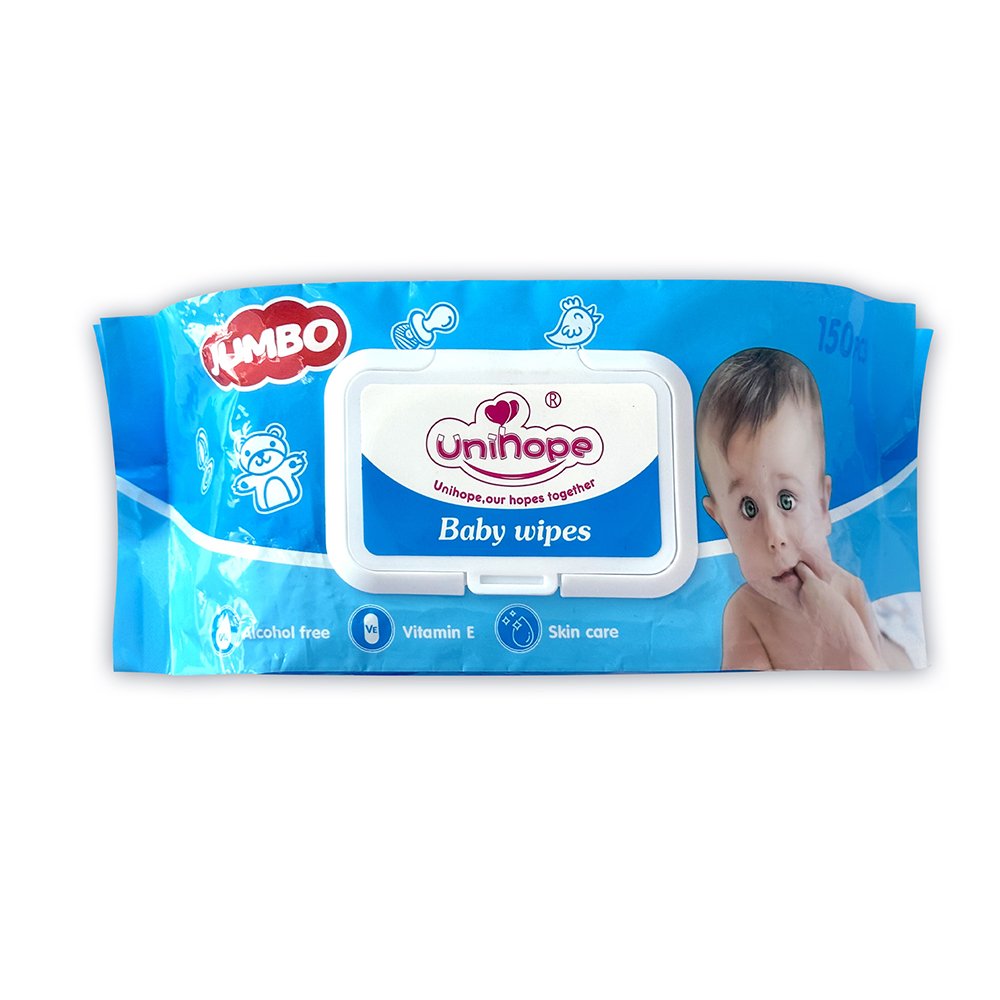
For sensitive babies, fragrance-free is usually a safer direction than scented or “lightly scented.” Fragrance may smell pleasant, but it can be a common trigger for irritation. The [National Eczema Association](https://nationaleczema.org/) also commonly recommends fragrance-free personal care choices for eczema-prone skin.
Alcohol-free formulas are also preferred for frequent diaper changes, since alcohol can feel drying on delicate skin.
Soft Texture and Low Friction
A wipe can have a gentle formula and still feel rough. Texture matters. Soft nonwoven fabric, smooth plant-based fibers, and durable material can reduce rubbing. If a wipe tears easily, caregivers may wipe the same area more than necessary, which can worsen redness.
Ingredients and Claims Parents Should Check
| Label Item | Why It Matters | Safer Direction |
|---|---|---|
| Added fragrance | May irritate sensitive or rash-prone skin | Choose fragrance-free |
| Alcohol | Can dry delicate skin with repeated use | Look for alcohol-free |
| Very long ingredient list | Harder to identify possible triggers | Prefer clear, simple formulas |
| Botanical extracts | Natural ingredients can still irritate some babies | Patch test first |
| “Hypoallergenic” claim | Helpful, but not a guarantee | Confirm with the full label |
| Preservatives | Necessary in wet products, but quality matters | Choose well-tested gentle formulas |
Are Organic or Water-Based Wipes the Safest?
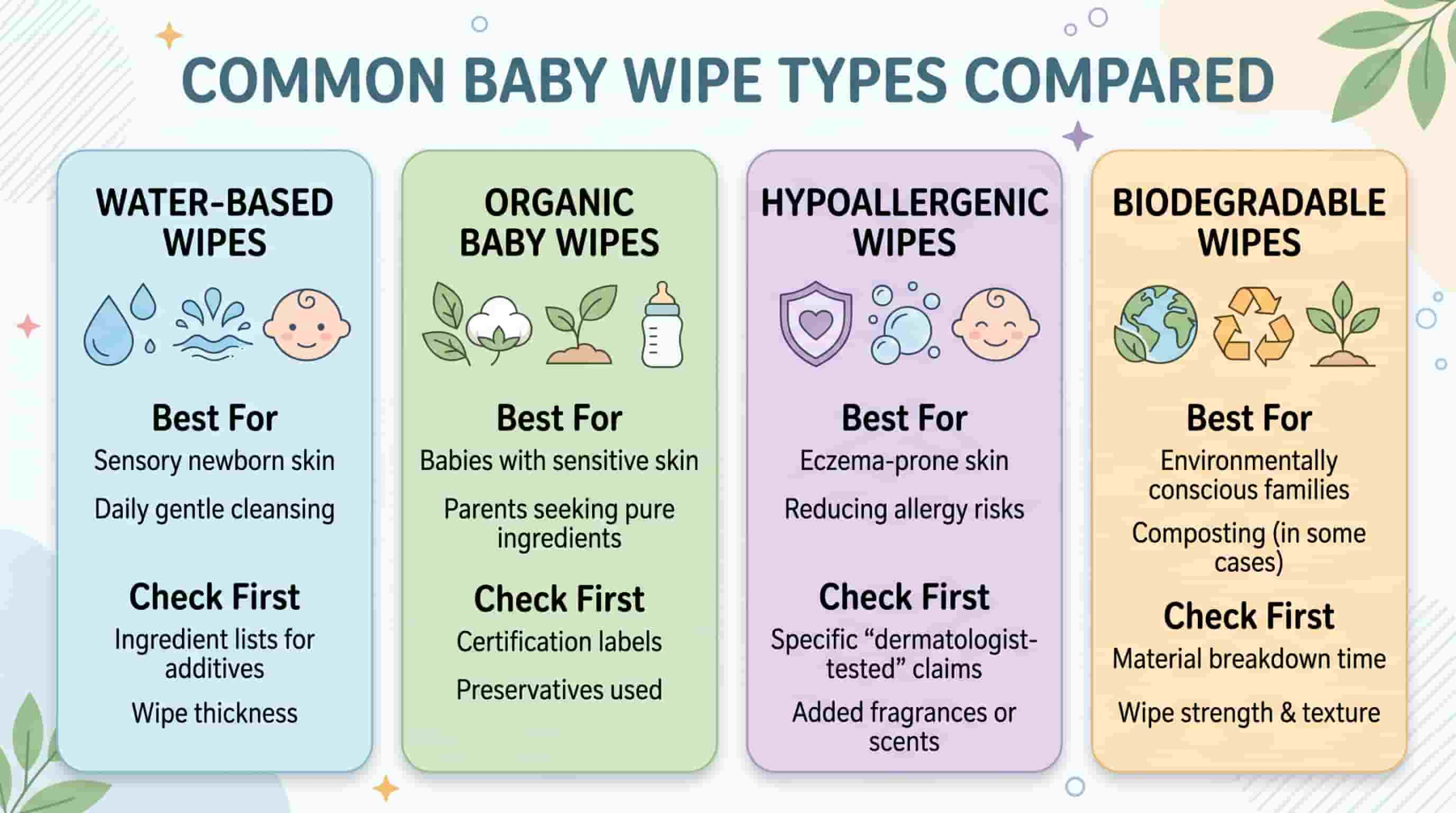
Organic baby wipes and water-based wipes are popular because they sound cleaner and simpler. In many cases, they can be good options. However, “organic” may refer to the fabric, a plant extract, or only part of the formula. It does not always mean the wipe is irritation-proof.
Water-based wipes are often chosen for newborns because they tend to feel minimal. Hypoallergenic wipes can also be useful for babies who have had reactions before. But the safest baby wipes still depend on the full formula, material softness, and real skin tolerance.
| Wipe Type | Good For | What to Watch |
|---|---|---|
| Water-based wipes | Newborns and minimal-ingredient preference | May dry out faster |
| Organic baby wipes | Families preferring plant-derived materials | Botanical ingredients may still irritate |
| Hypoallergenic wipes | Sensitive or rash-prone skin | Check that they are fragrance-free |
| Biodegradable wipes | Eco-conscious households | Not always flushable or irritation-free |
How to Choose the Safest Baby Wipes for Daily Use
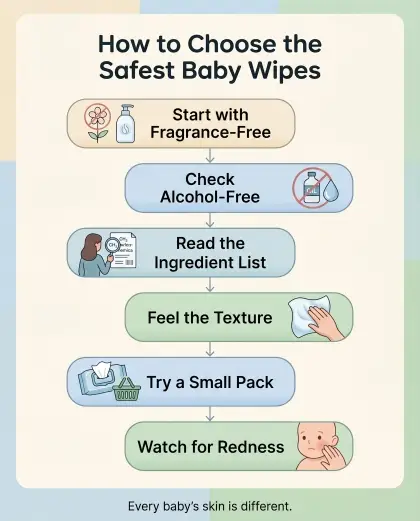
A Practical Buying Checklist
- Choose fragrance-free before scented.
- Look for alcohol-free wording.
- Read the full ingredient list, not only the front label.
- Check whether the wipe feels soft and smooth.
- Try a small pack before buying in bulk.
- Avoid using wipes on broken, bleeding, or infected-looking skin unless advised by a doctor.
- Stop using a wipe if redness appears repeatedly after use.
A daily-use option such as baby wet wipes can be evaluated with the same basic standards: ingredients, softness, moisture level, and skin compatibility.
Usage Tips That Make Baby Wipes Gentler
Even the safest baby wipes can cause discomfort if used too aggressively. A few small habits help:
– Pat or wipe gently instead of scrubbing.
– Let the diaper area dry briefly before closing the diaper.
– Keep the package sealed so wipes do not dry out.
– Use a fresh wipe when moving from a dirty area to a cleaner area.
– During severe rash episodes, plain warm water and a soft cloth may be better until the skin calms down.
Final Thoughts
The safest baby wipes are usually gentle rather than complicated: fragrance-free, alcohol-free, soft, clearly labeled, and suitable for the baby’s skin. No single wipe is perfect for every child, so small-pack testing is a sensible approach before making one wipe part of the daily routine.
FAQ
Are the safest baby wipes always the most expensive?
No. Price does not guarantee skin safety. A modestly priced fragrance-free, alcohol-free, soft wipe may work better than a premium wipe with added scent or irritating extracts.
Can newborns use regular baby wipes?
Some newborns tolerate regular wipes, but many families choose minimal, fragrance-free wipes during the first weeks. Newborn skin is still adjusting, so simpler formulas are usually the safer starting point.
What should parents do if baby wipes cause redness?
Stop using that wipe and clean the area with plain water for a short period. If redness spreads, blisters, looks painful, or does not improve, a pediatrician should check for rash, yeast, allergy, or infection.