Let’s be honest — walking down the baby aisle can feel a bit overwhelming. Shelves are stacked with soft pastel packages, all promising to be gentle, pure, and natural. But for a parent trying to avoid unnecessary chemicals, the word “natural” on a label doesn’t really mean a whole lot. It’s often the organic baby wipes that actually deliver a cleaner ingredient list — and finding them in the right places makes all the difference.
This guide isn’t about pushing one single brand. Instead, it walks through where to buy wipes you can genuinely feel good about, whether you prefer tapping on a screen or pushing a shopping cart.
What Even Counts as “Organic” When It Comes to Baby Wipes?
Before mapping out stores and websites, it helps to know what the term actually means in the wet wipe world. A true organic baby wipe usually relies on plant‑based fibers — think bamboo or organic cotton — and avoids ingredients like alcohol, synthetic fragrances, parabens, and phthalates.
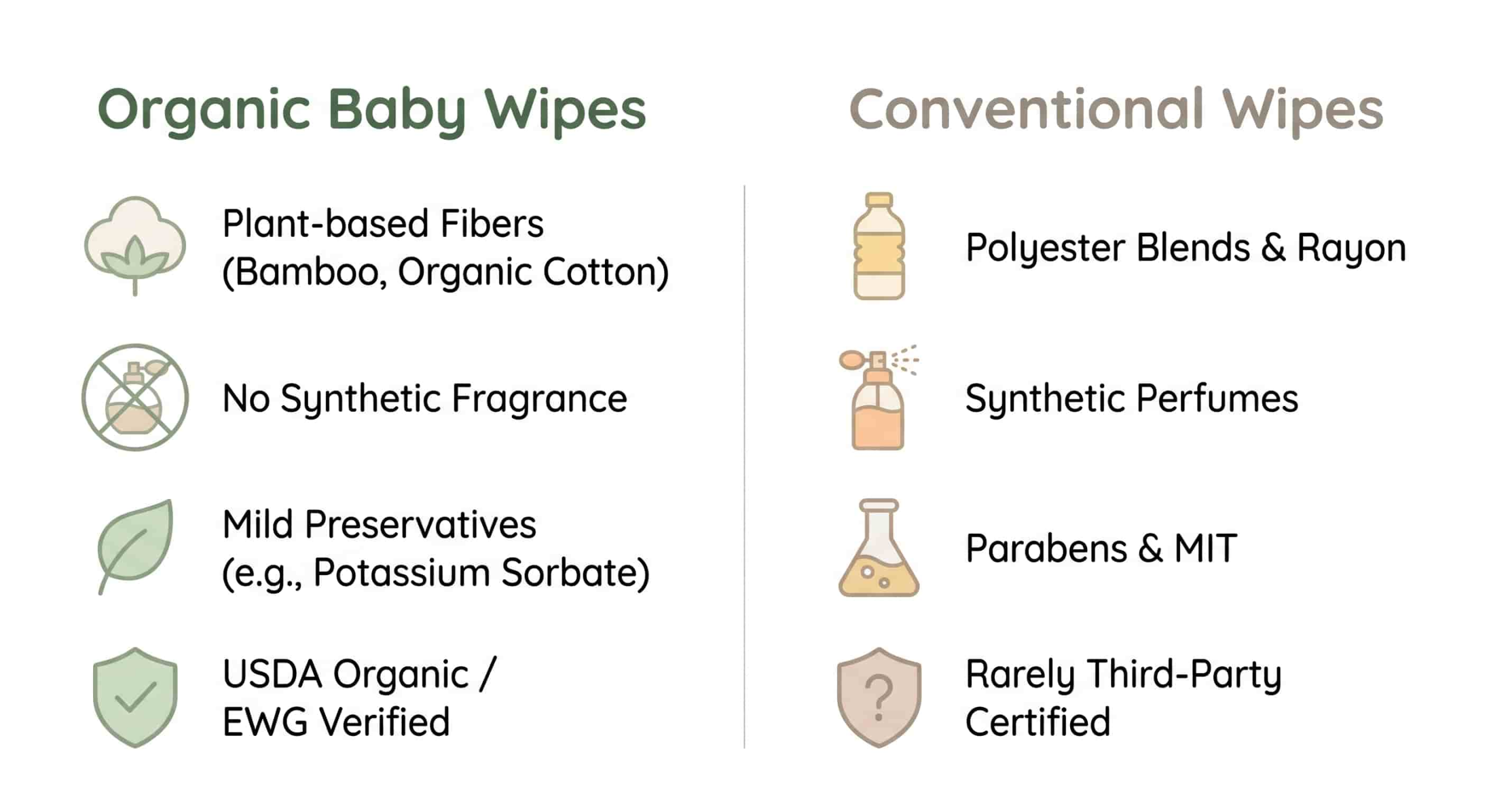
Here’s a quick side‑by‑side look at what often separates organic options from conventional ones:
| Component | Organic Baby Wipes | Conventional Wipes |
|---|---|---|
| Fiber material | Organic cotton, bamboo, or wood pulp | Polyester blends, rayon |
| Fragrance | Usually fragrance‑free or essential‑oil based | Synthetic perfumes |
| Preservatives | Mild, food‑grade options (e.g., potassium sorbate) | Parabens, MIT, formaldehyde releasers |
| Certifications | May carry USDA Organic, EWG Verified, or ECOCERT | Rarely carry third‑party eco‑certs |
It’s not about perfection — even some wipes labeled “organic” may only have organic aloe or chamomile added to an otherwise conventional base sheet. Reading the fine print matters more than the front sticker.
Where to Find Genuinely Good Organic Baby Wipes
Online Stores That Save You Time
If convenience is king, online shopping is the throne. Large marketplaces and direct‑to‑consumer brands offer the widest selection of chemical‑free wipes — often with filters that let you sort by ingredient preferences. On platforms like Amazon or dedicated baby gear sites, browsing through baby care products is a practical shortcut: select “hypoallergenic” or “plant‑based,” and the noise fades considerably.
Subscription services deserve a mention, too. Wipes run out quickly, and having a box show up at the door every few weeks can remove one tiny decision from an already loaded day. Some smaller DTC brands also publish full ingredient glossaries and third‑party test results — transparency that’s hard to find on a physical box.
In‑Store Shopping You Can Trust
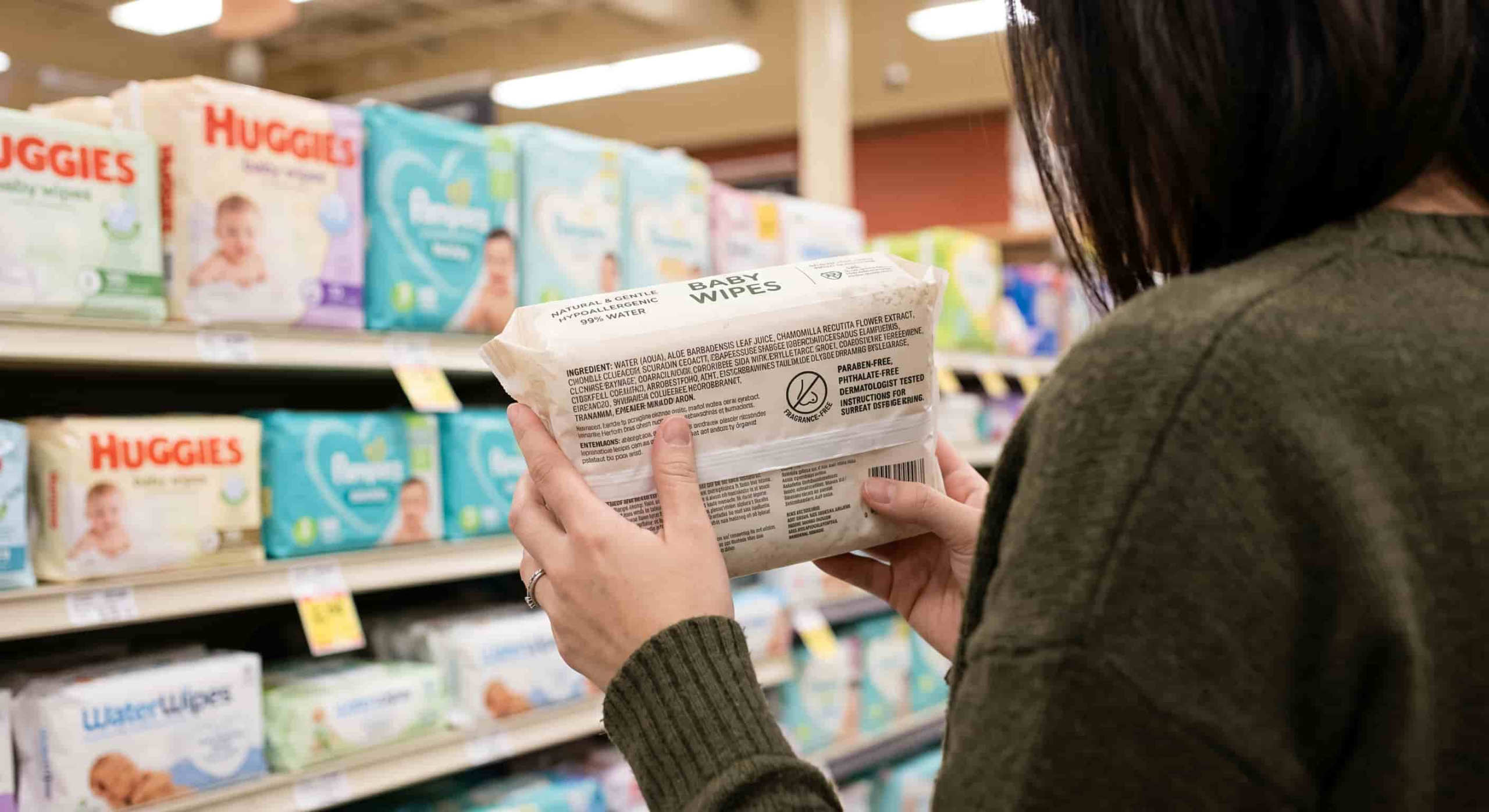
Nothing replaces the ability to flip over a package and scan the ingredient label with your own eyes. Brick‑and‑mortar spots like CVS, Target, and Walmart have expanded their wellness aisles over the last few years, and the baby wipes shelves now include genuinely clean picks at different price points.
A somewhat underrated tip is checking discount or bulk retailers. Some chains have quietly introduced private‑label organic options that, ingredient‑wise, stand toe‑to‑toe with premium brands — just without the premium markup. While there, it’s wise to compare back labels rather than trust the words on the front; a pack screaming “botanical” can still contain isothiazolinone preservatives that don’t agree with sensitive skin.
Direct from Specialty Manufacturers
Going direct to consumers, some smaller makers skip the middleman and keep ingredient lists refreshingly short. You can find baby wet wipes without alcohol or parabens at a fair price — often in larger packs with cleaner certifications. It’s a practical path where safety and budget don’t have to compete.
How to find these manufacturers
Search with terms like “direct from factory baby wet wipes” and look for sites that show real production details, third-party certifications and bulk-size options. Before ordering, a quick check of the company’s registration or production address helps confirm you’re buying from a true maker, not just another reseller.
How to Spot a High‑Quality Organic Wipe Without Relying on Labels
With the phrase “organic” being stretched thin across the industry, a quick checklist can be way more reliable than a brand’s reputation. The Environmental Working Group has long pointed out that many conventional wipes contain ingredients linked to skin irritation, even when marketing suggests otherwise.
Here’s a table that turns those insights into a simple verification tool:
| What to Check | Why It Matters |
|---|---|
| USDA Certified Organic seal | Guarantees a minimum percentage of organic raw materials in the cloth or lotion |
| EWG Verified or Skin Deep® score of 1‑2 | Confirms low hazard for health concerns |
| Fragrance‑free, not just “unscented” | “Unscented” can still contain masking fragrances |
| Water‑based formula | Reduces reliance on synthetic solvents |
| Biodegradability claim with specifics | Look for a stated breakdown time or compostable fiber type |
Spending 30 seconds with a free database like EWG’s Skin Deep while standing in the aisle — or with the browser tab open while shopping online — can quietly become one of the most useful habits a parent picks up.
FAQ
Are organic baby wipes biodegradable?
Not automatically — this depends on the fiber used. Wipes made from 100% bamboo or organic cotton are more likely to break down under proper composting conditions, but those containing polyester or plastic resins won’t. The American Academy of Pediatrics mentions that many wipes labeled “flushable” or “biodegradable” still contribute to clogging issues, so it’s important to check if the product carries a specific composting certification rather than a vague claim.
Can I use organic wipes on my newborn’s face and hands?
Yes, in most cases, provided the wipe is water‑based and free of essential oils that may be too intense for newborn skin. For cleaning drool, spit‑up, or first bites of solids around the mouth, an organic wipe with minimal ingredients is often gentler than repeatedly using a dry cloth that might chafe delicate cheeks. Still, letting the skin air‑dry fully before putting on a bib or onesie helps prevent moisture‑related irritation — a tip echoed by pediatric dermatologists when discussing wipe use beyond the diaper area.
Do organic wipes actually prevent diaper rash better than regular wipes?
They’re not a magic shield, but removing common irritants does shift the odds in a baby’s favor. According to HealthyChildren.org from the American Academy of Pediatrics, diaper rash often results from prolonged contact with moisture and irritants — and wipes containing alcohol or synthetic fragrances can weaken the skin barrier over time. Organic wipes that are pH‑balanced and fragrance‑free simply remove one layer of potential triggers, leaving barrier creams and frequent diaper changes to do the heavier preventive work.